'The vanadium redox battery (VRB), also known as the vanadium flow battery (VFB) or vanadium redox flow battery (VRFB), is a type of rechargeable flow battery which employs vanadium ions as charge carriers.[5] The battery uses vanadium’s ability to exist in a solution in four different oxidation states to make a battery with a single electroactive element instead of two.[6]
For several reasons, including their relative bulkiness, vanadium batteries are typically used for grid energy storage, i.e., attached to power plants/electrical grids.[7] ’
I don’t think I understand any better what the battery is then I did before. As per usual Wikipedia sucks at explaining concepts that you don’t actually already understand.
A normal battery is a sealed cell. It has a positive and negative electrode, with an electrolyte between them. Usually many layers of this. When you charge it, a chemical change happens. When you discharge it, that chemical change is undone.
A redox flow battery uses fixed electrodes, but a liquid electrolyte that can be pumped and stored. This means you can increase overall storage capacity simply by adding more electrolyte tanks, without needing more electrodes. Think of it like a generator with a bigger gas tank.
The whole vanadium thing is just one of the metals used in the battery. There’s a few kind of redox flow batteries using different chemistries
Also there are hundreds of chemical combinations that produce electricity that we know about, and only a handful have been worked on for batteries. As reported in Harper’s Magazine many years back, that is not indexed to enshitified search engines, because fuck you (us, google, et al talking.)
The downside is that does batteries are not be energy dense. Perfect for grid storage but useless for car batteries (where the bulk of battery R&D money goes).
Yes exactly. If you need more total capacity you add more tanks, if you need more instantaneous output power you add more electrodes. And thus you can scale either one without messing with the other.
Yeah wikipedia is hit or miss, especially as technical people like to show off their fancy words and explain things in ways only technical people understand.
But it’s Vanadium, and you can look that up elsewhere. The first large industrial vanadium battery (if I recall,) was some years back, I think in WA State.
Yeah I think people who enjoy math and formulas and proofs also enjoy writing Wikipedia articles in the same way. I usually go to the Simple English Wikipedia for any math topics. And I got as far as calc 2 in college, so I’m no ignoramus.


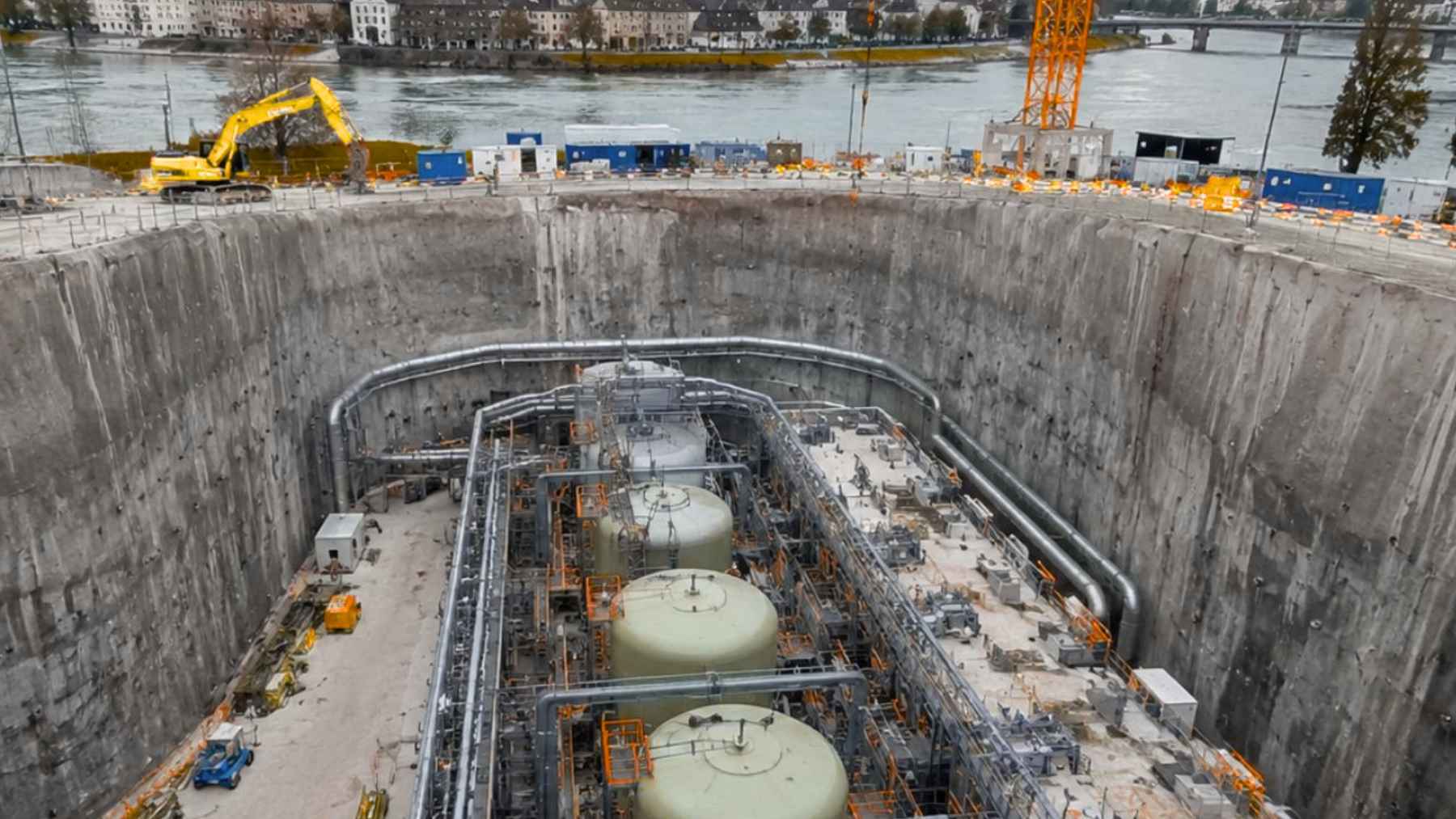
The article doesn’t explain the battery, making it a bullshit site if you ask me, here is what they are talking about:
https://en.wikipedia.org/wiki/Vanadium_redox_battery
'The vanadium redox battery (VRB), also known as the vanadium flow battery (VFB) or vanadium redox flow battery (VRFB), is a type of rechargeable flow battery which employs vanadium ions as charge carriers.[5] The battery uses vanadium’s ability to exist in a solution in four different oxidation states to make a battery with a single electroactive element instead of two.[6]
For several reasons, including their relative bulkiness, vanadium batteries are typically used for grid energy storage, i.e., attached to power plants/electrical grids.[7] ’
I don’t think I understand any better what the battery is then I did before. As per usual Wikipedia sucks at explaining concepts that you don’t actually already understand.
Here’s the short version.
A normal battery is a sealed cell. It has a positive and negative electrode, with an electrolyte between them. Usually many layers of this. When you charge it, a chemical change happens. When you discharge it, that chemical change is undone.
A redox flow battery uses fixed electrodes, but a liquid electrolyte that can be pumped and stored. This means you can increase overall storage capacity simply by adding more electrolyte tanks, without needing more electrodes. Think of it like a generator with a bigger gas tank.
The whole vanadium thing is just one of the metals used in the battery. There’s a few kind of redox flow batteries using different chemistries
Also there are hundreds of chemical combinations that produce electricity that we know about, and only a handful have been worked on for batteries. As reported in Harper’s Magazine many years back, that is not indexed to enshitified search engines, because fuck you (us, google, et al talking.)
Thank you! That is a smart solution to inrease capacity!
The downside is that does batteries are not be energy dense. Perfect for grid storage but useless for car batteries (where the bulk of battery R&D money goes).
Fry: I get it! So if the simplified bucket explanation gets full, you just add more buckets!
Yes exactly. If you need more total capacity you add more tanks, if you need more instantaneous output power you add more electrodes. And thus you can scale either one without messing with the other.
Yeah wikipedia is hit or miss, especially as technical people like to show off their fancy words and explain things in ways only technical people understand.
But it’s Vanadium, and you can look that up elsewhere. The first large industrial vanadium battery (if I recall,) was some years back, I think in WA State.
If I really want to feel stupid, I go to the Wikipedia article for some simple maths concept I thought I understood
oh yeah, i read up yesterday what a polynomial is. hah.
Yeah I think people who enjoy math and formulas and proofs also enjoy writing Wikipedia articles in the same way. I usually go to the Simple English Wikipedia for any math topics. And I got as far as calc 2 in college, so I’m no ignoramus.
There is Wikipedia in Simple English, but they don’t cover all topics.
source: wikipedia (link above)
but it’s true, i have encountered exactly this phenomenon many times :/
If I heard this on a different situation I would have thought this is an AI hallucination.