A normal battery is a sealed cell. It has a positive and negative electrode, with an electrolyte between them. Usually many layers of this. When you charge it, a chemical change happens. When you discharge it, that chemical change is undone.
A redox flow battery uses fixed electrodes, but a liquid electrolyte that can be pumped and stored. This means you can increase overall storage capacity simply by adding more electrolyte tanks, without needing more electrodes. Think of it like a generator with a bigger gas tank.
The whole vanadium thing is just one of the metals used in the battery. There’s a few kind of redox flow batteries using different chemistries
Also there are hundreds of chemical combinations that produce electricity that we know about, and only a handful have been worked on for batteries. As reported in Harper’s Magazine many years back, that is not indexed to enshitified search engines, because fuck you (us, google, et al talking.)
The downside is that does batteries are not be energy dense. Perfect for grid storage but useless for car batteries (where the bulk of battery R&D money goes).
Yes exactly. If you need more total capacity you add more tanks, if you need more instantaneous output power you add more electrodes. And thus you can scale either one without messing with the other.


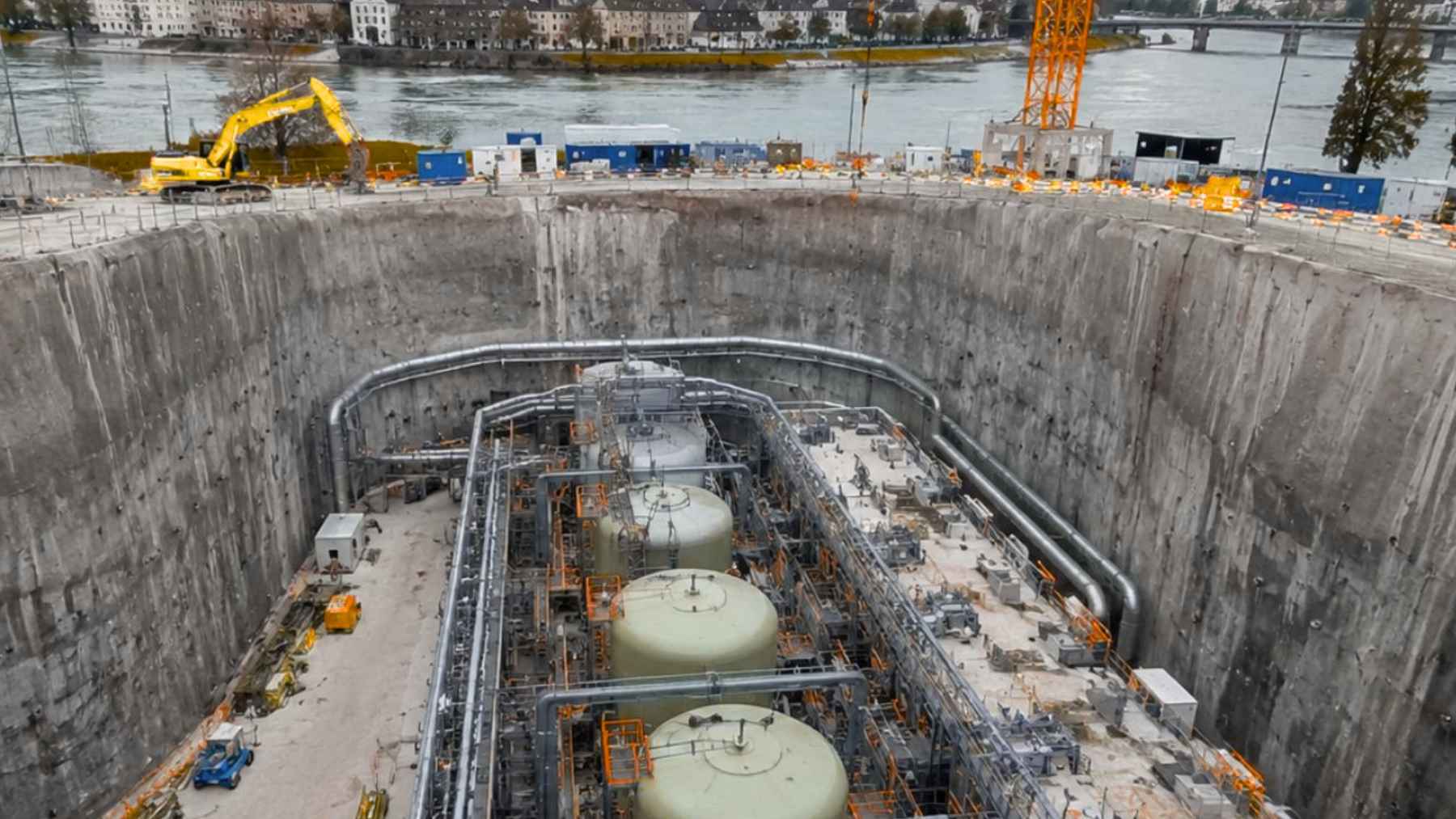
Here’s the short version.
A normal battery is a sealed cell. It has a positive and negative electrode, with an electrolyte between them. Usually many layers of this. When you charge it, a chemical change happens. When you discharge it, that chemical change is undone.
A redox flow battery uses fixed electrodes, but a liquid electrolyte that can be pumped and stored. This means you can increase overall storage capacity simply by adding more electrolyte tanks, without needing more electrodes. Think of it like a generator with a bigger gas tank.
The whole vanadium thing is just one of the metals used in the battery. There’s a few kind of redox flow batteries using different chemistries
Also there are hundreds of chemical combinations that produce electricity that we know about, and only a handful have been worked on for batteries. As reported in Harper’s Magazine many years back, that is not indexed to enshitified search engines, because fuck you (us, google, et al talking.)
Thank you! That is a smart solution to inrease capacity!
The downside is that does batteries are not be energy dense. Perfect for grid storage but useless for car batteries (where the bulk of battery R&D money goes).
Fry: I get it! So if the simplified bucket explanation gets full, you just add more buckets!
Yes exactly. If you need more total capacity you add more tanks, if you need more instantaneous output power you add more electrodes. And thus you can scale either one without messing with the other.