Sjmarf@sh.itjust.works to Lemmy Shitpost@lemmy.world · 2 years agoStat of the daysh.itjust.worksimagemessage-square53fedilinkarrow-up1728arrow-down16
arrow-up1722arrow-down1imageStat of the daysh.itjust.worksSjmarf@sh.itjust.works to Lemmy Shitpost@lemmy.world · 2 years agomessage-square53fedilink
minus-squarefaltryka@lemmy.worldlinkfedilinkarrow-up62·2 years agoThis is a common mistake for many native English speakers and highlights the different challenges in speaking a language and writing a language. In many regions of the US for example, “than” and “then” are often pronounced exactly the same.
minus-squareazertyfun@sh.itjust.workslinkfedilinkarrow-up15arrow-down1·2 years agoThən məybe Englәsh shəld əwn əp to its dəsrəspəct fər vəwəls.
minus-squarecaptainlezbian@lemmy.worldlinkfedilinkarrow-up7·2 years agoIf we’re doing that we should probably just go full runic
minus-squaretostiman@sh.itjust.workslinkfedilinkarrow-up2·2 years agoTIL there is a difference in pronounciation between those two. I’m not even American!
minus-squarefaltryka@lemmy.worldlinkfedilinkarrow-up6·2 years agoThere are many different accents across the US. Some of them very much pronounce the word “than” like others pronounce the word “then”.
minus-squareCaptain Aggravated@sh.itjust.workslinkfedilinkEnglisharrow-up4·2 years agodepends on the accent.
minus-squarecaptainlezbian@lemmy.worldlinkfedilinkarrow-up1·2 years agoAn vs ehn though both are usually ən
minus-squareManzas@lemdro.idlinkfedilinkEnglisharrow-up1·2 years agoOther languages even have similar things like “jei”, “jai” first one means if, the other one is for her
minus-squareDragon Rider (drag)@lemmy.nzlinkfedilinkEnglisharrow-up6arrow-down25·2 years agoMaybe Americans should quit teaching their children dialects that damage their ability to spell.
minus-squareerusuoyera@sh.itjust.workslinkfedilinkarrow-up37·2 years agoYou from New Zealand? Look in the mirror and say “can’t”.
minus-squareAngryCommieKender@lemmy.worldlinkfedilinkarrow-up5·edit-22 years agoIsn’t that a term of endearment over there though? I would have suggested the word “deck”
minus-squareWhiskyTangoFoxtrot@lemmy.worldlinkfedilinkarrow-up3·2 years agohttps://www.youtube.com/watch?v=-m--3_c5pAs
minus-squarefaltryka@lemmy.worldlinkfedilinkarrow-up15arrow-down1·2 years agoThat’s not really how language… or humans… or culture… work.


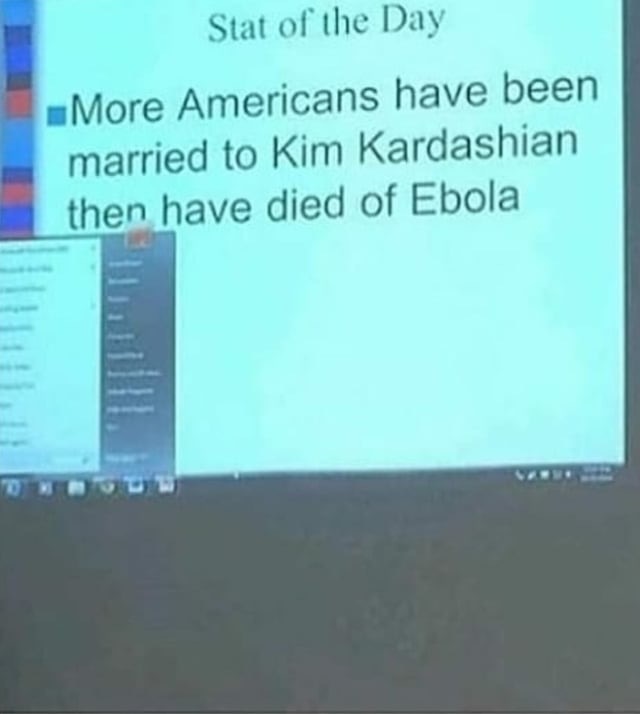
This is a common mistake for many native English speakers and highlights the different challenges in speaking a language and writing a language.
In many regions of the US for example, “than” and “then” are often pronounced exactly the same.
Thən məybe Englәsh shəld əwn əp to its dəsrəspəct fər vəwəls.
If we’re doing that we should probably just go full runic
әәәәәәә, nә?
That’s a lot of schwas!
TIL there is a difference in pronounciation between those two. I’m not even American!
There are many different accents across the US.
Some of them very much pronounce the word “than” like others pronounce the word “then”.
depends on the accent.
An vs ehn though both are usually ən
Other languages even have similar things like “jei”, “jai” first one means if, the other one is for her
Maybe Americans should quit teaching their children dialects that damage their ability to spell.
You from New Zealand? Look in the mirror and say “can’t”.
Isn’t that a term of endearment over there though? I would have suggested the word “deck”
https://www.youtube.com/watch?v=-m--3_c5pAs
Or “huge deck”
That’s not really how language… or humans… or culture… work.