Because producing chips requires a complicated supply chain.
Taiwan. China wants to own it for the same reason they can’t just bomb it to smithereens. Producing chips requires human hardware engineers, possibly thousands depending on the complexity. Each engineer specializes in specific tasks and processes.
The human talent element is the most fragile and least replicable piece of the supply chain.
Taiwan is close enough to China to take advantage of cheap factory labour for anything that doesn’t require engineering skills.
The geography of Taiwan & China is the backbone of the supply chain.
Extreme Ultraviolet (EUV) lithography systems. ASML from the Netherlands owns the proprietary design for the massive and complex machines that print microchip transistors onto silicon. US/Netherlands have restricted the sale of the most advanced systems to China.
The machines that allow for microchip production are all owned by one company
In retaliation to the above China has restricted Rare Earth Metal exports to western manufacturers.
They totally could, but it would take years and a looooot of money to be entirely vertically integrated. I bet at least some groups are considering getting into chip making, but it will be a long time before we see any new players.
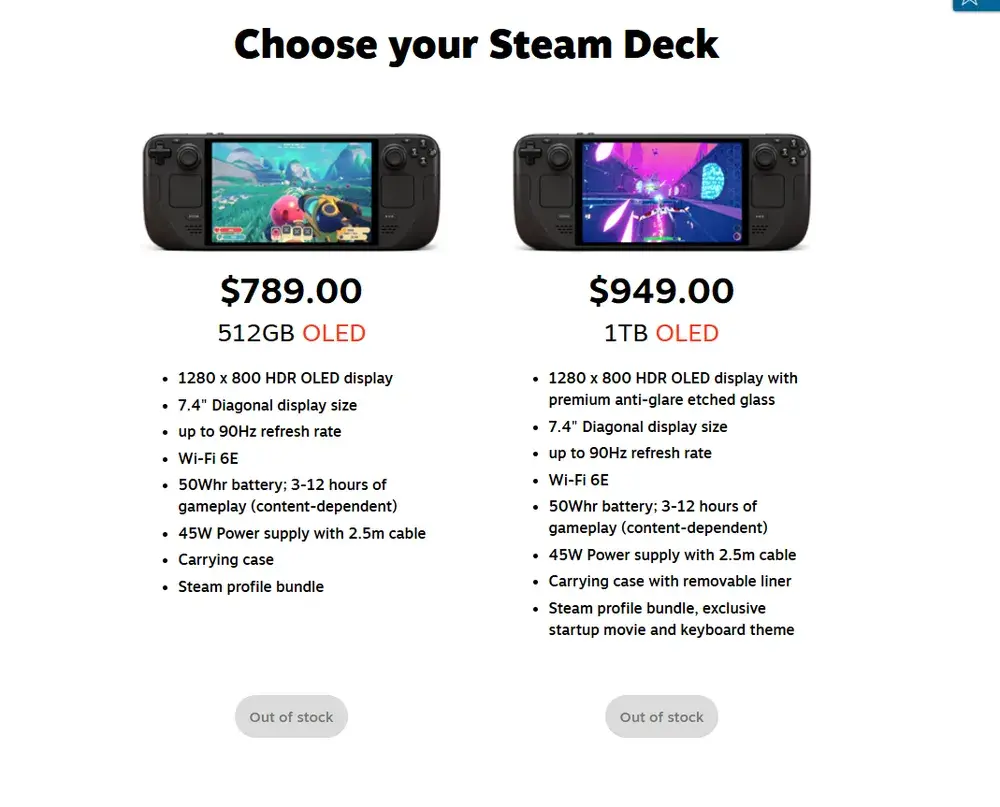
They are, but they’re not beloved for it. The companies still selling to consumers now have less competition for fewer available parts, which is why prices are higher.


eli5 why can’t someone make their own hardware, sell only to humans, and become instantly beloved and rich
Because producing chips requires a complicated supply chain.
The human talent element is the most fragile and least replicable piece of the supply chain.
The geography of Taiwan & China is the backbone of the supply chain.
The machines that allow for microchip production are all owned by one company
Video Game components are now military assets
They totally could, but it would take years and a looooot of money to be entirely vertically integrated. I bet at least some groups are considering getting into chip making, but it will be a long time before we see any new players.
They are, but they’re not beloved for it. The companies still selling to consumers now have less competition for fewer available parts, which is why prices are higher.