Indeed: electric vehicle batteries are lasting even longer than estimated. All the constant breaks from use that the batteries get has been interestingly improving their durability (which makes me think that shutting off our phones for 1 whole day per week or even month could improve their lifespan, even for the 40-80% lithium-ion boundary keepers).
There actually was a Chinese EV startup that had battery swap stations: drive up onto the system, and the battery is directly under your car; the swap takes <1 minute. I don’t remember what it was called, though, nor if it ever made it.
Tom Scott did a video on it. In all honesty, there are a number of things about this system that I just don’t see working well in the long term, but it’s an interesting prototype nonetheless.
Tesla did that as well about 10 years ago. They opted to not do it anymore if I recall correctly because they couldn’t control how the batteries were being maintained or what age of battery you would get.
When was hot-swapping batteries normal? What was the backup power source? I’d only ever seen normally swappable batteries where the phone would need to power off and back on.
I’ve never owned a flip phone that I couldn’t plug in and swap the battery with a new one without it turning off. If that wasn’t normal with your phones I’m not sure why, maybe different circuitry?
Regardless making devices easy to repair, and thus open and maintainable was what I was getting at.
Just make hot swapping batteries normal again like it used to be.
In your ideal scenario would you own multiple batteries and keep them at your house, or are you looking for a subscription service where you would just buy the car (batteryless?) and then go to a rental station to have one put in, swapping batteries when they need a charge?
Breaks from use makes perfect sense though, it allows the electrolyte to diffuse evenly. During charge /discharge cycles there’s always more or less active electrolyte being consumed/produced at the anodes and cathodes, resting means it can equalize.
I mostly just applying my undergrad chemistry classes here to make an educated guess, nothing official…
Reactions are limited by the quantity of reagents and the mixing rate. As reagents are consumed (or produced), fresh reagent must move towards (or away) from the active anode and cathode for the reaction to continue.
In flooded liquid electrolyte batteries (like lead acid), mixing is very high and it’s surface area that affects charge/discharge performance. In absorbed mat chemistries like most modern lithium ions, surface area is very high but electrolyte is “trapped” next to its immediate cathode/anode and cannot easily migrate throughout the matrix.
In lead acids this sort of diffusion is extremely fast. In packed lithium ions it is definitely slower. When diffusion is too slow, the lithium ions will form dendrites (little spikes) where a gradient of ions exist because they are being deposited onto the electrode faster than the electrolyte can move ions. Thats usually what kills batteries over time and why ultra fast charge/discharge cycles are terrible for them.


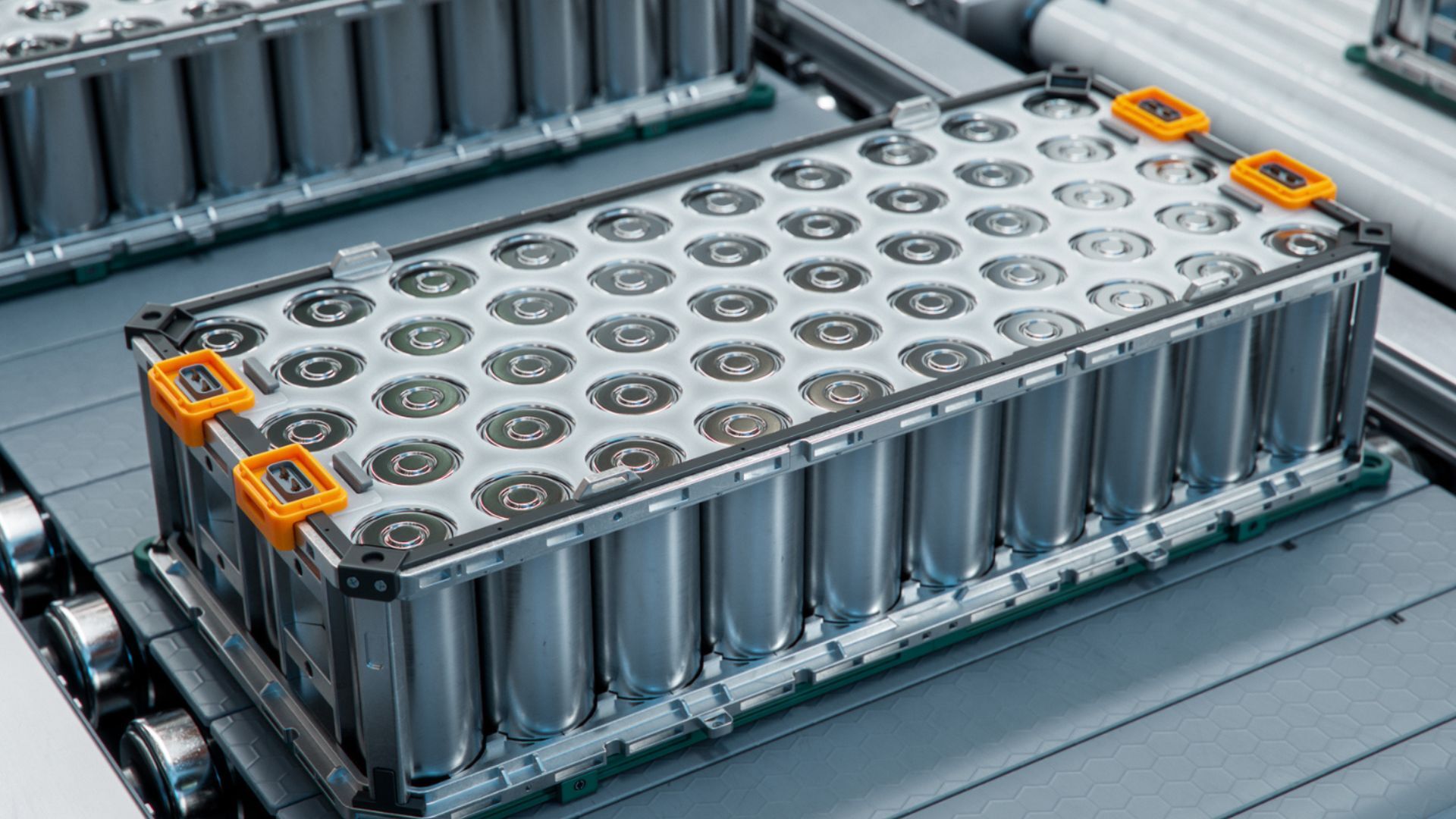
Indeed: electric vehicle batteries are lasting even longer than estimated. All the constant breaks from use that the batteries get has been interestingly improving their durability (which makes me think that shutting off our phones for 1 whole day per week or even month could improve their lifespan, even for the 40-80% lithium-ion boundary keepers).
Just make hot swapping batteries normal again like it used to be.
There actually was a Chinese EV startup that had battery swap stations: drive up onto the system, and the battery is directly under your car; the swap takes <1 minute. I don’t remember what it was called, though, nor if it ever made it.
Update: it’s Nio.
Tom Scott did a video on it. In all honesty, there are a number of things about this system that I just don’t see working well in the long term, but it’s an interesting prototype nonetheless.
https://youtu.be/hNZy603as5w
That’s it: Nio! Yeah, I dislike the reliability on the company, too.
Tesla did that as well about 10 years ago. They opted to not do it anymore if I recall correctly because they couldn’t control how the batteries were being maintained or what age of battery you would get.
Isn’t that Nio?
Edit: didn’t see it had been answered already
There was one like that in Taiwan for scooters.
When was hot-swapping batteries normal? What was the backup power source? I’d only ever seen normally swappable batteries where the phone would need to power off and back on.
I’ve never owned a flip phone that I couldn’t plug in and swap the battery with a new one without it turning off. If that wasn’t normal with your phones I’m not sure why, maybe different circuitry?
Regardless making devices easy to repair, and thus open and maintainable was what I was getting at.
Somehow, I forgot about charging cables.
Somehow, charging cables returned
…in POG form!
Gogoro a moped/scooter company in Taiwan has these. Little stations all over the country where you can swap your battery out, it was pretty amazing.
In your ideal scenario would you own multiple batteries and keep them at your house, or are you looking for a subscription service where you would just buy the car (batteryless?) and then go to a rental station to have one put in, swapping batteries when they need a charge?
Breaks from use makes perfect sense though, it allows the electrolyte to diffuse evenly. During charge /discharge cycles there’s always more or less active electrolyte being consumed/produced at the anodes and cathodes, resting means it can equalize.
Fascinating, I didn’t know that that’s the reason… Would you happen to have any data on how long this diffusion process takes?
I mostly just applying my undergrad chemistry classes here to make an educated guess, nothing official…
Reactions are limited by the quantity of reagents and the mixing rate. As reagents are consumed (or produced), fresh reagent must move towards (or away) from the active anode and cathode for the reaction to continue.
In flooded liquid electrolyte batteries (like lead acid), mixing is very high and it’s surface area that affects charge/discharge performance. In absorbed mat chemistries like most modern lithium ions, surface area is very high but electrolyte is “trapped” next to its immediate cathode/anode and cannot easily migrate throughout the matrix.
In lead acids this sort of diffusion is extremely fast. In packed lithium ions it is definitely slower. When diffusion is too slow, the lithium ions will form dendrites (little spikes) where a gradient of ions exist because they are being deposited onto the electrode faster than the electrolyte can move ions. Thats usually what kills batteries over time and why ultra fast charge/discharge cycles are terrible for them.
Dang, your education paid off! I recently disabled fast-charging on my phone (ironically before reading any of this), so am I doing good, dad?
Haha yeah, that’s a good way to keep batteries more healthy.