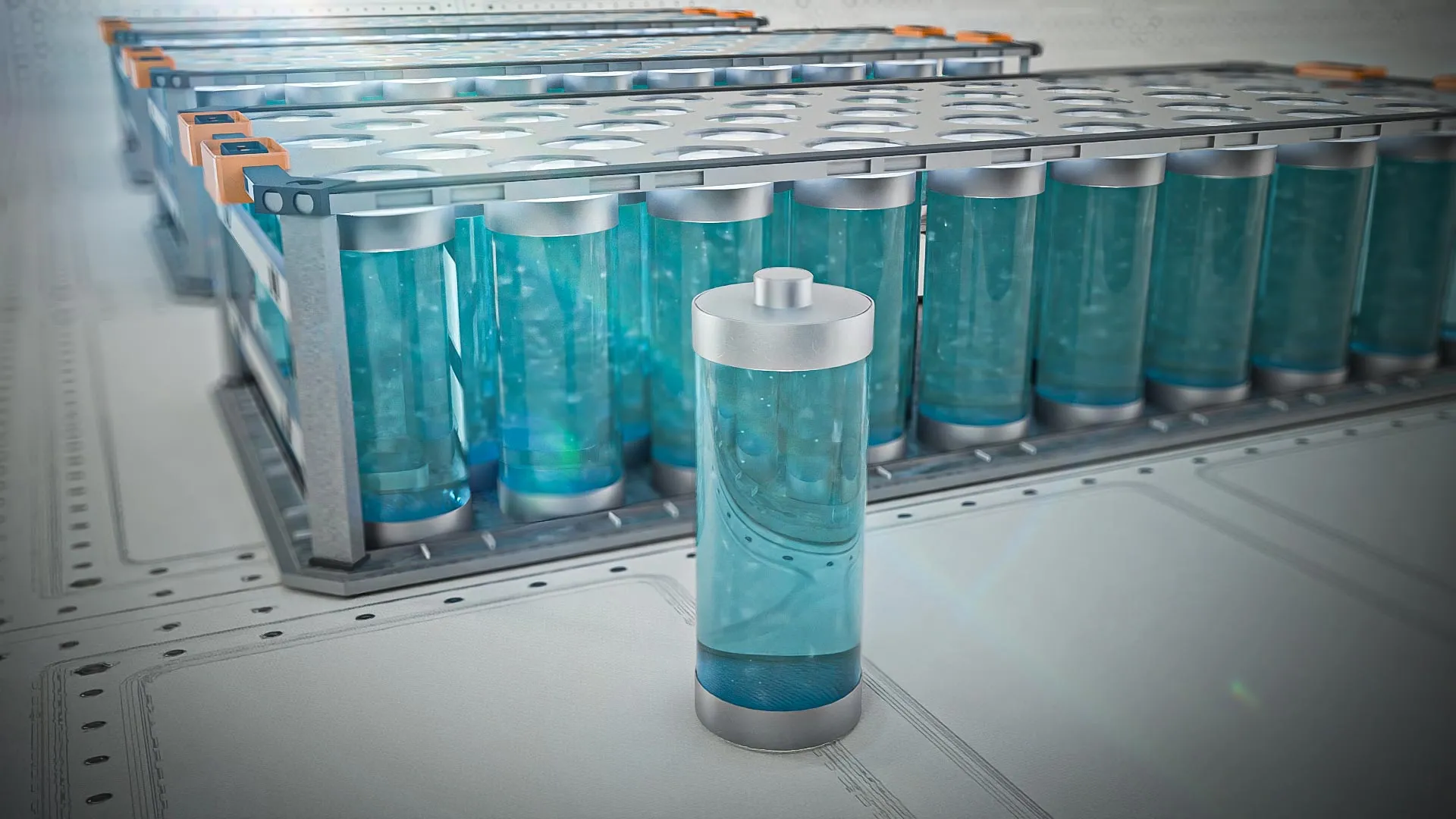
A surprising breakthrough could help sodium-ion batteries rival lithium—and even turn seawater into drinking water. Scientists discovered that keeping water inside a key battery material, instead of removing it as traditionally done, dramatically boosts performance. The “wet” version stores nearly twice as much charge, charges faster, and remains stable for hundreds of cycles, placing it among the top-performing sodium battery materials ever reported.


Did you mean to tag me?
You are a literal scientist or something that always answers these questions. We need you!
Start of my villain arc right here. Like unidan, but with more buttholes.
Uh yeah, not a good idea now that I think about it, apologies.
But since you are already here, the guy above me says batteries have not improved much, and I’m too dumb to argue.
I won’t let it go to my head. I promise. Probably.
Anyways tho for an actual opinion:
This thread is a bit of a mess and I would caution taking anything being said (except by me, the absolute authority) without a large grain of salt - however mostly people aren’t contradicting each other, it’s just a hugely complex topic that quickly devolves into semantic-adjacent arguments about how we should be comparing battery chemistries (on market / in lab / cross-chemistry) and what degree we should be considering the “soft factors”; things like the number of recharge cycles, robustness of the cells to damage, cost of manufacturing and/or recycling the cells, etc.
Sodium batteries are a big deal, and as far as I’ve seen we’re finally at the point where they’re starting to become market viable, but they’re still a largely unproven technology. Arguing that battery tech hasn’t improved in the last decade is obviously wrong, but it’s also not wrong to say that there hasn’t been any dramatic improvement in the technology in the last decade. None of the many “miracle battery tech” announcements that promise to have double-or-better the capacity of lithium chemistries has panned out, we’ve just been making slow gains across many chemistries and those cumulative 10% improvements to battery life year-over-year are finally starting to add up to where the average consumer can really notice them.
Thank you hero!
Just to clarify, because I feel that I’m being impuned in some way, my only comment was that while there has been significant development in batteries in the lab up until now this is the first commercially available battery includement since we got off lithium polymer.
The original comment I was responding to was trying to suggest that battery technology over the last decade has significantly improved but realistically all we’ve done is being come clever with the technology we already have, and that this is the first time battery technology at a commercial level has improved. After all, a lot of ICE cars are still using lead acid batteries, and the remote control for my TV uses batteries that my grandparents would have recognised.
I remember while back when lithium oxygen batteries were the new hotness and that never went anywhere.
Oh man, I am so glad we finally have one of those. I was worried I was stuck in this confusing thread about semantics with just my own broken brain.
Oh absolute authority… When we will give rocks boobs?