I think for my commute I would prefer a battery chemistry that needed slower charging, if it was cheaper or lasted longer or was safer, or lighter, or whatever. But I think there will always be use cases where it’s worth maximizing uptime, like long-haul driving.
I wonder if trucking will evolve to do tractor swaps, where rigs coming into charge up will hand off trailers to fresh tractors. That way the cargo doesn’t have to take up space in the charging lot or whatever. Or they might do battery swaps. I imagine for above some threshold of cost/minute downtime, the hardware for doing swaps will be worth the extra cost.


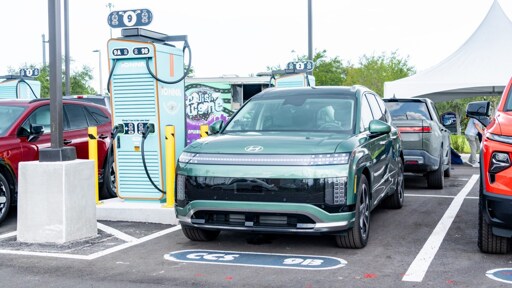
I think for my commute I would prefer a battery chemistry that needed slower charging, if it was cheaper or lasted longer or was safer, or lighter, or whatever. But I think there will always be use cases where it’s worth maximizing uptime, like long-haul driving.
I wonder if trucking will evolve to do tractor swaps, where rigs coming into charge up will hand off trailers to fresh tractors. That way the cargo doesn’t have to take up space in the charging lot or whatever. Or they might do battery swaps. I imagine for above some threshold of cost/minute downtime, the hardware for doing swaps will be worth the extra cost.
In most jurisdictions, trucks are required by law to stop for the driver to rest every 5 hours or so. You can just charge the vehicle then.
oh yeah, duh. the vehicle’s uptime is bound by its operator’s.
Nio has had battery hot swapping systems for years, but that’s for progressive countries.