It’s partly because people would complain the other way if they only used half the cinema screen to display the full IMAX image. I’m not gonna do the maths, but I think Odyssey being 1.43:1 ratio would leave about half the screen blanked out on the sides.
But mostly because it’s the main selling point of IMAX films is there’s more image than a standard ratio. That more is supposed to be mostly in your peripheral vision rather than where you’re focused, directors aren’t really putting anything important in these extremities of the image.
So to pillarbox that image would just dramatically shrink the bit of the screen the viewer should be focusing on, on an already smaller screen.
Let me help you out there, since I need something to help me procrastinate anyways lol
being 1.43:1 ratio would leave about half the screen blanked out on the sides.
I was curious to find out what this came out to as well. Turns out though, on a 16:9 screen, scaling a full 1.43:1 frame to fit only results in side bars that each take up less than 10% of the image, (less than what I was suspecting to be honest).
While a ~20% size reduction isn’t ideal, so is watching a movie that was composed for a different aspect ratio. IMHO, people should have the choice to watch in whatever way best appeals to their needs. We used to do this on DVDs where you could opt for either the widescreen or fullscreen version of the movie, so there’s definitely precedent for it.
Unfortunately, the option for the 1.43 version of many of these movies can’t be found outside of their IMAX run in theaters. (At least not officially…)
FWIW, 16:9 is mostly used for wide-screen TV content (about 1.85:1), the effect is more pronounced because cinema screens are typically 2.39:1 with most content being that ratio
That’s why you still get letterboxes watching films on TV a lot of the time, despite us all having widescreens now
Home releases will almost certainly get the non-IMAX, 2.39:1 crop they’ve already cut for standard cinemas, and it’ll get the standard cinema letterboxing you see for other theatrical releases if you watch on a 16:9 TV.
Pan and scan has thankfully died off as a practice
I guess I should have said crop rather than pan and scan. But I assume it’s still not a “fixed” crop in that they might change the crop area based on scene or shot?
I guess it’s likely they’re doing some amount of that, yeah. However I believe the way directors typically approach IMAX is to still centre the shot the way you would without the extra vertical frame, so a centred crop would usually be the best option.
I’d find it hard to believe that they never take the opportunity to shift things a bit if it would make it better anyway

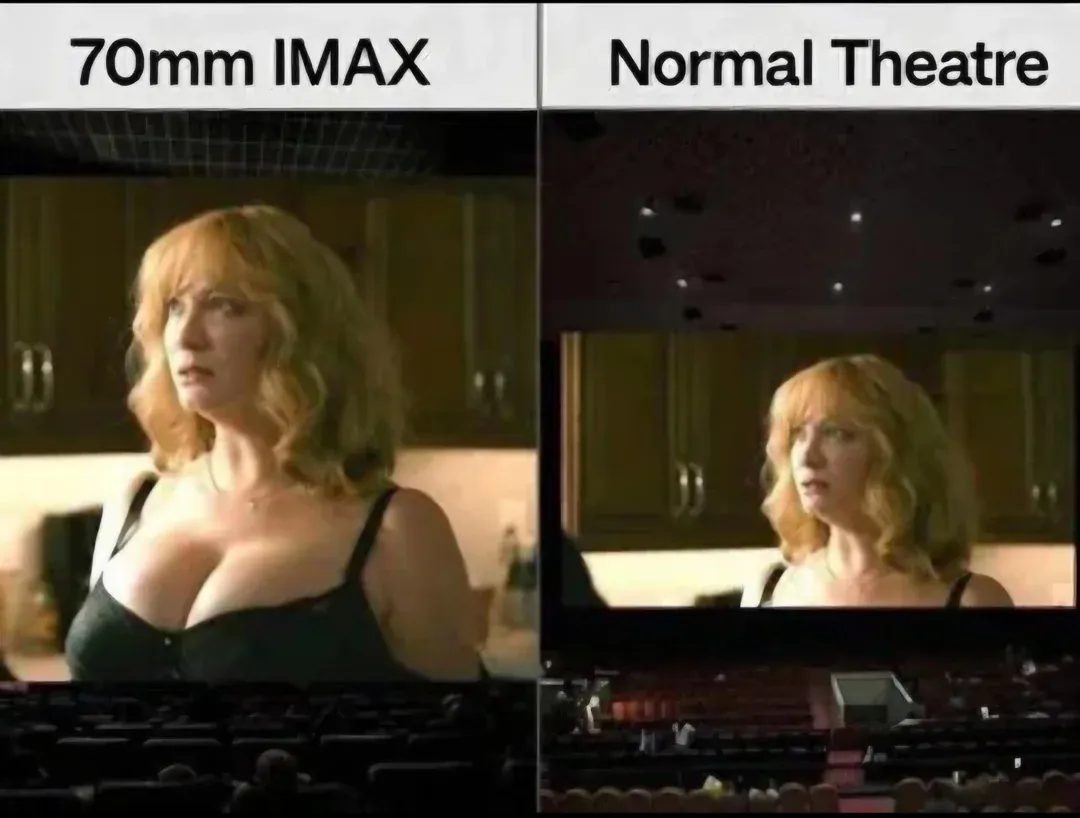
It’s so strange to me that they can’t just shrink the picture down to show everything, like 😫 noooooo we have to use the whole screen!!!
It’s partly because people would complain the other way if they only used half the cinema screen to display the full IMAX image. I’m not gonna do the maths, but I think Odyssey being 1.43:1 ratio would leave about half the screen blanked out on the sides.
But mostly because it’s the main selling point of IMAX films is there’s more image than a standard ratio. That more is supposed to be mostly in your peripheral vision rather than where you’re focused, directors aren’t really putting anything important in these extremities of the image.
So to pillarbox that image would just dramatically shrink the bit of the screen the viewer should be focusing on, on an already smaller screen.
This helped me get it, I never considered imax because of the price so I never thought about what it even meant
Image max / maximum image
Let me help you out there, since I need something to help me procrastinate anyways lol
I was curious to find out what this came out to as well. Turns out though, on a 16:9 screen, scaling a full 1.43:1 frame to fit only results in side bars that each take up less than 10% of the image, (less than what I was suspecting to be honest).
While a ~20% size reduction isn’t ideal, so is watching a movie that was composed for a different aspect ratio. IMHO, people should have the choice to watch in whatever way best appeals to their needs. We used to do this on DVDs where you could opt for either the widescreen or fullscreen version of the movie, so there’s definitely precedent for it.
Unfortunately, the option for the 1.43 version of many of these movies can’t be found outside of their IMAX run in theaters. (At least not officially…)
FWIW, 16:9 is mostly used for wide-screen TV content (about 1.85:1), the effect is more pronounced because cinema screens are typically 2.39:1 with most content being that ratio
That’s why you still get letterboxes watching films on TV a lot of the time, despite us all having widescreens now
We lose 20% on each side
So when they release Odyssey for home viewing on streaming or however it gets released, do they pillar box it? Or they pan and scan edit it?
Home releases will almost certainly get the non-IMAX, 2.39:1 crop they’ve already cut for standard cinemas, and it’ll get the standard cinema letterboxing you see for other theatrical releases if you watch on a 16:9 TV.
Pan and scan has thankfully died off as a practice
I guess I should have said crop rather than pan and scan. But I assume it’s still not a “fixed” crop in that they might change the crop area based on scene or shot?
I guess it’s likely they’re doing some amount of that, yeah. However I believe the way directors typically approach IMAX is to still centre the shot the way you would without the extra vertical frame, so a centred crop would usually be the best option.
I’d find it hard to believe that they never take the opportunity to shift things a bit if it would make it better anyway
Makes sense, 16:9 was chosen by TV manufactures because it sat nicely with most common aspect ratios (ranging from 3:4 to 1:2.5)
Ugh. The selling point of standard theaters used to be the better aspect ratio
People seemed to like Obsession a lot and it was 1.5:1, it made nearly $500m
Just show the IMAX version and let the extra fall off the screen and shine on the audience and sell tickets for dudes to sit inside her boobs.