
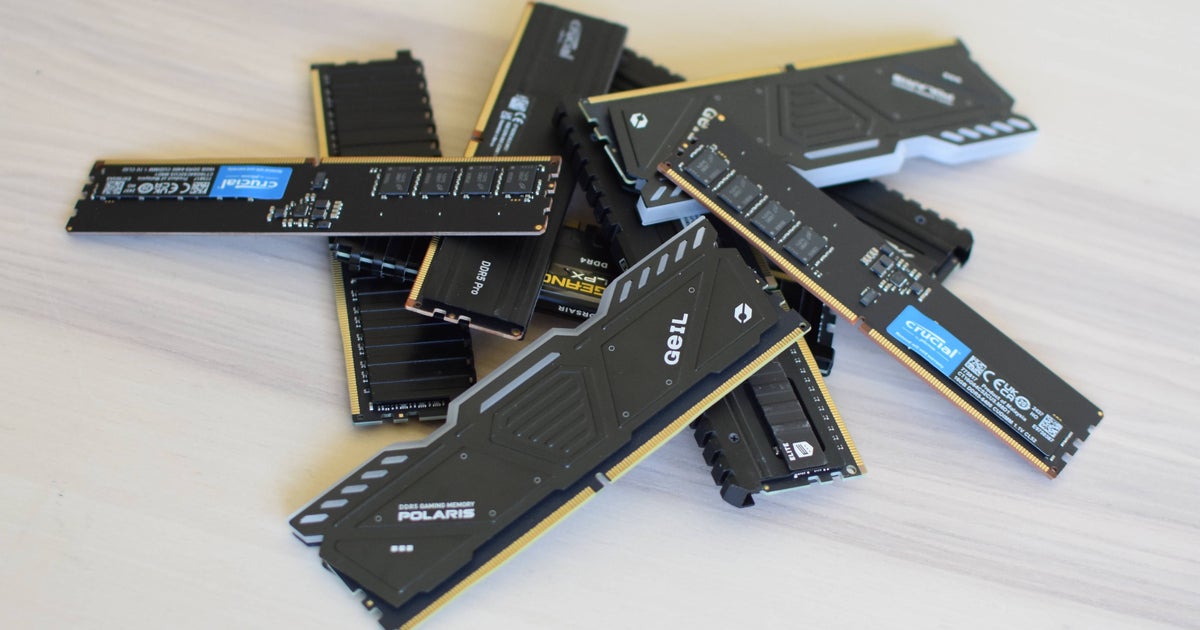
The lawsuit is small in scale so far, but if the court accepts the plaintiffs’ claims and formally approves it as a class action, it could expand. Bathaee Dunne, the antitrust law firm representing the plaintiffs, is aiming for a class action representing all general consumers and businesses that purchased products containing D-RAM. The firm previously won a case alleging collusion in Google’s digital advertising. If the plaintiffs ultimately prevail in the class action, the defendant companies would have to pay triple the damages.
The fact that Samsung Electronics and SK hynix have previously been found guilty of collusion in the United States is also a concern. Both companies were found to have engaged in price fixing in the US in the early 2000s, resulting in large fines as well as prison sentences for executives. However, industry players including investment bank Jefferies forecast that the lawsuit will not affect memory prices at least until the end of this year.
Watch them say “well we just won’t sell to the US anymore”
That’s where most of the AI data centers are
Exactly, that’s why it’s the ultimate threat…
Yeah but to their own bottom lines
You don’t actually need to engage in collusion to fix prices and silently agree not to compete. You just need to not be an idiot.
Exactly. It’s like watching the gas station across the street and quietly setting your prices to the same thing. The moment you set it one cent lower than the other guy, it’s a race to the bottom and everyone makes less money.
Thanks. I’ll edit this into the post.
How much was the fine for the last price fixing lawsuit?
$43. That’ll teach em.
Interesting. The story I’ve been hearing is it’s a supply problem caused a massive demand for the Nvidia AI chips and the ultra-fast RAM they require.
I just saw a report from SK Hynix (that triggered chip stock selloffs) that they were dialing back on production for the next generation NVidia chips. The market figured that was evidence of soft demand.
Turns out that was because those were delayed, so they decided to build more of the lower speed RAM, which I think is the stuff consumers are needing. Working from memory here, so details are likely off.
Anyway, the problem may be more about producing for the most profitable market rather than price fixing.
I look forward to the outcome. It will be nice to know the situation from an objective source.
Full disclosure, I own shares of FKLR which is an ETF of the South Korean market index that is dominated by these two companies.
It’s doing poorly just now due to that report I mentioned and a bunch of other things.
Looks like the previous fine was 185 million.
Literally pennies compared to the billions made.