I don’t think it has much merit unless there is a gaming storefront that actively cares about linux though.
Like if I go down to the bottom of my hill and set up a lemonade stand, do I suddenly have a monopoly/anti-trust on lemonade as im the only one selling on the hill?
It’s a weird excuse to use. and if a court actually allowed steam machine as evidence for anti-trust. it would open both Xbox and Playstation to the same rulings as they are even more closed off gardens.
Xbox/PlayStation/Nintendo don’t have monopolies within the console space.
Also (and this seems stupid to me), having a more open platform can open you up to antitrust lawsuits. In the Epic vs Google and Epic vs Apple lawsuits, apple was ruled to be fine to have a closed app store, but Google was rules to have an illegal monopoly on Android, despite it being the more open platform.
Basically Valve having the Steam Machine be an open platform (or being sold as a PC which is expected to be open) while steering Steam use could be considered more of a monopoly issue, than if they released a stripped down Steam only “console” and advertised it as such.
However, if I remember the Google case right, it wasn’t as much as it was because they allowed people onto the market, it was because they allowed people onto the market, and then participated in underhanded tactics in order to basically guarantee that third-party stores weren’t going to strive, some of these practices, including vendor contracts, that state that if they want to ship Google Play Services with their phone, they can’t have specific applications installed by default. In some cases, straight out, refusing to even allow that vendor to have a first party store.
I don’t think steam meets that metric, There is currently no major storefront except for Steam that is willing to touch Linux with a 10-foot pole. Every major storefront that’s on Linux is via a third-party application. Gog doesn’t even offer a native Linux version anymore. They’ve offloaded it onto the heroic team. None of those choices are a result of steam creating a steam machine and none of those choices will change if they had subsidized the machine to be significantly less in the market.
It’s not as if Steam intentionally modified SteamOS to disallow competitor apps or to make it harder for competitor apps to enter that market.
I struggle to see how anything can be a monopoly(by ftc definition not literal definition) if nobody else is trying to enter that market. There’s no restrictions in place being set by steam to prevent large companies such as Epic or EA from making a native Linux platform where with Android there were restrictions in place to prevent other people from making their own.
them charging less for the steam machine to get more people into the Linux market doesn’t undercut other companies because they’re not restricting or disincentivizing other companies from existing in that market, its companies willfully ignoring the Linux existence, as the userbase is insignficant most of the time and alternative methods of accessing Windows programs on Linux have been created.
The only argument they could give for subsidizing the steam machine being anti-competitive or antitrust would be that they were intentionally trying to pull people into a market that doesn’t have any other competition. But that’s a fairly weak argument if you ask me because gaming on Linux is more or less a Windows predominant market anyway. It’s just running Windows games over Proton instead of Windows games on Windows.
Heck, I’m not even sure if the current license of Proton even prohibits another company taking the transition layer and using it for commercial means. The proton repository is labeled as is and out of the components I checked in it its mostly MIT or Apache, Wine is GPL, so that’s free commercial use. I just don’t see the anti-competitive concern with it. Any Joe Smo with money could go out and make a competitor that’s native to Linux. That would be more or less the same as Steam. That doesn’t mean it will succeed, but Valve is not actively preventing anyone from doing that.
my personal opinion on their public relations in regards to it, regarding the text above.
being said, my annoyance at this is less the price; and more every response that they’ve used trying to explain why the pricing is so high. Each has been them shifting the buck onto another entity instead of taking accountability. They have blamed that the RAM companies would walk if they tried to negotiate a deal. They have blamed the current hardware market. They have blamed not wanting to be an antitrust case. They were not forced to signed the hardware contracts for the pricing that they’re currently at. They were not forced to release the steam machine this year. It’s not like the hardware market changed overnight the market’s condition was obvious as well, experts have been saying for at least a year and a half, two years now, that they don’t expect this market is going to stabilize until sometime in 2028. Honestly, they weren’t even forced to release it at a $1,000 price point, I understand why they did, but I really don’t like how they’re making excuses regarding it. At some point, they need to just be blunt about it and say: Valve is a company, we’re here for the money, and we’re having to sacrifice a little bit of customer relation in order to have that. Instead of blaming everyone else for the company price choices.
You’re right about it being underhanded tactics that resulted in the monopoly charge, but it also just seems silly that they could instead say “no other app stores are allowed” and it would suddenly be ok.


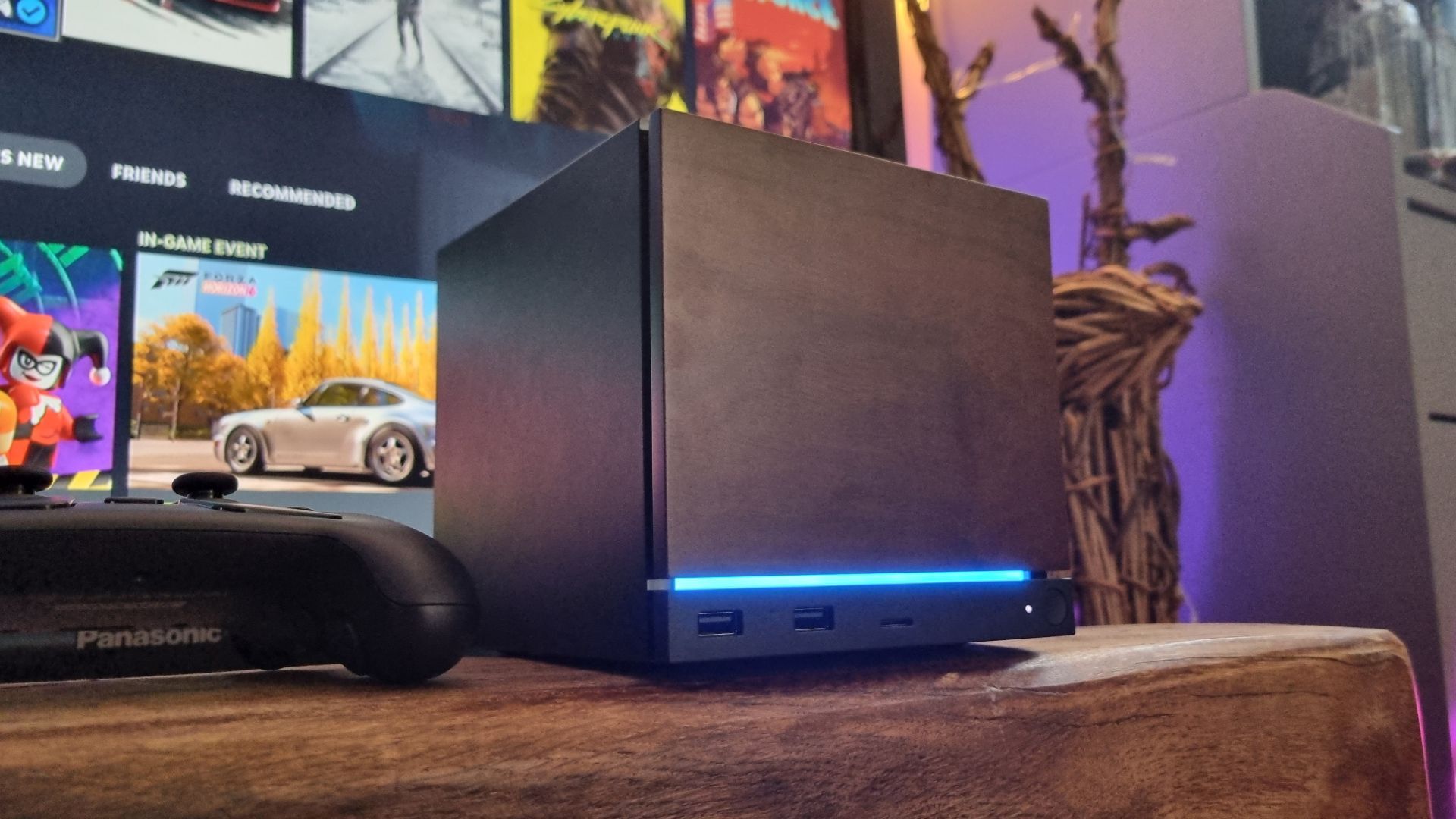
I don’t think it has much merit unless there is a gaming storefront that actively cares about linux though.
Like if I go down to the bottom of my hill and set up a lemonade stand, do I suddenly have a monopoly/anti-trust on lemonade as im the only one selling on the hill?
It’s a weird excuse to use. and if a court actually allowed steam machine as evidence for anti-trust. it would open both Xbox and Playstation to the same rulings as they are even more closed off gardens.
Xbox/PlayStation/Nintendo don’t have monopolies within the console space.
Also (and this seems stupid to me), having a more open platform can open you up to antitrust lawsuits. In the Epic vs Google and Epic vs Apple lawsuits, apple was ruled to be fine to have a closed app store, but Google was rules to have an illegal monopoly on Android, despite it being the more open platform.
Basically Valve having the Steam Machine be an open platform (or being sold as a PC which is expected to be open) while steering Steam use could be considered more of a monopoly issue, than if they released a stripped down Steam only “console” and advertised it as such.
I agree with you.
However, if I remember the Google case right, it wasn’t as much as it was because they allowed people onto the market, it was because they allowed people onto the market, and then participated in underhanded tactics in order to basically guarantee that third-party stores weren’t going to strive, some of these practices, including vendor contracts, that state that if they want to ship Google Play Services with their phone, they can’t have specific applications installed by default. In some cases, straight out, refusing to even allow that vendor to have a first party store.
I don’t think steam meets that metric, There is currently no major storefront except for Steam that is willing to touch Linux with a 10-foot pole. Every major storefront that’s on Linux is via a third-party application. Gog doesn’t even offer a native Linux version anymore. They’ve offloaded it onto the heroic team. None of those choices are a result of steam creating a steam machine and none of those choices will change if they had subsidized the machine to be significantly less in the market.
It’s not as if Steam intentionally modified SteamOS to disallow competitor apps or to make it harder for competitor apps to enter that market.
I struggle to see how anything can be a monopoly(by ftc definition not literal definition) if nobody else is trying to enter that market. There’s no restrictions in place being set by steam to prevent large companies such as Epic or EA from making a native Linux platform where with Android there were restrictions in place to prevent other people from making their own.
them charging less for the steam machine to get more people into the Linux market doesn’t undercut other companies because they’re not restricting or disincentivizing other companies from existing in that market, its companies willfully ignoring the Linux existence, as the userbase is insignficant most of the time and alternative methods of accessing Windows programs on Linux have been created.
The only argument they could give for subsidizing the steam machine being anti-competitive or antitrust would be that they were intentionally trying to pull people into a market that doesn’t have any other competition. But that’s a fairly weak argument if you ask me because gaming on Linux is more or less a Windows predominant market anyway. It’s just running Windows games over Proton instead of Windows games on Windows.
Heck, I’m not even sure if the current license of Proton even prohibits another company taking the transition layer and using it for commercial means. The proton repository is labeled as is and out of the components I checked in it its mostly MIT or Apache, Wine is GPL, so that’s free commercial use. I just don’t see the anti-competitive concern with it. Any Joe Smo with money could go out and make a competitor that’s native to Linux. That would be more or less the same as Steam. That doesn’t mean it will succeed, but Valve is not actively preventing anyone from doing that.
my personal opinion on their public relations in regards to it, regarding the text above.
being said, my annoyance at this is less the price; and more every response that they’ve used trying to explain why the pricing is so high. Each has been them shifting the buck onto another entity instead of taking accountability. They have blamed that the RAM companies would walk if they tried to negotiate a deal. They have blamed the current hardware market. They have blamed not wanting to be an antitrust case. They were not forced to signed the hardware contracts for the pricing that they’re currently at. They were not forced to release the steam machine this year. It’s not like the hardware market changed overnight the market’s condition was obvious as well, experts have been saying for at least a year and a half, two years now, that they don’t expect this market is going to stabilize until sometime in 2028. Honestly, they weren’t even forced to release it at a $1,000 price point, I understand why they did, but I really don’t like how they’re making excuses regarding it. At some point, they need to just be blunt about it and say: Valve is a company, we’re here for the money, and we’re having to sacrifice a little bit of customer relation in order to have that. Instead of blaming everyone else for the company price choices.
You’re right about it being underhanded tactics that resulted in the monopoly charge, but it also just seems silly that they could instead say “no other app stores are allowed” and it would suddenly be ok.