A lot of people fail to realize exactly how much more energy dense gasoline and diesel are compared to batteries still. Imo one of the last big hurdles to overcome before complete adoption of evs.
It is energy dense, sure, but on average 70% of that energy is wasted as heat. However, in EVs, at least 80% is electricity is converted to mechanical energy. Thus, EVs are about 250% more effective. Of course, if you, are going diesel -> generator -> EV you are multiplying the efficiency, and you are much better using an ICE vehicle instead. But you don’t have this issue wish solar to EV directly.
All in all, it comes to how much range can you get per potential energy. Solar or wind? Good. Coal, gas, diesel? Not so much. That’s why having larger renewable ratio is helping EVs to reach economical goals.
Do you pay (absolutely imagined ratios) 1$ in diesel which yields 100km range, or 1$ in electricity which yields 200km range? Or 110 even. Then there is charging time. Do you spend 2 hours for one full tank for 10$, or 2 hours and 30 minutes for same price for electricity and 30m charging time on top? What’s if it was 8$ to fully charge, meaning you paid 2$ less for 30 minutes of extra time?
Everything is just a numbers game. Are you saving the environmentxat the cost of your time? Are you paying less per kilometer so it outweighs cost of your time?
Currently, it is heavily personalized. Soon, either will make economical sense. Which one, we will see, but as we as society lean towards EVs and renewables, we’ll soon see a shift towards EVs, hopefully.
I am not against one or the other, currently I understand some people economically prefer EVs while other prefer ICE.
Right. But what I’m getting at is when we can have 1/3rd of the battery weight with the same capacity, the vehicle range will be even greater cuz it won’t have to lug the batteries around too. Once we get past the weight of the batteries and are able to produce LIGHT evs, the ICE will become even less appealing. Weight has always been a struggle with electric vehicles, and to me is the obvious next big step in tech to improve them.
Also, EVs have the potential to basically be “100% efficient” if they happen to be charged by solar. With combustion engines you’re never going to get any sort of improvement, it’s just always what it is.
Not necessarily true, things like direct injection, VVT and VVL and variable compression engines and variable vane turbos and 8 + speed transmissions have increased the efficiency of gas cars. The gas engines are still wasting a lot as heat, if you have any interest in that u should look into smokey yunick and his hot vapor engines. There are improvements to be made in ice but it will still never be 100% efficient. We have far from mastered internal combustion, and I suspect we never will as hopefully EV eventually replace most combustion vehicles.
Of new gas cars though. But by changing how you charge a battery you change its effective efficiency. A gas engine can’t run on anything but gasoline. (E.g., gas and diesel engines aren’t compatible with the opposite liquid.)
Combustion engine efficiency is limited by hard physics and modern day combustion engines have gotten impressively close to that theoretical limit. So no, the remaining potential of ICE is not that great anymore.
Actual efficiency of BEVs is way better than even the theoretical limit of ICE.


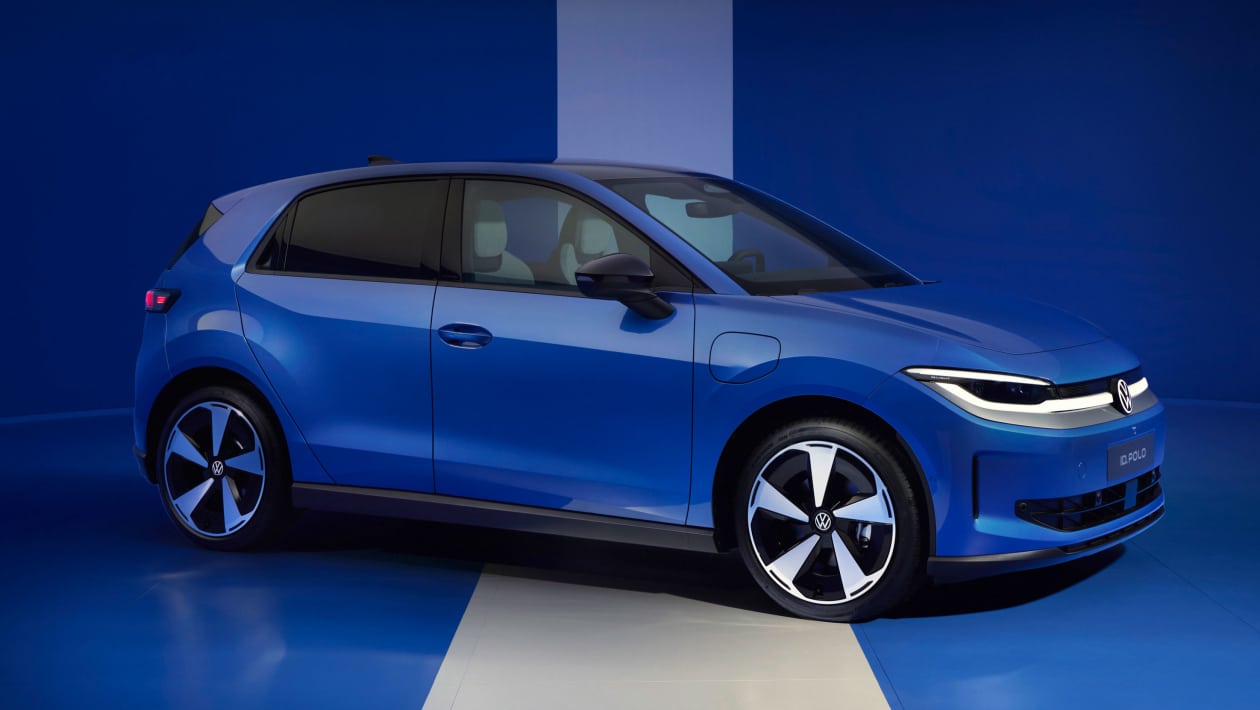
2 things that need maintanance and can possibly break. Also makes the car even heavier than it already is with EV.
These points are the ones driving me away from hybrid.
A prius prime weighs less than a Tesla model 3. Model 3 is 1931kg with the long range battery and Prius is 1534kg for the heaviest verision.
deleted by creator
A lot of people fail to realize exactly how much more energy dense gasoline and diesel are compared to batteries still. Imo one of the last big hurdles to overcome before complete adoption of evs.
It is energy dense, sure, but on average 70% of that energy is wasted as heat. However, in EVs, at least 80% is electricity is converted to mechanical energy. Thus, EVs are about 250% more effective. Of course, if you, are going diesel -> generator -> EV you are multiplying the efficiency, and you are much better using an ICE vehicle instead. But you don’t have this issue wish solar to EV directly.
All in all, it comes to how much range can you get per potential energy. Solar or wind? Good. Coal, gas, diesel? Not so much. That’s why having larger renewable ratio is helping EVs to reach economical goals.
Do you pay (absolutely imagined ratios) 1$ in diesel which yields 100km range, or 1$ in electricity which yields 200km range? Or 110 even. Then there is charging time. Do you spend 2 hours for one full tank for 10$, or 2 hours and 30 minutes for same price for electricity and 30m charging time on top? What’s if it was 8$ to fully charge, meaning you paid 2$ less for 30 minutes of extra time?
Everything is just a numbers game. Are you saving the environmentxat the cost of your time? Are you paying less per kilometer so it outweighs cost of your time?
Currently, it is heavily personalized. Soon, either will make economical sense. Which one, we will see, but as we as society lean towards EVs and renewables, we’ll soon see a shift towards EVs, hopefully.
I am not against one or the other, currently I understand some people economically prefer EVs while other prefer ICE.
And of that incredible energy density, most it get wasted by a significantly less efficient drivetrain.
Right. But what I’m getting at is when we can have 1/3rd of the battery weight with the same capacity, the vehicle range will be even greater cuz it won’t have to lug the batteries around too. Once we get past the weight of the batteries and are able to produce LIGHT evs, the ICE will become even less appealing. Weight has always been a struggle with electric vehicles, and to me is the obvious next big step in tech to improve them.
Also, EVs have the potential to basically be “100% efficient” if they happen to be charged by solar. With combustion engines you’re never going to get any sort of improvement, it’s just always what it is.
Not necessarily true, things like direct injection, VVT and VVL and variable compression engines and variable vane turbos and 8 + speed transmissions have increased the efficiency of gas cars. The gas engines are still wasting a lot as heat, if you have any interest in that u should look into smokey yunick and his hot vapor engines. There are improvements to be made in ice but it will still never be 100% efficient. We have far from mastered internal combustion, and I suspect we never will as hopefully EV eventually replace most combustion vehicles.
Of new gas cars though. But by changing how you charge a battery you change its effective efficiency. A gas engine can’t run on anything but gasoline. (E.g., gas and diesel engines aren’t compatible with the opposite liquid.)
Combustion engine efficiency is limited by hard physics and modern day combustion engines have gotten impressively close to that theoretical limit. So no, the remaining potential of ICE is not that great anymore.
Actual efficiency of BEVs is way better than even the theoretical limit of ICE.
I, for one, hope for new and better REEVs