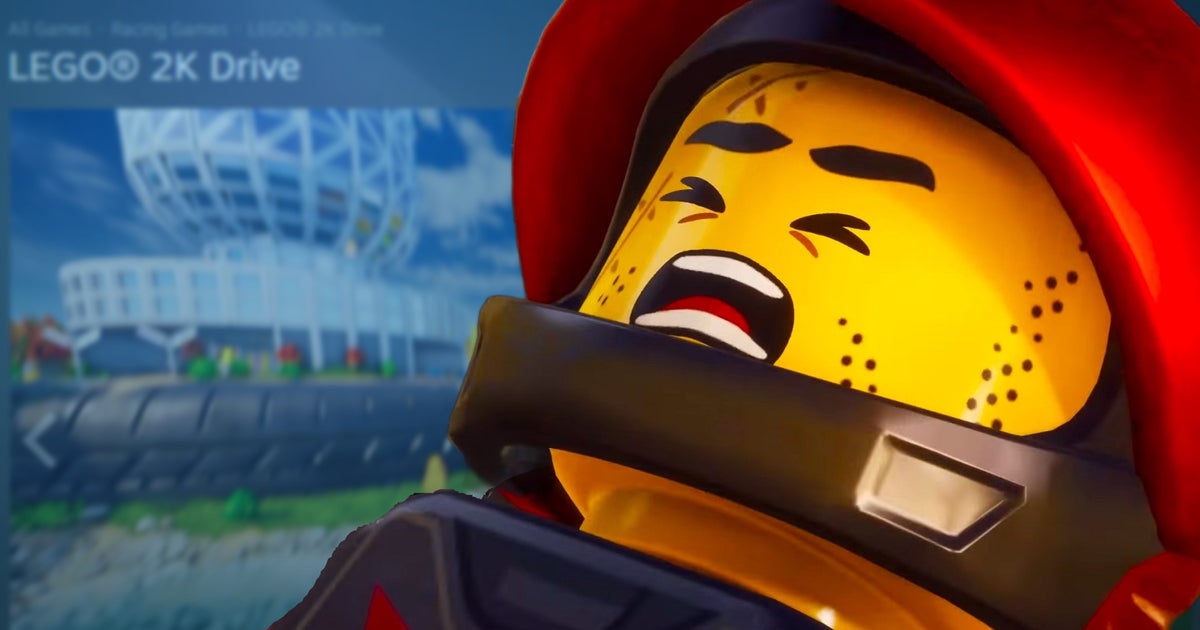
Despite Stop Killing Games' efforts, publisher 2K is delisting Lego 2K Drive this week on PC and consoles, with the online services shutting down in 2027.
As an absolute bare minimum, yes, SKG wants publishers to not be able to completely brick a game. However they still talk a lot about partially disabled games and, in general, try to get consumers to advocate for more consumer-friendly development practices. For example, what if this game’s online features were sunsetted in a way that allowed someone else to pick up the slack in hosting server infrastructure? What if they released a server kit so that gamers and fans could host custom sharing and race servers?
I am not saying that I’m against it. Being able to self host would be ideal for online games. What I mean is, that SKG main goal is keeping games playable after the support ends, and that is in most case an offline mode. Especially for games that COULD be offline played without a server. So this is not the “bare minimum”, but the main goal. Everything else, like self hosting of online modes, is optional bonus. And MMORPGs in example are exempt from this I think, as these type of games are not marketed as “purchases” but rather being a “subscription” based access.
We are a global coalition of gamers, consumer advocates, and developers pushing for international legal protections. Video games are increasingly being designed to require central servers to function, even for single-player content. When publishers decide to shut those servers down, the games are destroyed entirely.
Take Forza Horizon 4 for example. I think many people who have played that would consider the ability to collect all the cars a requirement for it to remain in a playable state. If you run it in offline mode though you can’t access the Forzathon shop, Backstage pass and weekly seasonal events that you need to buy many of them.
What does that even mean in this context? What you suggest is hugely different, its not just semantics. There are clear goals of SKG and I provided quotes too. The article you linked talks about a game that is not relevant to Stop Killing Games, because the game does already everything its asking for. That is not just semantics, its plain and simple wrong.
So this is not the “bare minimum”, but the main goal.
Is the semantics I was referring to.
The Stop Killing Games initiative has a goal that they are aiming for with legislation. If you watch Ross’ vlogs or any of the other European representatives speak on the topic, they make it pretty clear many times that they are aiming for what they consider to be the bare minimum, realistic goal. However, they very frequently discuss the topic in deeper ways and generally advocate for all the things I mentioned.
This game absolutely is relevant for Stop Killing Games. After 2027, it will be partially disabled, which the SKG initiative speaks about when making their case to legislators.
And on top of the legislation they are pursuing, the SKG initiative is also just a broader consumer advocacy initiative, and this article helps raise awareness for what they are doing and how their initiative could impact game development. Or more specifically—because SKG rightly points out that devs are often just as annoyed as consumers—game publishing.


As an absolute bare minimum, yes, SKG wants publishers to not be able to completely brick a game. However they still talk a lot about partially disabled games and, in general, try to get consumers to advocate for more consumer-friendly development practices. For example, what if this game’s online features were sunsetted in a way that allowed someone else to pick up the slack in hosting server infrastructure? What if they released a server kit so that gamers and fans could host custom sharing and race servers?
I am not saying that I’m against it. Being able to self host would be ideal for online games. What I mean is, that SKG main goal is keeping games playable after the support ends, and that is in most case an offline mode. Especially for games that COULD be offline played without a server. So this is not the “bare minimum”, but the main goal. Everything else, like self hosting of online modes, is optional bonus. And MMORPGs in example are exempt from this I think, as these type of games are not marketed as “purchases” but rather being a “subscription” based access.
From https://www.stopkillinggames.com/en#about
Depends what you mean by playable.
Take Forza Horizon 4 for example. I think many people who have played that would consider the ability to collect all the cars a requirement for it to remain in a playable state. If you run it in offline mode though you can’t access the Forzathon shop, Backstage pass and weekly seasonal events that you need to buy many of them.
We’re just discussing semantics at this point.
What does that even mean in this context? What you suggest is hugely different, its not just semantics. There are clear goals of SKG and I provided quotes too. The article you linked talks about a game that is not relevant to Stop Killing Games, because the game does already everything its asking for. That is not just semantics, its plain and simple wrong.
Is the semantics I was referring to.
The Stop Killing Games initiative has a goal that they are aiming for with legislation. If you watch Ross’ vlogs or any of the other European representatives speak on the topic, they make it pretty clear many times that they are aiming for what they consider to be the bare minimum, realistic goal. However, they very frequently discuss the topic in deeper ways and generally advocate for all the things I mentioned.
This game absolutely is relevant for Stop Killing Games. After 2027, it will be partially disabled, which the SKG initiative speaks about when making their case to legislators.
And on top of the legislation they are pursuing, the SKG initiative is also just a broader consumer advocacy initiative, and this article helps raise awareness for what they are doing and how their initiative could impact game development. Or more specifically—because SKG rightly points out that devs are often just as annoyed as consumers—game publishing.