

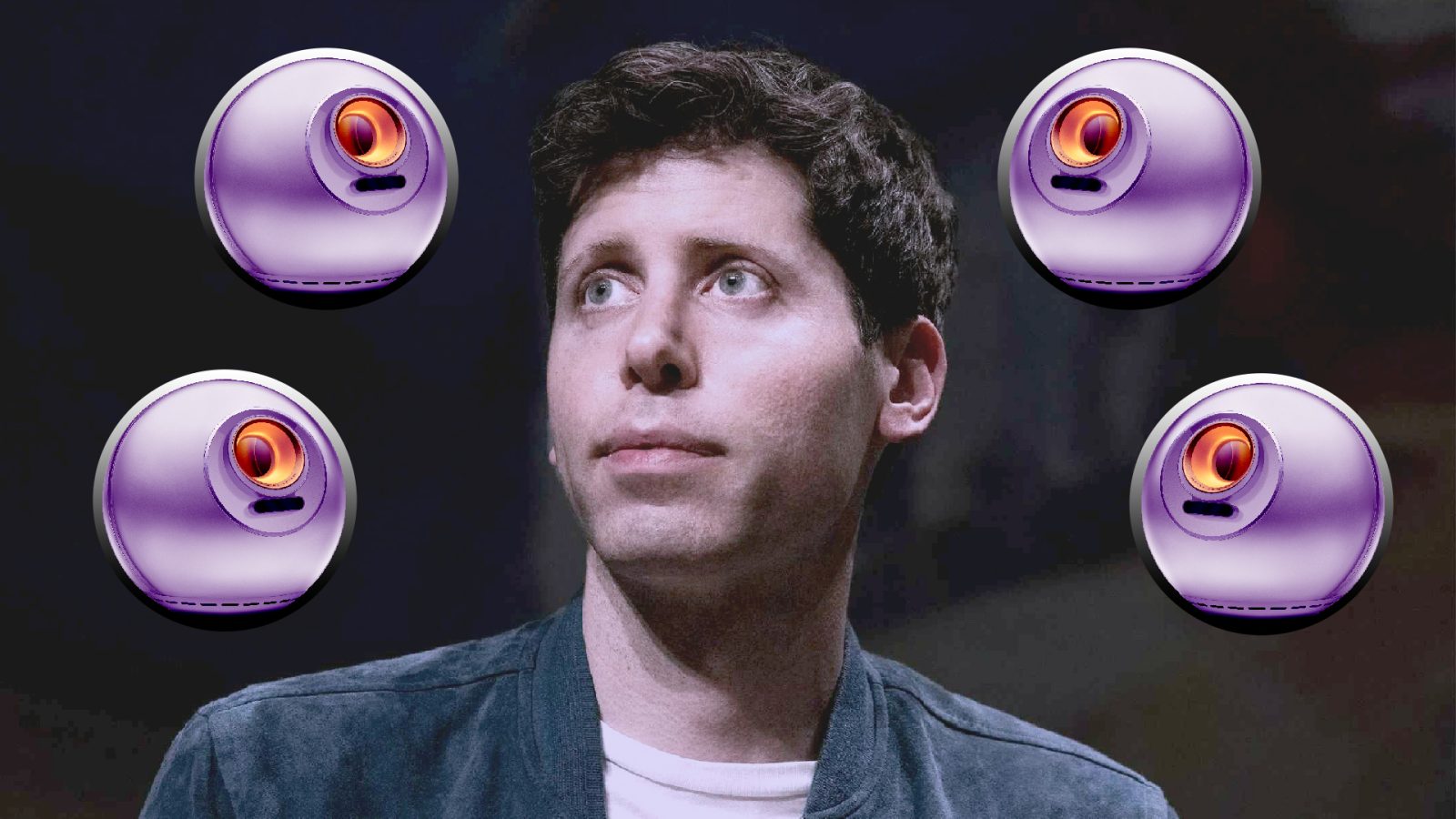
The biometric ID project has been halted and investigated in multiple countries, but it recently partnered with Tinder, Zoom, and Docusign to verify users.
The biometric ID project has been halted and investigated in multiple countries, but it recently partnered with Tinder, Zoom, and Docusign to verify users.
The problem is companies like docusign you might not have a choice not to use it, for a job for instance. This is pernicious, and will force us to hand over even more of our information, accepting a thousand page terms of service to do necessary tasks, with no government protection (none enforced even when there,) to any significant degree.
In sane places, large terms of service are unenforceable due to the lack of reasonable expectation that they were read and understood. The USA is just a dystopic cesspool of anti-consumerism.
Most of such terms were unenforceable in the US too, until around 2001 or so, and it just got worse from there. The supreme court made it official in the 10’s sometime if I recall, endorsing even making consumers or employees sign away their rights to sue to either buy something or get hired.
All that wage theft from minimum wage workers, which exploded in the bush years, happened with employees unable to sue, instead only being able to bring a binding arbitration suit of the employer’s choosing. And knowing them they would make the claimant pay a big filing fee to start the process.
It also used to be that if one part of such a contract was found to be illegal, the entire thing would be thrown out, not any more.
Not necessarily.
A contract is supposed to be a mutually-beneficial arrangement. I sell you a car for its market value. I work for you for a market price on my time for the position and my expertise.
If there’s a small mistake both sides are willing to amend - there probably won’t even be a suit.
Even if there is a suit, most places’ laws prefer nudging toe contract to the side “less off” in such cases.
Only when there are unreasonable demands by one side, or the contract is so one-sided it can’t be amended is when it gets thrown out completely.
Which is supposed to be almost never.
Therefore, I don’t think the rules themselves changed as much as the goalposts and the reasonableness window have. Quality of life and purchase power is decreasing steadily basically since Reagan.
Contemporary EULAs are taken as acceptable and a fact of life when even 10 years ago T&Cs were laughed at which were much less unreasonable in comparison.
Other types of contracts follow the same general direction, with employment ones being among the absolute worst.
That last part isn’t necessarily bad. There could be an honest mistake in a contract both parties are otherwise fine with. As for the rest… I’m so glad I emigrated.
The last part is always bad, even if theoretically it may not be. When you have a hundred to a thousand terms and conditions being pushed on you for a near immediate signature, that’s because they can add that one part being illegal doesn’t make the rest unenforceable, and now instead of a single page of terms we have a hundred.
There is a reason the Courts made that rule of disqualifying the entire contract of such contracts if one part was illegal, and they have rules and tests for when that applies too in such cases to prevent any legitimate mistakes from cancelling an entire contract.
Standard contracts in the US include a severability clause anymore; I don’t remember the last time I saw a contract without one (as a non-lawyer who reads everything I sign).
Agreed, it’s bad in that context. With proper consumer protection, you’re just just one safeguard among many in exchange for a small benefit to actual custom-written contracts.
They’re unenforceable here too. The only part that is enforceable and insane is “binding arbitration” where you are forced to agree that you won’t sue the company in court but instead you are required to go through a private mediator that the company pays.