

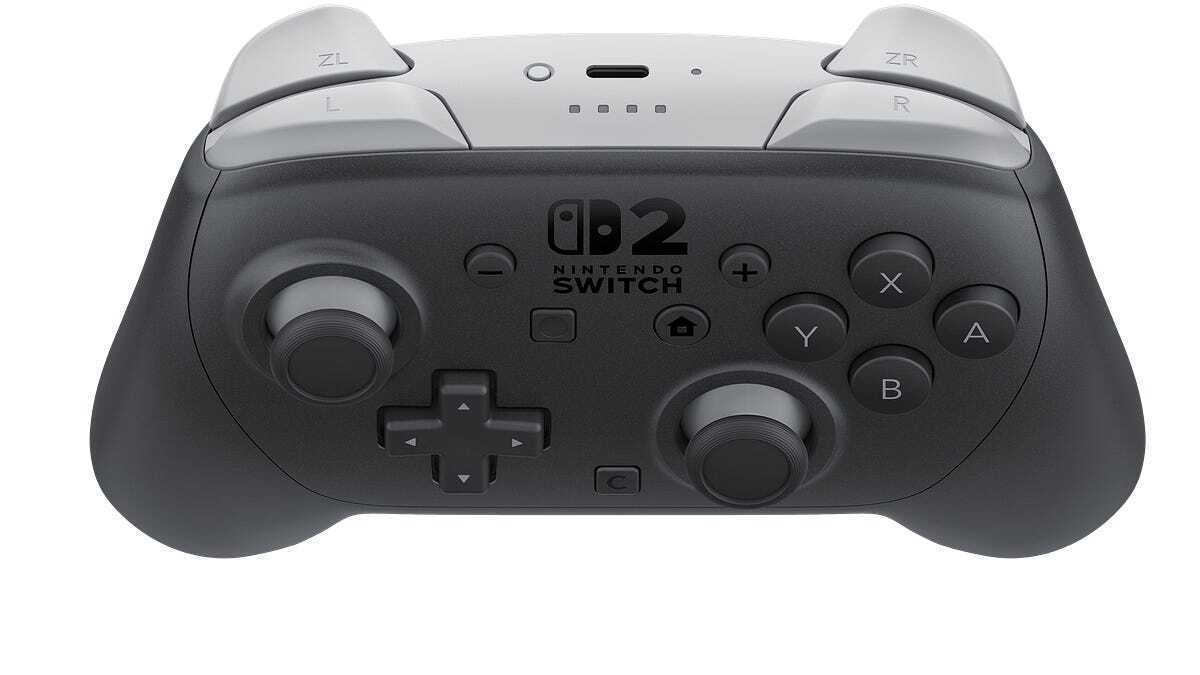
Two gamers have filed a class action lawsuit against Nintendo, alleging that the company will be unjustly enriching itself with any refund it secures from the U.S. government over widespread tariffs last year that, among other things, hiked the prices of Nintendo hardware and accessories.
“Unless restrained by this Court, Nintendo stands to recover the same tariff payments twice—once from consumers through higher prices and again from the federal government through tariff refunds, including interest paid by the government on those funds,” the suit states.
Personally, I think the easiest one is the US government refunds the tariffs to the company with the requirement that the company has to give it back because the company already has all that information
However, if We were to continue this hypothetical situation where the US is the initiator.
All they would need to do is make it so it’s a hard requirement in order to get the tariff return that the companies provide basic transaction data For that duration, They could even dictate what format they needed it in. (or Alternatively they could assert they have a system in place already to handle it themselves but I think most would just let the gov handle it in bulk processing than need to make a framework for it)
Then for returning the money, there’s a few options. They could either use the existing framework that they have to send returns to cards on file because it’s almost certain that they have direct access to every major card network. Or they can filter the master list by the card identifiers at the beginning and send them to the banks/card companies and let them deal with it.
For cash transactions, it would be a pain in the ass, but that’s going to be the case for both distributions, because there’s no link to an actual identity. What they would have to do is they would have to compare the receipt to the transaction data that they have, which you are right, they could scam you on. However, they would have to know where it was purchased, they would have to know the time stamp, they would have to know the amount spent.
Honestly, the most annoying part of that entire deal would be that people who paid in cash, regardless, are going to have to reach out to some system to say, hey, I spent this money, where’s my return? But I don’t think fraud is going to be a very big risk case here.
Honestly, they could probably even set up an online portal to do everything for you. You just have to supply the information needed, much like how unpaid claims are
Samsies. Unfortunately the executive is only forced to refund to companies.
Do they?
Let’s use Nintendo as the example.
First and foremost, how much did they change the price of the switch 2 based upon tariffs? More specifically, how much can you prove they did? Should a company that chose to eat the costs of the tariffs themselves be penalized and forced to lose even more money over NOT raising the price every time fuckface did? What about the specific case of the Switch 2 where they intentionally waited a week or three to announce the price after revealing it to factor in expected tariffs?
Also, what about the units they had stockpiled ahead of Liberation Day? Do they now owe “the customers” money based on the date of sale rather than the date of import? Or does Baby Jane Doe get less because her gameboy’s serial number corresponds to a unit imported in March rather than May?
All of which ignore that Nintendo weren’t doing direct to consumer sales in the vast majority of cases. They went through intermediaries like Best buy and Amazon. Many of whom ALSO were playing the same math regarding stockpiled units and ordering more supply from Nintendo.