I thought sodium batteries had considerably less energy density than conventional? Is that not a problem anymore? If that hasn’t been solved, I don’t see how this helps make EVs safer.
They indeed have less energy density, but I don’t get your point about less safety.
They work better in high and low temperatures, can be charged a lot faster and don’t degrade as fast. Sodium isn’t as reactive as Lithium, lowering the risk of fires.
My point is that if they have less energy density, they aren’t a particularity great choice for EVs, as the increased battery size to get the same capacity makes the whole thing much heavier, requiring even more battery to move it.
I guess for like short range vehicles, it might be fine, but at least around here, thats gunna be a pretty tough sell, because everything is spread out.
It can’t really make EVs safer if its not being used for them due to the drawbacks, is all.
ICE engines use a bunch of physical space for accessory components related to the engine. Li-ion powered e-cars reclaimed a ton of that space (i.e. Tesla has a frunk)
Perhaps next using a bit more space for a less dense sodium battery in exchange for a vehicle that is 0% explodable is a worthy trade (if claims are true).
Leave the weight as is, accept lower range which is offset by faster charging speeds. Or just buy a car with a lithium battery if you cannot accept this.
We have faster charging speeds with lithium today, 800v cars that can charge at 300KW+ have been on the market for half a decade, BYD has launched cars that can charge at 2-3x that speed. The charging infrastructure is the bottleneck there, even if all new cars could charge at those speeds it wouldn’t mean much because hardly any chargers can support it.
Besides it’s almost moot, most EV owners aren’t charging via fast chargers like you would fill up an ICE car, they’re charging at home at much cheaper rates and only using fast chargers for particularly long trips.
Same compromise I made when I bought the base range version of my car with LFP chemistry. But I would not go lower in range than that. LFP is already much safer than any gasoline engine. I would like sodium just for the reliable range on low temperatures. Probably in the next years we will reach comparable density for sodium.
The issue with that is that your range at least needs to make it between charging stations on the highway to be a realistic choice for many people. That might not be a problem in major corridors, but in sparser areas like the US midwest, it’s a legitimate concern.
Doesn’t mean Na+ is bad, it’s just a young technology. In the next few years I expect to see the energy density increasing rapidly.
Putting part of the battery in the front, in the crash zone, is going to reduce safety, not improve it.
One of the main things that improved EV safety over ICE cars is the frunk itself. By removing that massive engine from the front and replacing it with a crumple zone, the car becomes much safer in front impacts.
Do you have a source for that or is it just a conclusion you reached?
The reason I ask is that I vaguelly remember of seeing somewhere that the way the front of modern ICE cars is designed makes the engine literally fall when a high-speed frontal collision happens exactly so that the front can act as a crumple zone rather than the engine being pushed inside the passenger compartment. That being so, things aren’t quite as simple as you say and I think we need actual real world test results showing that difference in safety rather than mere expectations extrapolated from superficial knowleged about cars.
I looked it up. 2022 IIHS crash tests showed the Tesla model 3 as being much safer in front impacts.
Modern cars may make the engine fall in a crash, but it’s still better not to have that mass there in the first place. Having said that, the safety advantages of a frunk may be reduced if you have a bunch of heavy cargo in there.
Maybe try reading what you try to use as a point against them?
Interestingly, the study attributes the problems to the drivers not the cars.
Its like the BMW drivers are dicks, not that the car isnt safe.
AP accidents happen because idiots do things like keep the foot on the accelerator while fumbling their phone and trying to get it from the footwell or just dont pay attention. DONT BE THAT PERSON.
Edit: to add, if you’re an idiot who already uses their phone while driving, I do believe that they are likely being even bigger idiots when they have something like AP, but these people were always using their phones while driving. It might even attract them to it and bring more idiots than usual to any specific brand.
They should be the default for solar installations and grid-level storage, but are too new.
They can also replace lead-acid batteries for many applications.
Lithium will still rule microelectronics and wearables, but all lower density stuff should switch to sodium.
That being said, for cold environments like Scandinavia and the US Midwest & canada, sodium ion works better in both cold and heat swings than Lithium variants that it might be worth the tradeoff in capacity because in the long cold months, the reduced capacity and performance of lithium chemistries would completely close the gap anyways.
I would love this for my home, as well as at a smaller scale for my homelab, and even potentially things like power tools.
Just recently a friend doing a home reno project had one of their drill batteries achieve thermal runaway, fortunately while they were home. Made me really think twice about the pile of tools in my garage.
I’d trade in just about every portable-scale Li-ion battery I own for a slightly less energy dense but safer alternative.
They have considerably less energy density yes, but that was also the case for LFP batteries in the past.
LFP batteries have improved now though over the years and can now go quite reasonable distances, making the more expensive higher energy density batteries like NCM only needed for the longer range or performance variants.
The same should happen to the sodium based batteries, and LFP will eventually get to the point of the longer range types in the future.
Eventually, the range of the higher density types won’t be needed, and they’ll simply start including fewer cells of them to get the sweet point range which will then bring their costs / weight down when compared to lower density types, but it’s possible by that point maybe the lower density types simply dominate due to their general lesser cost?
All of this of course assuming something like solid state batteries don’t have their breakthrough low cost long lifespan moment.
Idk about that. Electric cars have been half the price to drive and people still buy gas cars due to the ‘inconvenience’ of long charge times on road trips.
I think lot of people not too serious about buying electric dont really understand the savings either.
They see a bigger monthly payment and dont account for how much in gas they’ll pay, plus some of the extra more immediate maintenance like oil changes. Its harder to think about the longer term maintenance though.
And no amount of performance improvements is going to change the minds of those people. Either they’ll finally try electric and realize how great they are or eventually die out. Either way ICE is going to be the oddity one day.


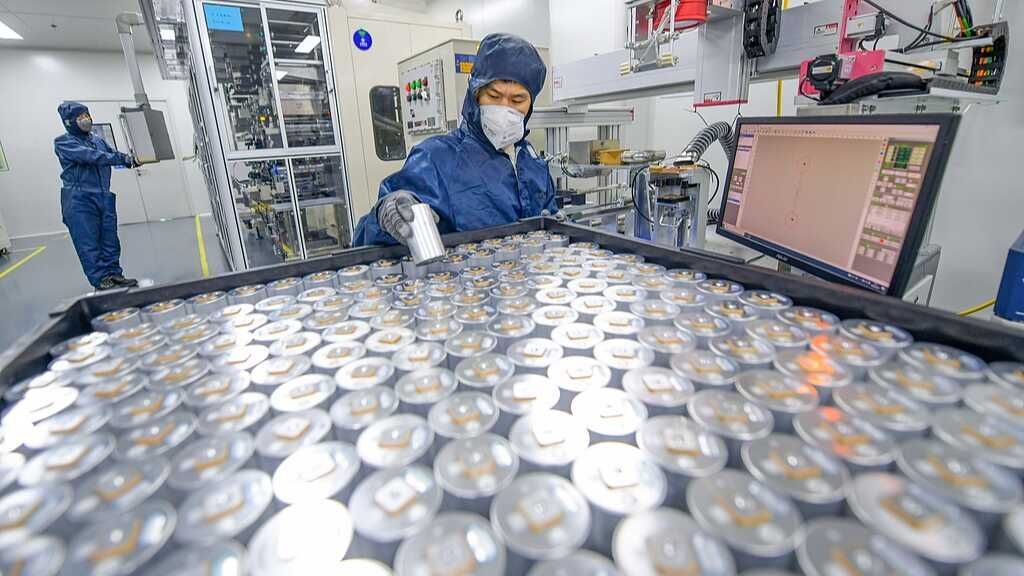
I thought sodium batteries had considerably less energy density than conventional? Is that not a problem anymore? If that hasn’t been solved, I don’t see how this helps make EVs safer.
They indeed have less energy density, but I don’t get your point about less safety.
They work better in high and low temperatures, can be charged a lot faster and don’t degrade as fast. Sodium isn’t as reactive as Lithium, lowering the risk of fires.
My point is that if they have less energy density, they aren’t a particularity great choice for EVs, as the increased battery size to get the same capacity makes the whole thing much heavier, requiring even more battery to move it.
I guess for like short range vehicles, it might be fine, but at least around here, thats gunna be a pretty tough sell, because everything is spread out.
It can’t really make EVs safer if its not being used for them due to the drawbacks, is all.
ICE engines use a bunch of physical space for accessory components related to the engine. Li-ion powered e-cars reclaimed a ton of that space (i.e. Tesla has a frunk)
Perhaps next using a bit more space for a less dense sodium battery in exchange for a vehicle that is 0% explodable is a worthy trade (if claims are true).
Battery density is energy per kilos. The problem is not only were to put the battery, but also the added weight.
Leave the weight as is, accept lower range which is offset by faster charging speeds. Or just buy a car with a lithium battery if you cannot accept this.
We have faster charging speeds with lithium today, 800v cars that can charge at 300KW+ have been on the market for half a decade, BYD has launched cars that can charge at 2-3x that speed. The charging infrastructure is the bottleneck there, even if all new cars could charge at those speeds it wouldn’t mean much because hardly any chargers can support it.
Besides it’s almost moot, most EV owners aren’t charging via fast chargers like you would fill up an ICE car, they’re charging at home at much cheaper rates and only using fast chargers for particularly long trips.
Exactly. Fast charging is for long trips.
Same compromise I made when I bought the base range version of my car with LFP chemistry. But I would not go lower in range than that. LFP is already much safer than any gasoline engine. I would like sodium just for the reliable range on low temperatures. Probably in the next years we will reach comparable density for sodium.
The issue with that is that your range at least needs to make it between charging stations on the highway to be a realistic choice for many people. That might not be a problem in major corridors, but in sparser areas like the US midwest, it’s a legitimate concern.
Doesn’t mean Na+ is bad, it’s just a young technology. In the next few years I expect to see the energy density increasing rapidly.
Putting part of the battery in the front, in the crash zone, is going to reduce safety, not improve it.
One of the main things that improved EV safety over ICE cars is the frunk itself. By removing that massive engine from the front and replacing it with a crumple zone, the car becomes much safer in front impacts.
Do you have a source for that or is it just a conclusion you reached?
The reason I ask is that I vaguelly remember of seeing somewhere that the way the front of modern ICE cars is designed makes the engine literally fall when a high-speed frontal collision happens exactly so that the front can act as a crumple zone rather than the engine being pushed inside the passenger compartment. That being so, things aren’t quite as simple as you say and I think we need actual real world test results showing that difference in safety rather than mere expectations extrapolated from superficial knowleged about cars.
I looked it up. 2022 IIHS crash tests showed the Tesla model 3 as being much safer in front impacts.
Modern cars may make the engine fall in a crash, but it’s still better not to have that mass there in the first place. Having said that, the safety advantages of a frunk may be reduced if you have a bunch of heavy cargo in there.
The safest car is the one that crashes less.
https://www.forbes.com/sites/stevebanker/2025/02/11/tesla-again-has-the-highest-accident-rate-of-any-auto-brand/
Maybe try reading what you try to use as a point against them?
Its like the BMW drivers are dicks, not that the car isnt safe.
AP accidents happen because idiots do things like keep the foot on the accelerator while fumbling their phone and trying to get it from the footwell or just dont pay attention. DONT BE THAT PERSON.
Edit: to add, if you’re an idiot who already uses their phone while driving, I do believe that they are likely being even bigger idiots when they have something like AP, but these people were always using their phones while driving. It might even attract them to it and bring more idiots than usual to any specific brand.
Who wants a more front-heavy car? That’s just a recipe for understeer and I prefer having the ability to turn on ice.
Is frunk what elon rebranded his fupa? His fat upper penis area?
I guess they suggested, that the batteries won’t be used in EVs, as long as their capacity is significantly lower.
I recall reading the same.
Sodium batteries make loads of sense for house batteries like solar storage.
They should be the default for solar installations and grid-level storage, but are too new.
They can also replace lead-acid batteries for many applications.
Lithium will still rule microelectronics and wearables, but all lower density stuff should switch to sodium.
That being said, for cold environments like Scandinavia and the US Midwest & canada, sodium ion works better in both cold and heat swings than Lithium variants that it might be worth the tradeoff in capacity because in the long cold months, the reduced capacity and performance of lithium chemistries would completely close the gap anyways.
What ever happened to flow batteries? They were supposed to be the really cheap low density option for grid storage.
I would love this for my home, as well as at a smaller scale for my homelab, and even potentially things like power tools.
Just recently a friend doing a home reno project had one of their drill batteries achieve thermal runaway, fortunately while they were home. Made me really think twice about the pile of tools in my garage.
I’d trade in just about every portable-scale Li-ion battery I own for a slightly less energy dense but safer alternative.
I was hoping eBike could use them. I’ve seen one too many of those go up. Possibly from shoddy 3rd party batteries.
Sodium chemistry works in cold temps, lithium does not.
They have considerably less energy density yes, but that was also the case for LFP batteries in the past.
LFP batteries have improved now though over the years and can now go quite reasonable distances, making the more expensive higher energy density batteries like NCM only needed for the longer range or performance variants.
The same should happen to the sodium based batteries, and LFP will eventually get to the point of the longer range types in the future.
Eventually, the range of the higher density types won’t be needed, and they’ll simply start including fewer cells of them to get the sweet point range which will then bring their costs / weight down when compared to lower density types, but it’s possible by that point maybe the lower density types simply dominate due to their general lesser cost?
All of this of course assuming something like solid state batteries don’t have their breakthrough low cost long lifespan moment.
Yea but if it’s half the price people are willing to put up with a lot of inconveniences.
Idk about that. Electric cars have been half the price to drive and people still buy gas cars due to the ‘inconvenience’ of long charge times on road trips.
I think lot of people not too serious about buying electric dont really understand the savings either.
They see a bigger monthly payment and dont account for how much in gas they’ll pay, plus some of the extra more immediate maintenance like oil changes. Its harder to think about the longer term maintenance though.
And no amount of performance improvements is going to change the minds of those people. Either they’ll finally try electric and realize how great they are or eventually die out. Either way ICE is going to be the oddity one day.