True, but getting there probably involves using Rosetta 2 to arrive at a solution for taking full advantage of the Apple Silicon SoC memory exchanges and other Apple proprietary stuff. Those chips aren’t bog-standard ARM chips and the Asahi Project (bless their hearts) have barely broken into the M3 chips— so… if OpenAI are leveraging Apple Silicon from the last year or 2, they’re building out their own solution using Rosetta as some sort of bridge.
Edit: which also means they must be getting help from Apple directly, ew. And that really pisses me off, because I have long maintained that Rosetta should be open-sourced.
I don’t understand why Rosetta has to be involved in any way at all.
Apple provides APIs for programming low level GPU instructions, including AI workloads, on their chips, using the Metal API. Anyone interested in using Apple hardware to its full potential can just write Mac-native software, same as any other MacOS native software directly compiled as binaries to run on Mac M series chips. No Rosetta required for translating x86 instructions to ARM, when the whole thing compiles for Apple’s native instructions in the first place.
What does Rosetta have anything to do with what OpenAI needs? Machine learning on Macs is done in MLX or something else with Metal, running OSX. Most agenic frameworks or other ML-related infrastructure are just Python, or open code that can compile on OSX/Macs just fine. In fact, OSX is often the first target platform.
This even includes inter-node frameworks for clustering Macs together.
No one doing “AI” on Macs is using Rosetta. There’s no point, and its a bad idea. They’re doing everything in OSX, which works fine, and I can’t imagine what OpenAI would be doing with them that wouldn’t work in OSX.
But maybe I’m missing what you’re implying here. And I’m sorry to come off as thorny, but condescending comments like “I’m not here to teach a computer science class” rub me the wrong way.


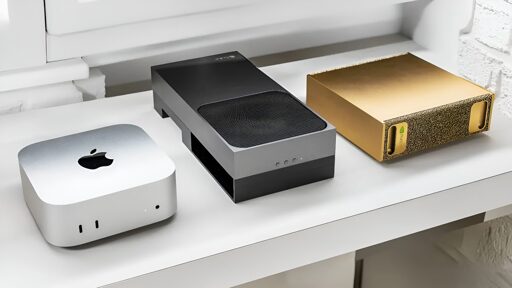
True, but getting there probably involves using Rosetta 2 to arrive at a solution for taking full advantage of the Apple Silicon SoC memory exchanges and other Apple proprietary stuff. Those chips aren’t bog-standard ARM chips and the Asahi Project (bless their hearts) have barely broken into the M3 chips— so… if OpenAI are leveraging Apple Silicon from the last year or 2, they’re building out their own solution using Rosetta as some sort of bridge.
Edit: which also means they must be getting help from Apple directly, ew. And that really pisses me off, because I have long maintained that Rosetta should be open-sourced.
I don’t understand why Rosetta has to be involved in any way at all.
Apple provides APIs for programming low level GPU instructions, including AI workloads, on their chips, using the Metal API. Anyone interested in using Apple hardware to its full potential can just write Mac-native software, same as any other MacOS native software directly compiled as binaries to run on Mac M series chips. No Rosetta required for translating x86 instructions to ARM, when the whole thing compiles for Apple’s native instructions in the first place.
Uhh, you’re skipping a few steps
Steps that either would not work between architectures or that Rosetta would handle (thereby answering your own question)
And I’m not here to teach a computer science class
No, @[email protected] is right.
What does Rosetta have anything to do with what OpenAI needs? Machine learning on Macs is done in MLX or something else with Metal, running OSX. Most agenic frameworks or other ML-related infrastructure are just Python, or open code that can compile on OSX/Macs just fine. In fact, OSX is often the first target platform.
This even includes inter-node frameworks for clustering Macs together.
No one doing “AI” on Macs is using Rosetta. There’s no point, and its a bad idea. They’re doing everything in OSX, which works fine, and I can’t imagine what OpenAI would be doing with them that wouldn’t work in OSX.
But maybe I’m missing what you’re implying here. And I’m sorry to come off as thorny, but condescending comments like “I’m not here to teach a computer science class” rub me the wrong way.
If you don’t know, then you are really not in a position to say that I’m wrong LMAO
Have fun with your little “my ignorance is proof that I’m right!” concept, lol
Oh, and the fact that you even brought “AI” into the conversation is hilarious
The two of you should get together and do a stand-up routine called “I and O my God I have no idea what I’m talking about”
You didn’t answer my question.
What does rosetta have to do with any of this?
What? They would compile the code that they control for the M-series architectures. The target architecture is M-series ARM chips running on MacOS.
Rosetta is for translating x86 to ARM. Which wouldn’t be necessary because there are no x86 binaries involved at all.