None of this is exclusive to Valve. Yeah, people can technically buy hardware and sell it, but they can also gift games or whatever and people were already using third party websites to sell their items for cash.
And MMOs with random drops have historically always had an RMT market that is against the TOS where people sell in game currency or items for real currency.
I’m not saying that valve should be let off the hook when it comes to loot boxes, but this lawsuit kind of stinks because it is all over the place and again, valve isn’t the worst example of what they describe.
The fact that it’s framed as “protecting children” and claims that valve is intentionally targeting children despite the games in question being rated M and old enough that I seriously doubt there are that many minors playing is putting a ton of red flags up for me. They also add the 90s era “violent video game” rhetoric that was always nonsense.
The conspiracy part of me thinks this is going to eventually lead to more age verification BS and they are targeting valve because it is the only company that is complying in a way that still protects user privacy.
None of this is exclusive to Valve. Yeah, people can technically buy hardware and sell it, but they can also gift games or whatever and people were already using third party websites to sell their items for cash.
Lootboxes are not specific to Valve, but the way Valve has implemented lootboxes is very distinct. And I know that third party sites have been selling the skins for cash for years at this point, but that has been happening outside Valve’s ecosystem. IMO Valve should’ve been held accountable for that years ago but so far they’ve been able to skirt the law.
And MMOs with random drops have historically always had an RMT market that is against the TOS where people sell in game currency or items for real currency.
Which is part of why I said the way Valve does things unique to Valve, because Valve does (for the most part) offer the infrastructure for all the trading except for turning Steam credit back into real money. IMO RMT shouldn’t exist either but that is not something you legally push onto developer because like you said, it is against the TOS so players are doing something the developer has already said they shouldn’t be doing.
I’m not saying that valve should be let off the hook when it comes to loot boxes, but this lawsuit kind of stinks because it is all over the place and again, valve isn’t the worst example of what they describe.
Valve isn’t the worst example but they are one of the few companies where there’s now some legal ground to go after the gambling, and when it comes to gambling Valve is a pretty big player. Ideally we should go after all of these companies but what is morally right and legally right doesn’t really match when it comes to gambling.
The fact that it’s framed as “protecting children” and claims that valve is intentionally targeting children despite the games in question being rated M and old enough that I seriously doubt there are that many minors playing is putting a ton of red flags up for me. They also add the 90s era “violent video game” rhetoric that was always nonsense.
I could see where you’re coming from but I personally didn’t see the lawsuit this way. Children are a point to bring up because we shouldn’t be normalizing gambling for children, but overall I see the suit as taking an issue with the gambling aspect of the lootboxes. We don’t know the exact number of minors playing but there’s enough for them to get into the competitive scene of CS, there are players who entered T1 of CS while still being minors.
Not sure from where you’re taking the violent video game rhetoric as I didn’t notice that in the actual lawsuit.
The conspiracy part of me thinks this is going to eventually lead to more age verification BS and they are targeting valve because it is the only company that is complying in a way that still protects user privacy.
I get the risk of pushing more age verification BS but I think that’s unavoidable when companies decide to get into gambling. Age verification for gambling has been around before the world wide web was even a thing. I see this more as playing hardball by stating that if Valve wants to partake in gambling then gambling laws should apply to Valve. They can’t legally force Valve to implement age verification unless Valve decides to double down on the gambling. Valve could just as easily prevent age verification by removing gambling from their platform. I don’t think Valve should get a free pass on gambling just because there’s a risk of someone malicious trying to push age verification through this door. Valve opened that door when they decided to implement gambling.
The point is that this is not the first time that Valve has been singled out for things widely done across the industry and they’ve also been falsely accused of doing things that the rest of the industry is doing.
If they wanted to go after Valve specifically for gambling they should not have linked it to kids. It’s invoking “think of the children” BS while diluting what they claim is the core argument.
Gambling is also harmful for adults. They are M rated games. If a child is playing the game that is a parental issue, not a state issue. It’s not illegal for kids to play M rated games, nor do I really think it should be as that is something parents should decide. The issue is that a lot, if not most, parents have no idea what their kids are doing online.
The argument that “mostly kids play these games” is unsubstantiated at best. Might have been true in the 90s and early 2000s, but there are people in their 50’s that have played games for the majority of their lives.
Also, PC gaming tends to skew older. They might have more of an argument if they were talking about Call of Duty on a console, but an M rated game is still not targeted to that age group.
Again, if they want to go after Vavle for gambling, then do that. But they are jumping around with what exactly the accusation is which makes it seem like they are grasping at straws at best or trying to hide the real reason at worst.
That we have all the age verification crap happening at the same time is too much of a coincidence to ignore. Like, How about going after anyone implicated from the files if you really want to protect children? They can come back to this after they develop a coherent argument and include any other gaming companies doing the same thing.
I don’t care how “unique” anyone claims valve’s situation is. Paid loot boxes are gambling across the board. The claim that people can buy hardware to resell for cash is irrelevant to that.
The point is that this is not the first time that Valve has been singled out for things widely done across the industry and they’ve also been falsely accused of doing things that the rest of the industry is doing.
I don’t see how that’s relevant. If someone is innocent the 99 times they’ve been accused of a crime we shouldn’t give them a pass on the 100th accusation.
If they wanted to go after Valve specifically for gambling they should not have linked it to kids. It’s invoking “think of the children” BS while diluting what they claim is the core argument.
But it is an argument to be made when a) kids are playing a game with gambling (which they are), b) there’s clear evidence that kids experiencing gambling has a negative impact on their life (which the lawsuit also clearly cites) and c) children gambling is illegal.
Gambling is also harmful for adults. They are M rated games. If a child is playing the game that is a parental issue, not a state issue. It’s not illegal for kids to play M rated games, nor do I really think it should be as that is something parents should decide. The issue is that a lot, if not most, parents have no idea what their kids are doing online.
Gambling is also harmful for adults, but that has been legalized. Children playing an M rated game is a parental issue but that’s not the argument that’s being made. But it turns into a legal issue when the game children are playing is gambling.
The argument that “mostly kids play these games” is unsubstantiated at best. Might have been true in the 90s and early 2000s, but there are people in their 50’s that have played games for the majority of their lives.
I didn’t see them making that argument. I saw them make an argument that teenagers are a core audience for CS.
Teenage boys are a core audience of first-person shooter games like Counter-Strike. It is also well known that many of the most famous esports players of CS 2, Dota 2, and Team Fortress 2 began playing well before they turned 13. Over half of the 22 players on the top five Counter-Strike esports academy teams are 18 years old or younger, and the youngest member is just 14 years old.
That seems to be pretty well argumented especially when you know the competitive scene of CS where those same academy teams have slotted straight into T1 CS. The fact that there are so many talented players in the competitive scene who either are or were minors a few years ago means that there is a big enough teenage audience to have such talent rise to the top.
Also, PC gaming tends to skew older. They might have more of an argument if they were talking about Call of Duty on a console, but an M rated game is still not targeted to that age group.
You don’t see the irony of defending Valve with their games being M rated and then saying it would be different if it was Call of Duty, which is also an M rated game? By your own logic you should be just as opposed to them talking about Call of Duty as they are talking about Counter Strike.
Again, if they want to go after Vavle for gambling, then do that. But they are jumping around with what exactly the accusation is which makes it seem like they are grasping at straws at best or trying to hide the real reason at worst.
They are and they’re making arguments where Valve would be breaking the law if Valve is gambling. That includes letting children gamble.
That we have all the age verification crap happening at the same time is too much of a coincidence to ignore. Like, How about going after anyone implicated from the files if you really want to protect children? They can come back to this after they develop a coherent argument and include any other gaming companies doing the same thing.
They can’t legally force Valve to implement age verification unless Valve decides to double down on the gambling. Valve could just as easily prevent age verification by removing gambling from their platform. I don’t think Valve should get a free pass on gambling just because there’s a risk of someone malicious trying to push age verification through this door. Valve opened that door when they decided to implement gambling.
They have a coherent argument, it’s just an argument you don’t like and they can’t include other gaming companies in this lawsuit because other gaming companies are not doing it the exact same way Valve is doing it. What you’re saying is that we should give Valve a pass on allegedly breaking the law because we can’t accuse all companies who may or may not be breaking the law. If there’s a gangrape and only 1 of the 5 rapists could be proven guilty should they get a free pass because we can’t prove all 5 did the raping? Because that’s the argument you’re making.


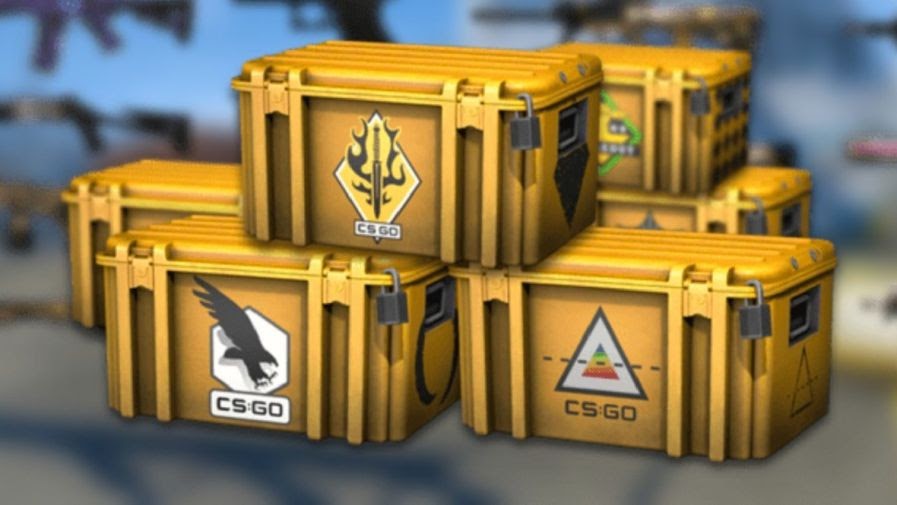
None of this is exclusive to Valve. Yeah, people can technically buy hardware and sell it, but they can also gift games or whatever and people were already using third party websites to sell their items for cash.
And MMOs with random drops have historically always had an RMT market that is against the TOS where people sell in game currency or items for real currency.
I’m not saying that valve should be let off the hook when it comes to loot boxes, but this lawsuit kind of stinks because it is all over the place and again, valve isn’t the worst example of what they describe.
The fact that it’s framed as “protecting children” and claims that valve is intentionally targeting children despite the games in question being rated M and old enough that I seriously doubt there are that many minors playing is putting a ton of red flags up for me. They also add the 90s era “violent video game” rhetoric that was always nonsense.
The conspiracy part of me thinks this is going to eventually lead to more age verification BS and they are targeting valve because it is the only company that is complying in a way that still protects user privacy.
Lootboxes are not specific to Valve, but the way Valve has implemented lootboxes is very distinct. And I know that third party sites have been selling the skins for cash for years at this point, but that has been happening outside Valve’s ecosystem. IMO Valve should’ve been held accountable for that years ago but so far they’ve been able to skirt the law.
Which is part of why I said the way Valve does things unique to Valve, because Valve does (for the most part) offer the infrastructure for all the trading except for turning Steam credit back into real money. IMO RMT shouldn’t exist either but that is not something you legally push onto developer because like you said, it is against the TOS so players are doing something the developer has already said they shouldn’t be doing.
Valve isn’t the worst example but they are one of the few companies where there’s now some legal ground to go after the gambling, and when it comes to gambling Valve is a pretty big player. Ideally we should go after all of these companies but what is morally right and legally right doesn’t really match when it comes to gambling.
I could see where you’re coming from but I personally didn’t see the lawsuit this way. Children are a point to bring up because we shouldn’t be normalizing gambling for children, but overall I see the suit as taking an issue with the gambling aspect of the lootboxes. We don’t know the exact number of minors playing but there’s enough for them to get into the competitive scene of CS, there are players who entered T1 of CS while still being minors.
Not sure from where you’re taking the violent video game rhetoric as I didn’t notice that in the actual lawsuit.
I get the risk of pushing more age verification BS but I think that’s unavoidable when companies decide to get into gambling. Age verification for gambling has been around before the world wide web was even a thing. I see this more as playing hardball by stating that if Valve wants to partake in gambling then gambling laws should apply to Valve. They can’t legally force Valve to implement age verification unless Valve decides to double down on the gambling. Valve could just as easily prevent age verification by removing gambling from their platform. I don’t think Valve should get a free pass on gambling just because there’s a risk of someone malicious trying to push age verification through this door. Valve opened that door when they decided to implement gambling.
The point is that this is not the first time that Valve has been singled out for things widely done across the industry and they’ve also been falsely accused of doing things that the rest of the industry is doing.
If they wanted to go after Valve specifically for gambling they should not have linked it to kids. It’s invoking “think of the children” BS while diluting what they claim is the core argument.
Gambling is also harmful for adults. They are M rated games. If a child is playing the game that is a parental issue, not a state issue. It’s not illegal for kids to play M rated games, nor do I really think it should be as that is something parents should decide. The issue is that a lot, if not most, parents have no idea what their kids are doing online.
The argument that “mostly kids play these games” is unsubstantiated at best. Might have been true in the 90s and early 2000s, but there are people in their 50’s that have played games for the majority of their lives.
Also, PC gaming tends to skew older. They might have more of an argument if they were talking about Call of Duty on a console, but an M rated game is still not targeted to that age group.
Again, if they want to go after Vavle for gambling, then do that. But they are jumping around with what exactly the accusation is which makes it seem like they are grasping at straws at best or trying to hide the real reason at worst.
That we have all the age verification crap happening at the same time is too much of a coincidence to ignore. Like, How about going after anyone implicated from the files if you really want to protect children? They can come back to this after they develop a coherent argument and include any other gaming companies doing the same thing.
I don’t care how “unique” anyone claims valve’s situation is. Paid loot boxes are gambling across the board. The claim that people can buy hardware to resell for cash is irrelevant to that.
I don’t see how that’s relevant. If someone is innocent the 99 times they’ve been accused of a crime we shouldn’t give them a pass on the 100th accusation.
But it is an argument to be made when a) kids are playing a game with gambling (which they are), b) there’s clear evidence that kids experiencing gambling has a negative impact on their life (which the lawsuit also clearly cites) and c) children gambling is illegal.
Gambling is also harmful for adults, but that has been legalized. Children playing an M rated game is a parental issue but that’s not the argument that’s being made. But it turns into a legal issue when the game children are playing is gambling.
I didn’t see them making that argument. I saw them make an argument that teenagers are a core audience for CS.
That seems to be pretty well argumented especially when you know the competitive scene of CS where those same academy teams have slotted straight into T1 CS. The fact that there are so many talented players in the competitive scene who either are or were minors a few years ago means that there is a big enough teenage audience to have such talent rise to the top.
You don’t see the irony of defending Valve with their games being M rated and then saying it would be different if it was Call of Duty, which is also an M rated game? By your own logic you should be just as opposed to them talking about Call of Duty as they are talking about Counter Strike.
They are and they’re making arguments where Valve would be breaking the law if Valve is gambling. That includes letting children gamble.
They can’t legally force Valve to implement age verification unless Valve decides to double down on the gambling. Valve could just as easily prevent age verification by removing gambling from their platform. I don’t think Valve should get a free pass on gambling just because there’s a risk of someone malicious trying to push age verification through this door. Valve opened that door when they decided to implement gambling.
They have a coherent argument, it’s just an argument you don’t like and they can’t include other gaming companies in this lawsuit because other gaming companies are not doing it the exact same way Valve is doing it. What you’re saying is that we should give Valve a pass on allegedly breaking the law because we can’t accuse all companies who may or may not be breaking the law. If there’s a gangrape and only 1 of the 5 rapists could be proven guilty should they get a free pass because we can’t prove all 5 did the raping? Because that’s the argument you’re making.