No. AI workloads benefit from SSD’s high random read/write performance. Also, I guess, more people starting using SSDs for paging/swap, as RAM prices skyrocketed.
This resulted in an SSD shortage immediately after RAM starting getting expensive. Which in turn caused an HDD shortage, because people need space to store their data.
I don’t even know what they’re using the SSDs for.
Most businesses are too stupid to train their own models from scratch, and won’t use “foreign” ones so they won’t finetune them either.
On the inference side… SSDs aren’t used for much. Just storing Docker stuff/dependencies and model weights for the initial load, and that’s it. Maybe some data for bulk processing, but that’s no different than existing software. The one niche may be KV cache swapping for re-using prompt prefixes, but this is limited and being obsoleted by new attention mechanism.
So WTF do they even need SSDs and HDDs for? Honestly it feels like FOMO purchasing.
SSDs are electronic, while HDDs are mechanical. This means that moving memory regions (pages) between system RAM and the storage requires:
physical moves, in the case of HDD
accessing a different region of the chips, in the case of SSD
Imagine a scenario in which completely unrelated data access requests floods your storage drive. An HDD needs to constantly realign its needle to the requested locations, while the SSD can just re-route its data lines to that location.


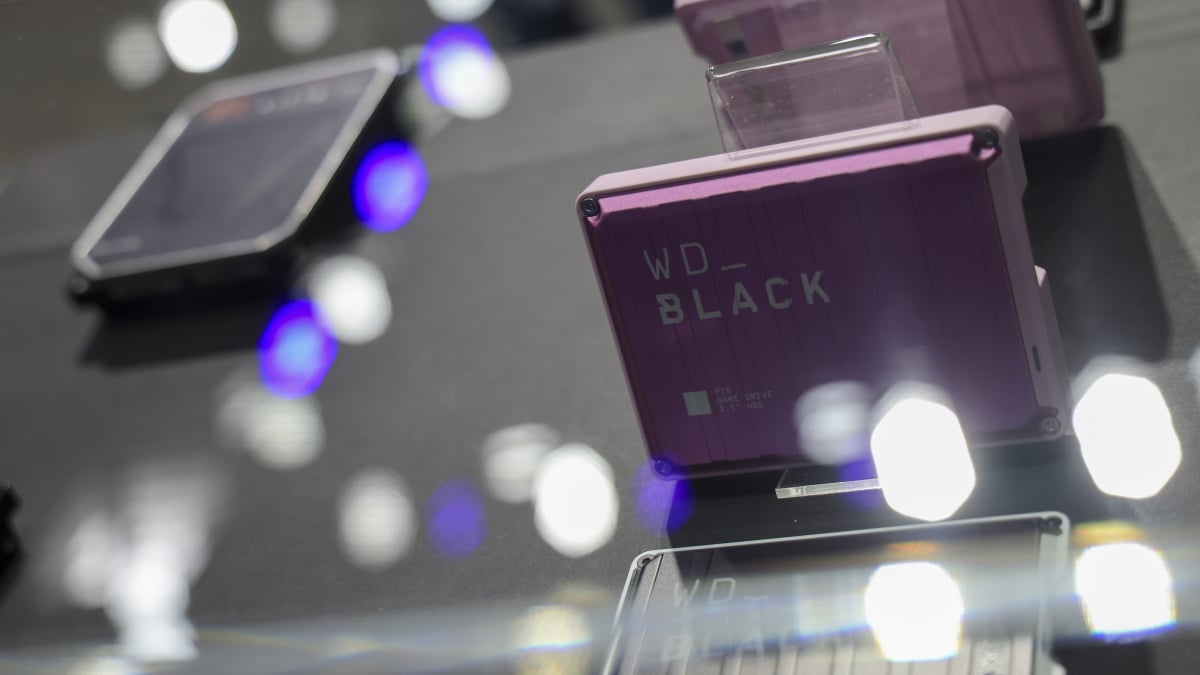
What about SSDs?
You’re gonna need to sit down for me to tell you about NAND prices
Ask yourself why the AI industry turned to HDDs
Same as everyone else? Because it’s a more cost-effective way of storing data?
No. AI workloads benefit from SSD’s high random read/write performance. Also, I guess, more people starting using SSDs for paging/swap, as RAM prices skyrocketed.
This resulted in an SSD shortage immediately after RAM starting getting expensive. Which in turn caused an HDD shortage, because people need space to store their data.
I don’t even know what they’re using the SSDs for.
Most businesses are too stupid to train their own models from scratch, and won’t use “foreign” ones so they won’t finetune them either.
On the inference side… SSDs aren’t used for much. Just storing Docker stuff/dependencies and model weights for the initial load, and that’s it. Maybe some data for bulk processing, but that’s no different than existing software. The one niche may be KV cache swapping for re-using prompt prefixes, but this is limited and being obsoleted by new attention mechanism.
So WTF do they even need SSDs and HDDs for? Honestly it feels like FOMO purchasing.
Is SSD really more efficient for swap?
SSDs are way more efficient than HDDs for swap.
SSDs are electronic, while HDDs are mechanical. This means that moving memory regions (pages) between system RAM and the storage requires:
Imagine a scenario in which completely unrelated data access requests floods your storage drive. An HDD needs to constantly realign its needle to the requested locations, while the SSD can just re-route its data lines to that location.
Those prices have already been driven up. For 4 TB NVMe:
https://pcpartpicker.com/trends/price/internal-hard-drive/
Yes but are they sold out for the entirety of 2026?
No, but they are prohibitively expensive. Just like hdds will be.