I can get you one better. There won’t be car accidents if there aren’t any cars. Car free cities, or walkable cities are preferable. We don’t need safer drivers, we need more public transport.
Apology for hitting kids is wild. An expansion of services will only raise frequency of accidents. Waymo only works in pristine infrastructure conditions. As it moves away from these conditions, accidents will rise. Then we will understand if these technology is actually better than human drivers.
“We can’t stop killing children in the short term, so we are not gonnna do anything to stop the kid killing machine. To stop the kid killing machine would be a pipe dream. Instead, we have this automated machine that kills children, slower.”
That is a wild take, but the orphan crushing machine must keep churning, I suppose.
Self driving cars are the harm reduction we need in the short term so we can make the massive infrastructure changes that will achieve your long term goals.
Dismissing them as an option is saying that we should ignore things that help in the short term because they’re not a perfect solution.
If the goal is less people killed by motor vehicles, self-driving cars are a massive step forward.
Plus, there’s no reason that electric self-driving cars can’t be public transportation.
Traffic segregation, car free zones, public transport, lower speed limits, car size based taxing, stricter driver license conditions, three strike limitations, temporal license suspensions schemes, these are all measurements that would reduce car accidents just as much, and could be implemented within the next week anywhere at very low cost. It’s not a pipe dream, it’s a lack of political will.
It doesn’t take several billion dollars of R&D onto a tech that will never work outside of 1% of the road network and could actually not reduce cars accidents at all once it faces real world conditions.
If the goal is to reduce traffic accidents, this is the most expensive, slowest and inefficient way to do it.
EDIT: Autonomous driving will solve traffic and traffic deaths as much as EVs are going to solve global warning. They are plausible lies that techno oligarchs use to distract from the real causes of the problems they purport to solve and are actually just new money funnels for the oil industrial complex.


I can get you one better. There won’t be car accidents if there aren’t any cars. Car free cities, or walkable cities are preferable. We don’t need safer drivers, we need more public transport.
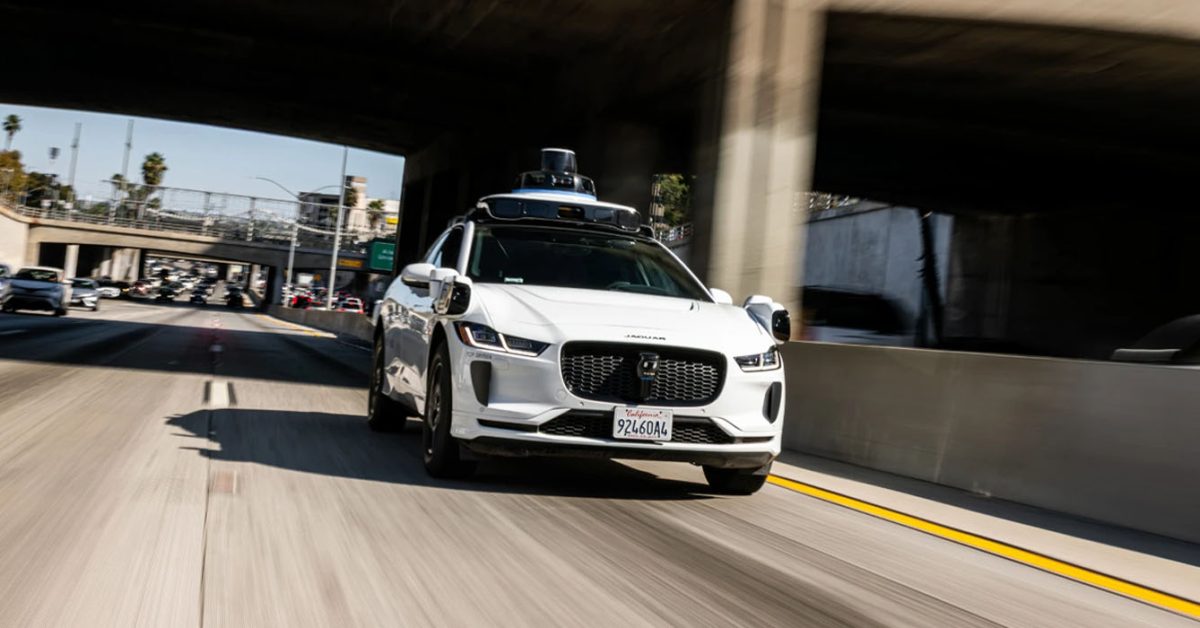
Apology for hitting kids is wild. An expansion of services will only raise frequency of accidents. Waymo only works in pristine infrastructure conditions. As it moves away from these conditions, accidents will rise. Then we will understand if these technology is actually better than human drivers.
That’s not even remotely achievable in the near term. It’s a nice pipe dream, though.
“We can’t stop killing children in the short term, so we are not gonnna do anything to stop the kid killing machine. To stop the kid killing machine would be a pipe dream. Instead, we have this automated machine that kills children, slower.”
That is a wild take, but the orphan crushing machine must keep churning, I suppose.
That’s actually your take, not mine.
Self driving cars are the harm reduction we need in the short term so we can make the massive infrastructure changes that will achieve your long term goals.
Dismissing them as an option is saying that we should ignore things that help in the short term because they’re not a perfect solution.
If the goal is less people killed by motor vehicles, self-driving cars are a massive step forward.
Plus, there’s no reason that electric self-driving cars can’t be public transportation.
Traffic segregation, car free zones, public transport, lower speed limits, car size based taxing, stricter driver license conditions, three strike limitations, temporal license suspensions schemes, these are all measurements that would reduce car accidents just as much, and could be implemented within the next week anywhere at very low cost. It’s not a pipe dream, it’s a lack of political will.
It doesn’t take several billion dollars of R&D onto a tech that will never work outside of 1% of the road network and could actually not reduce cars accidents at all once it faces real world conditions.
If the goal is to reduce traffic accidents, this is the most expensive, slowest and inefficient way to do it.
EDIT: Autonomous driving will solve traffic and traffic deaths as much as EVs are going to solve global warning. They are plausible lies that techno oligarchs use to distract from the real causes of the problems they purport to solve and are actually just new money funnels for the oil industrial complex.
Self driving taxi cabs are designed to prevent infrastructure changes.