“Now now, hold on, let’s see what the shareholders think about this.”
This is incredibly depressing, but also what if that’s bad for animals and bugs and stuff? Seems like it could cause serious problems all the way up the food chain.
If in a decade our biggest concern are taking care of biodiversity, I’m actually gonna be pretty happy
Taking care of biodiversity is already our biggest concern. If everything dies, so do we.
I meant more like, if the average human being has the capacity to actually care about biodiversity and the political power and will to do anything about it, and not like, fighting for survival in the water wars while dodging AI killbots
Maybe the ai killbots will find an interest in the bugs and biodiversity
A bit of a tautology.
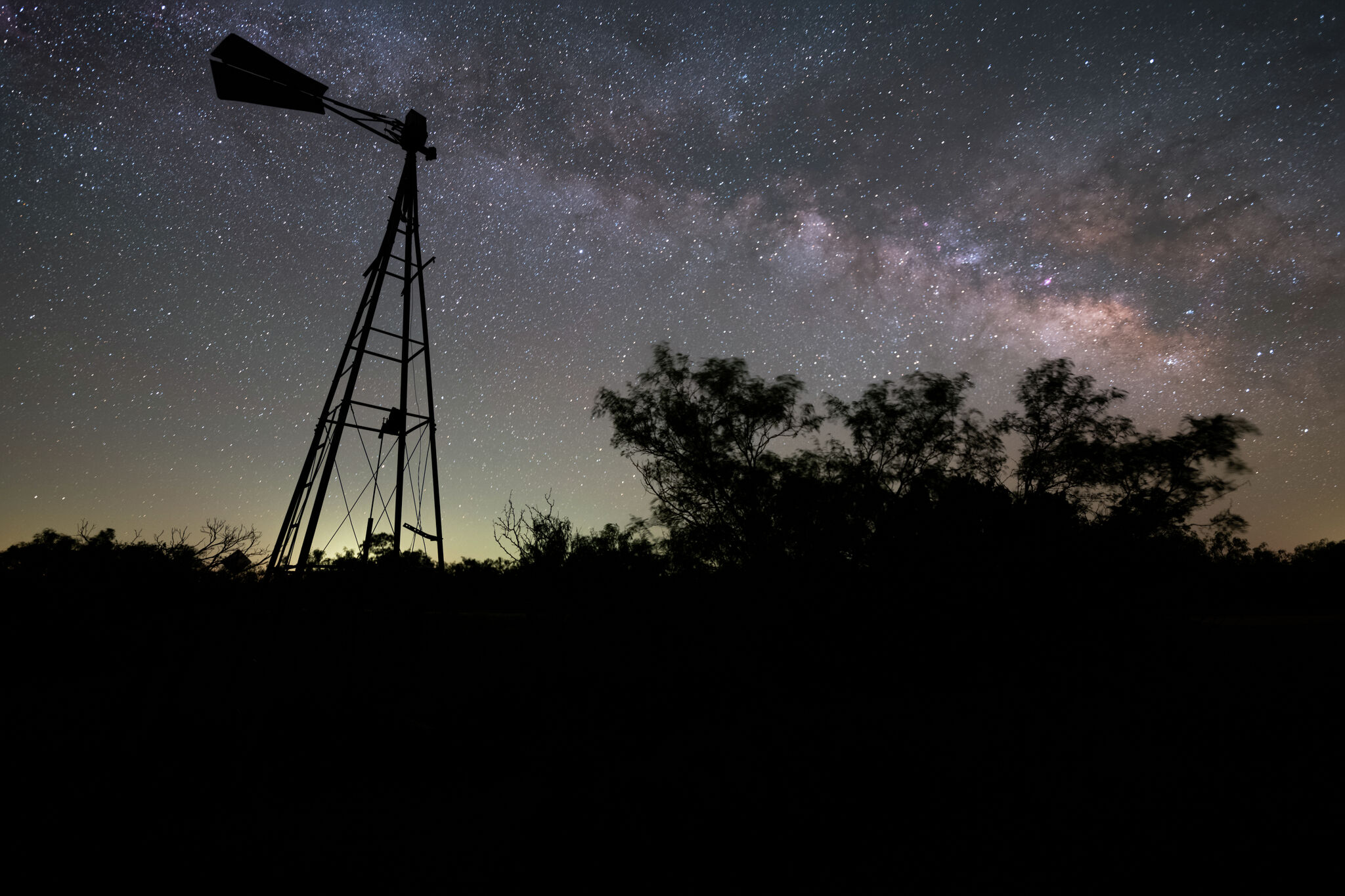
That is a nonsense statement. The vast majority of stars are already erased for the vast majority of humans. 57% live in cities, 80% live in urban areas. You’re lucky is you can see constellations in many cities, let alone the dimmer stars.
I’m not saying this isnt a problem, but this is possibly the worst framing of it that you can give.
The difference is, you can still go somewhere to see the stars. This guy is pointing out that you WON’T be able to do that because of satellites, where changing you’re own viewing area can’t effect that same change.
You seem to misunderstand the premise of this opinion article.
what the hell is this woke crap, everyone knows there’s just the one star, Tony Marcus tole me personally
By no means should we avoid the development of the space environment for human gain.
I don’t want to be a naysayer or Luddite (wait, who am I kidding?), but I hard disagree with that take. A space economy will get us nowhere. Yeah, sure, some interesting technology (arguably) came from the Apollo program, and NASA has done some amazing astronomy with JWST and Hubble. But, as with so many other aspects of modern life, the cost is far too great to society as a whole. The energy needed to get anything to or from orbit is enormous, and there is no way around that. The thing we need to curb climate change is reduction of energy usage in any form (driving, flying, electricity, ect.). This is even on top of other issues in rocketry like ozone layer depletion and the light pollution described above. As such, if climate change really is the greatest threat to humanity (which it is), putting anything into space is not a worthwhile venture.
Like any technology, doing it under capitalism is kinda the problem.
There’s no restraint being put up to do it in a way that’s actually FOR the people instead of for financial gain.
I think it can be worthwhile with lessened impact on the environment. Doing it the way we are with SpaceX launching a ton of cheap SATCOM satellites is BAD.