Something similar happened to Slovene Iskra Triglav computer which was quite advanced for the time (capable of running three different CPUs) but then caught in between US-Soviet cold war/embargo while trying to sell them to Soviet Union.
I’ve got a $1 linux embedded SoC that has a 64 bit riscv core, a 32 bit riscv core for running realtime stuff and a low power embedded 6502 on it too because why not.
OSX (now MacOS) was built and running on PowerPC and Intel for years before Intel Macs were released. I assume the same was true before they released the Apple silicon chips.
Yeah but they weren’t running both in the same device at the same time.
PPC -> Intel they just recompiled their OS and fixed it up for the x86 platform, then the same for Intel -> ARM
They did not have a laptop with an x86 processor and a PPC at the same time… though there are some hillariously bespoke accellerator cards from back in the day to do all sorts of strange things.
That said, laptops are full of microcontrollers with firmware, lots of those will be atmega, st32, 6502 and the like. Things like a WLAN or WAN card will be a little ARM soc of some flavour.
So it really depends on where you draw the line. If its executing the main workload, I’d say thats the CPU, everything else is a microcontroller enabling it to do that
Its actually not seperate cores, they’re RISCV or ARM, based on a switch. MilkV does that too with one of its chips. They’re mostly the same architecturally, theres something like 10% that gets enabled/disabled with each ISA selection.
The Socialist Republic of Slovenia was one of the six federal republics forming the Socialist Federal Republic of Yugoslavia, if you want to be technical about it.
Soviets did a lot to harm Eastern Block tech. Bulgarian Pravetz was a clone of Apple ][. Nothing impressive but cheap, functional, domestically produced. Can’t really be exported towards west due to blatant IP violations, but the production capabilities were good enough to produce and export hard drives.
Except the trade deal with Britain was blocked by Soviets because it was seen as a security threat, and an industry died in its infancy.
There’s another future where Yugoslavia is the birthplace of a free software movement, and homebuilt PCs lower the barrier of entry to anybody with some time on their hands, with software distributed by radio and powerline until the advent of internet.


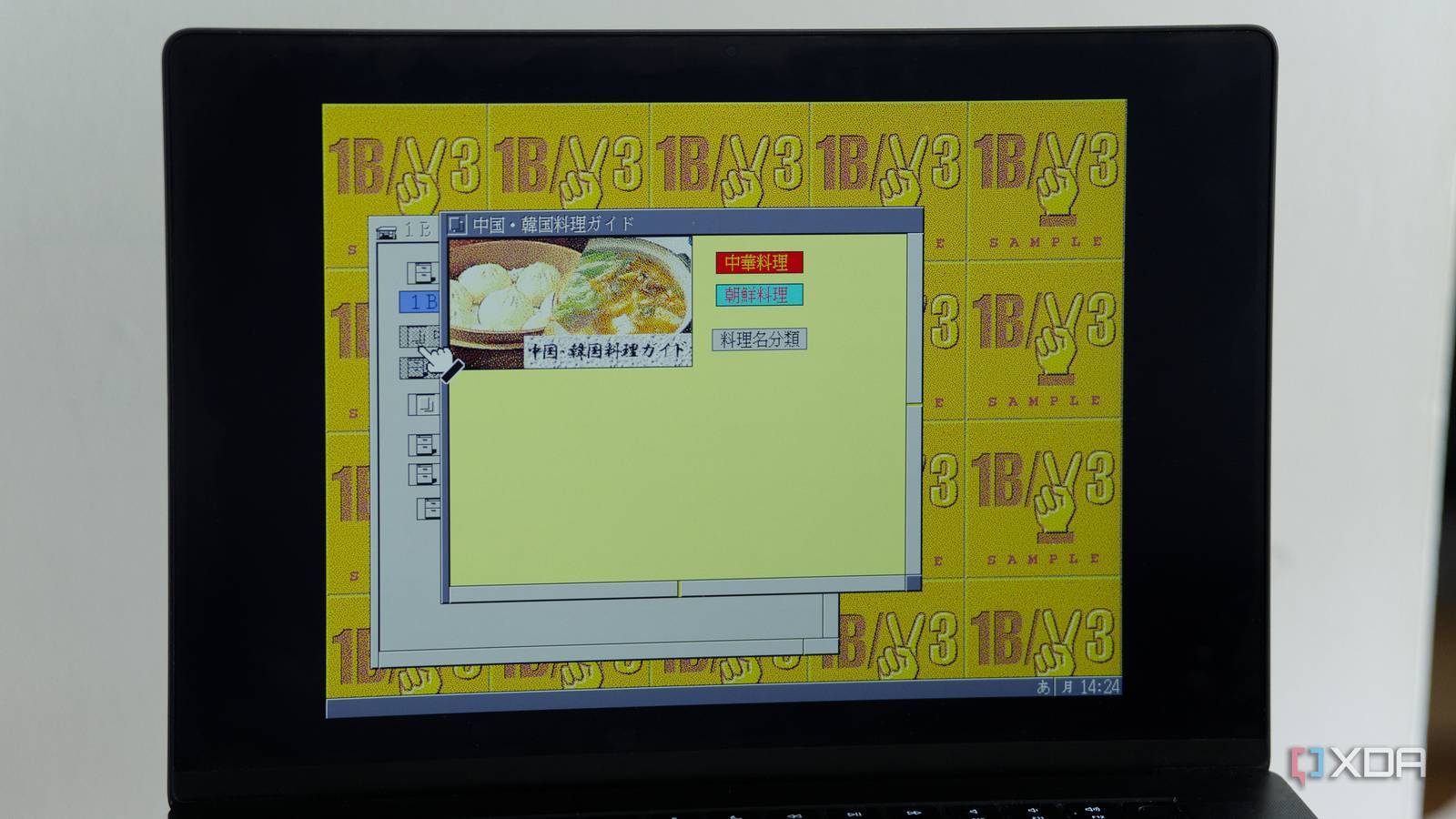
Something similar happened to Slovene Iskra Triglav computer which was quite advanced for the time (capable of running three different CPUs) but then caught in between US-Soviet cold war/embargo while trying to sell them to Soviet Union.
that computer sounds awesome, imagine something like this existed today(like a computer with a RISC-V,Arm64 and X86-64 CPU) .
Three CPUs with different architectures on one device sounds crazy. That’s amazing.
PS3 comes to mind
Though in embedded, thats fairly normal.
I’ve got a $1 linux embedded SoC that has a 64 bit riscv core, a 32 bit riscv core for running realtime stuff and a low power embedded 6502 on it too because why not.
OSX (now MacOS) was built and running on PowerPC and Intel for years before Intel Macs were released. I assume the same was true before they released the Apple silicon chips.
Yeah but they weren’t running both in the same device at the same time.
PPC -> Intel they just recompiled their OS and fixed it up for the x86 platform, then the same for Intel -> ARM
They did not have a laptop with an x86 processor and a PPC at the same time… though there are some hillariously bespoke accellerator cards from back in the day to do all sorts of strange things.
That said, laptops are full of microcontrollers with firmware, lots of those will be atmega, st32, 6502 and the like. Things like a WLAN or WAN card will be a little ARM soc of some flavour.
So it really depends on where you draw the line. If its executing the main workload, I’d say thats the CPU, everything else is a microcontroller enabling it to do that
Haha look at this dumbass, he thinks being stupid is aspirational.
Low effort. Try harder.
Hope he keeps going, I want to see how many he has…
Yeah, RP2350 in Raspberry Pi Pico 2 also has 2 ARM cores and 2 RISC-V cores.
Which reminds me, I purchased one a month ago to play around with as it has good documentation, yet I haven’t used it once so far.
Its actually not seperate cores, they’re RISCV or ARM, based on a switch. MilkV does that too with one of its chips. They’re mostly the same architecturally, theres something like 10% that gets enabled/disabled with each ISA selection.
Cool, which SoC?
SG2002/SG2000 and the CV1800B chips by MilkV
yugoslav.
slovenia wasn’t a country back then
The Socialist Republic of Slovenia was one of the six federal republics forming the Socialist Federal Republic of Yugoslavia, if you want to be technical about it.
Iskra Delta was a Slovene (republic) company, even within Yugoslavia. But if you nitpick, then technically it would be Yugoslavia as country.
Soviets did a lot to harm Eastern Block tech. Bulgarian Pravetz was a clone of Apple ][. Nothing impressive but cheap, functional, domestically produced. Can’t really be exported towards west due to blatant IP violations, but the production capabilities were good enough to produce and export hard drives.
Except the trade deal with Britain was blocked by Soviets because it was seen as a security threat, and an industry died in its infancy.
There’s another future where Yugoslavia is the birthplace of a free software movement, and homebuilt PCs lower the barrier of entry to anybody with some time on their hands, with software distributed by radio and powerline until the advent of internet.
Ah yes, I recently learned about Galaksija, it’s fascinating!