

- cross-posted to:
- [email protected]
- cross-posted to:
- [email protected]
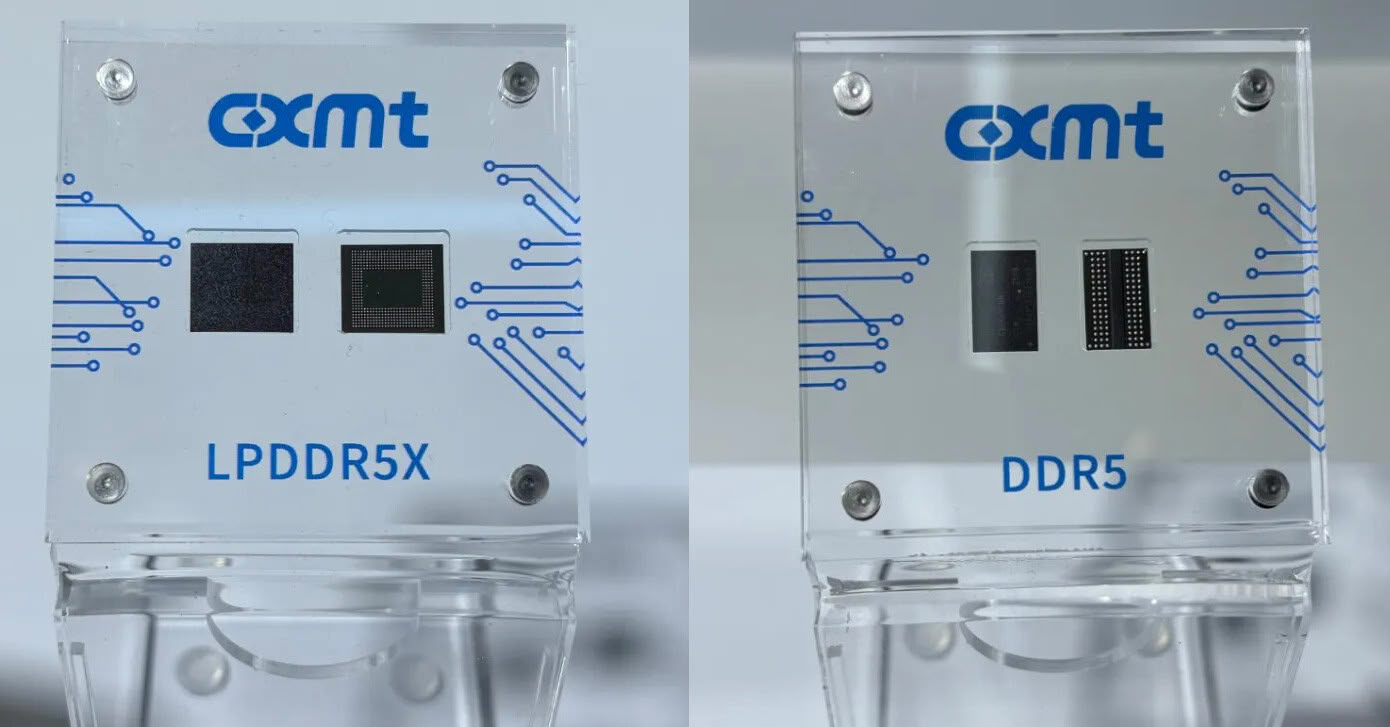
A particularly surprising discovery is that CXMT is constructing its cleanrooms—where the actual silicon is produced—in just around 12 months, whereas the rest of the DRAM manufacturing industry typically takes 21-24 months, nearly a full year longer.
Finally, the report notes that the Chinese government is encouraging CXMT to transfer its DRAM technology IP to other Chinese DRAM manufacturers such as JHICC, Swaysure, and YTMC’s subsidiary XMC. This initiative aims to alleviate memory shortages domestically before CAMT-designed DRAM enters other markets, such as the EU and possibly even the U.S.
Watch international* ram be banned like international* EVs
*Chinese
Ram prices would still fall since other countries would not ban it and would put less stress on the current supply that already exists.
Considering Micron is the only US manufacturer, and they no longer produce consumer ram, this would just mean you literally could not buy any electronics that relied on ram. I doubt that would happen. Chinese ram, maybe
They shut down their own consumer RAM brand, but did they shut down manufacturing of the chips themselves? I was under the impression they still sell to other brands
Didn’t this admin already warn Apple?
Most of the consumer dimms are made in Taiwan and Korea. Unless you’re in either of those countries an “international ban” would be a huge problem.
It’s better to use their weak labour standards to exploit their workers for low wages, rather than try to compete with those conditions directly.