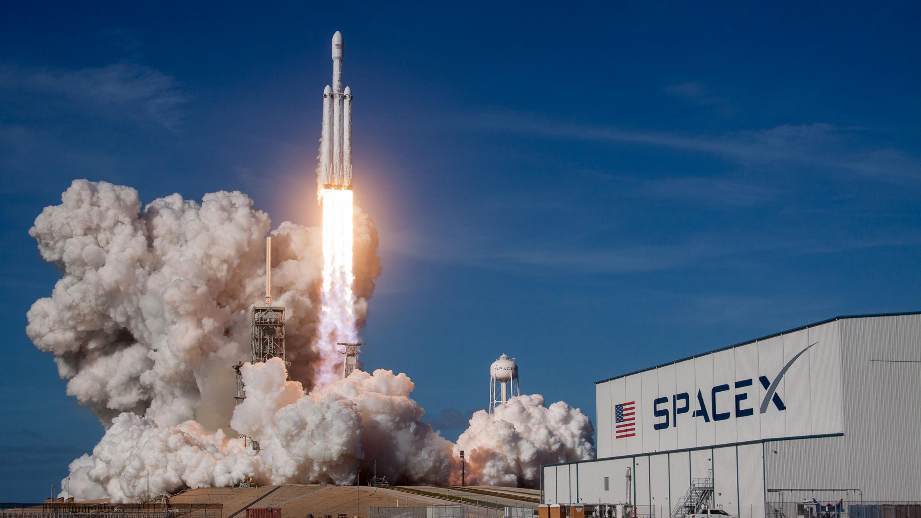
SpaceX shares crashed below the $135 IPO price, wiping out $1 trillion since June. A scrubbed Starship launch and upcoming investor lockups triggered the selloff.
It moves when other buy and sell yes, but think about elon holding the stock. He “lost billions” but no money moved. So in this case the money never existed.
The stock exists yes, but the money didn’t exist. It only exists one you loan out then money is “created” though fractional lending. No elon created trillions of cash, not hoarded.
There is two truths to this: not 100% of the company exchanged hands. The part that hasn’t changed hands only lost perceived value, no money has moved. The part that is exchanging hands is real people losing and winning real money.
So much of this is blogger brain, with people hearing rumors based on clickbait headlines, and having no idea how the money moved around.
The major index that bought into SpaceX on IPO day was the NASDAQ-100. S&P and DOW indexes have not yet included it.
While US ETFs currently own around $16 billion worth of the stock across 179 ETF products, that’s around 1% of the total market cap of the firm. The single largest shareholder - at around 44% of the market cap - is Elon himself. Another 20-odd% is owned by various private equity funds that are a whose-who of the modern tech sector - Google, Peter Thiel’s Founders Fund, Sequoia Capital, and Andreessen Horowitz - along with your standard assortment of Wall Street banks - Baillie Gifford, Baron Capital Group, T. Rowe Price, and Valor Equity Partners.
Nobody has actually cashed out yet, in any meaningful capacity. But because the stock slipped off it’s IPO high, we’re getting a bunch of screaming know-nothings who insist they’ve all been robbed.


It moves when other buy and sell yes, but think about elon holding the stock. He “lost billions” but no money moved. So in this case the money never existed.
If you can use it as collateral, then it exists just as much as a house or property does.
I dread to think what he managed to spend it on this past couple of months. Hopefully no more “judo lessons” on suspicious islands
The stock exists yes, but the money didn’t exist. It only exists one you loan out then money is “created” though fractional lending. No elon created trillions of cash, not hoarded.
There is two truths to this: not 100% of the company exchanged hands. The part that hasn’t changed hands only lost perceived value, no money has moved. The part that is exchanging hands is real people losing and winning real money.
So much of this is blogger brain, with people hearing rumors based on clickbait headlines, and having no idea how the money moved around.
The major index that bought into SpaceX on IPO day was the NASDAQ-100. S&P and DOW indexes have not yet included it.
While US ETFs currently own around $16 billion worth of the stock across 179 ETF products, that’s around 1% of the total market cap of the firm. The single largest shareholder - at around 44% of the market cap - is Elon himself. Another 20-odd% is owned by various private equity funds that are a whose-who of the modern tech sector - Google, Peter Thiel’s Founders Fund, Sequoia Capital, and Andreessen Horowitz - along with your standard assortment of Wall Street banks - Baillie Gifford, Baron Capital Group, T. Rowe Price, and Valor Equity Partners.
Nobody has actually cashed out yet, in any meaningful capacity. But because the stock slipped off it’s IPO high, we’re getting a bunch of screaming know-nothings who insist they’ve all been robbed.
Well put!