

bigots deserve to be houseless
Eliminating homelessness goes a long way towards curbing bigotry. It’s far easier to exploit and abuse folks with no permanent place to live. And our propaganda machine loves to pin problems produced by structural failures on the victims.
Once you house the homeless, a lot of the low hanging fruit of fascist agitation fades away. And a significant pool of young, uneducated, easily exploitable people are no longer in easy reach to radicalize.










How fast do you think bullets move?
You could make the same argument about train derailments or plane crashes.
That’s not what is at issue. Virtually nobody is seriously suggesting we de-industrialize transit.
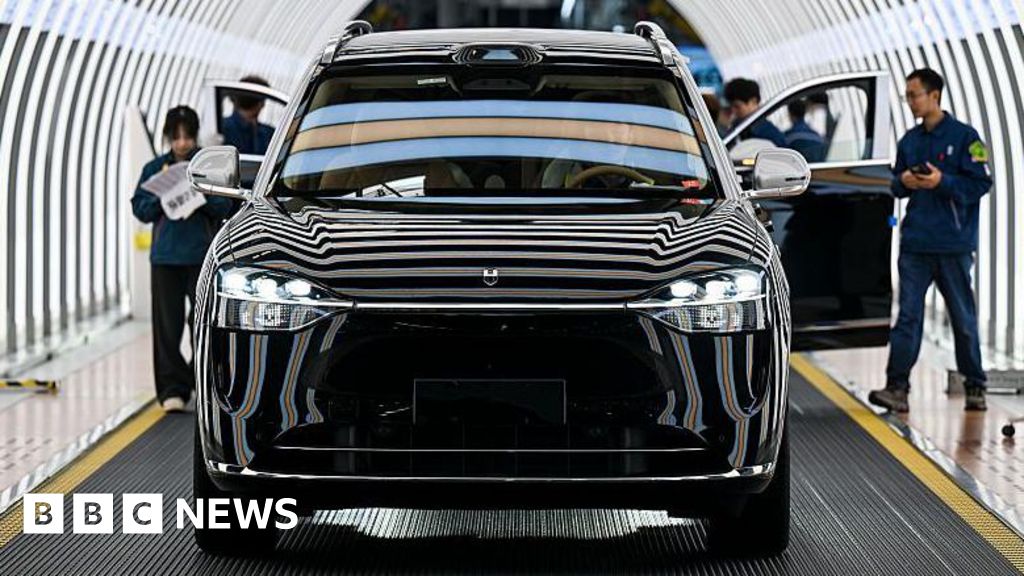
The problem at hand is profit motive. Personal vehicles force people into debt, both directly through purchase and through secondary demands - parking, gasoline, maintenance. That’s what generates the economic pressure that keeps them in place.
If we were fixated on safety, we could make cars smaller and slower and we could shield pedestrians from them with infrastructure. You’d save far more lives by lowering the speed limit than raising the DMV licensing standards.
People aren’t consistently competent or responsible. So you either install some kind of panopticon for drivers (the private insurance model) and try to price people you suspect are high risk out of your personal risk pool. Or you get people out of cars entirely, knowing anyone can have a day that makes them highly prone to driving mistakes.