PlayStation made the first move, and Xbox is expected to follow suit. In January 2028, Sony will stop producing physical discs for games on its consoles.…
Lifetime = console maker lifetime. What happens when a console maker is bankrupt?
In a sane universe, the law would be arranged such that when the rightsholding entity for a piece of media no longer exists and/or is no longer distributing it, copying and redistribution of it for personal and private use (i.e. what the industries have conditioned us to believe is “piracy”) would be legal. Anything out of print, so to speak, should be fair game. Notably this is already how it works with things like trademarks. If a company doesn’t actually exercise their ownership of them, they lose them.
This is more or less the basis of the abandonware movement, the current legality of the situation be damned.
Corpos: “Hey, you can’t copy that. We own it! If you just copy it, we won’t be able to profit from it!!!”
I’m imagining an actually good piece of legislation that requires companies to provide access beyond the lifetime of their platform. Lifetime in this instance refers to the consumer
What would be the recourse? let’s say, magically, Steam goes out of business. Files Chapter 11, restructures, doesn’t work out, no one buys their IP, closes up shop. servers go offline.
Sure they could have open sourced the servers, removed DRM (the publisher would be the more important one for that though), etc. But if they didn’t, they just went under, ran out of money, and they’re gone. Who are you going to sue? How will you get them to do the above? Why would they care? They no longer have money or resources to make it happen anyway. Can’t squeeze blood from a turnip.
A company going out of business and customers losing access to their IP is a very common concern for software businesses. The common way to deal with this is using an escrow service.
A copy of all the IP (e.g. source code) relevant to a license is stored at the escrow service (and regularly updated if necessary). If the supplier goes bankrupt, the escrow service is authorized to release the IP placed under escrow to the customers.
You could do something similar for Steam. Pay a 3rd party to keep a copy of all content that is authorized to release it if the original company goes out of business.
I’m not a legislator, so I don’t know what enforcement mechanisms should be. But what I do know is that anything that eliminates this blatant theft from consumers would be a good thing.
Sadly, you likely signed off on the EULA that you only own a temporary license and that you wave rights to that under certain circumstances and everything else that means you don’t actually own a copy of the game in perpetuity. which means it’s not actually theft.
But this is why I buy DRM free stuff from places like GoG and back it up myself. (and don’t often buy AAA games, or games with anti-cheat)
Nope, you should be able to play the game on the replacement console, and any future models.
Highly doubt that such a law would be passed , it would probably be argued against the same way SKG was , just with some of the outright lies being true this time (inf support)
Is a completely different question that has absolutely zero to do with disc based games, and the answer to that question is readily available in the form of Right To Repair legislation.


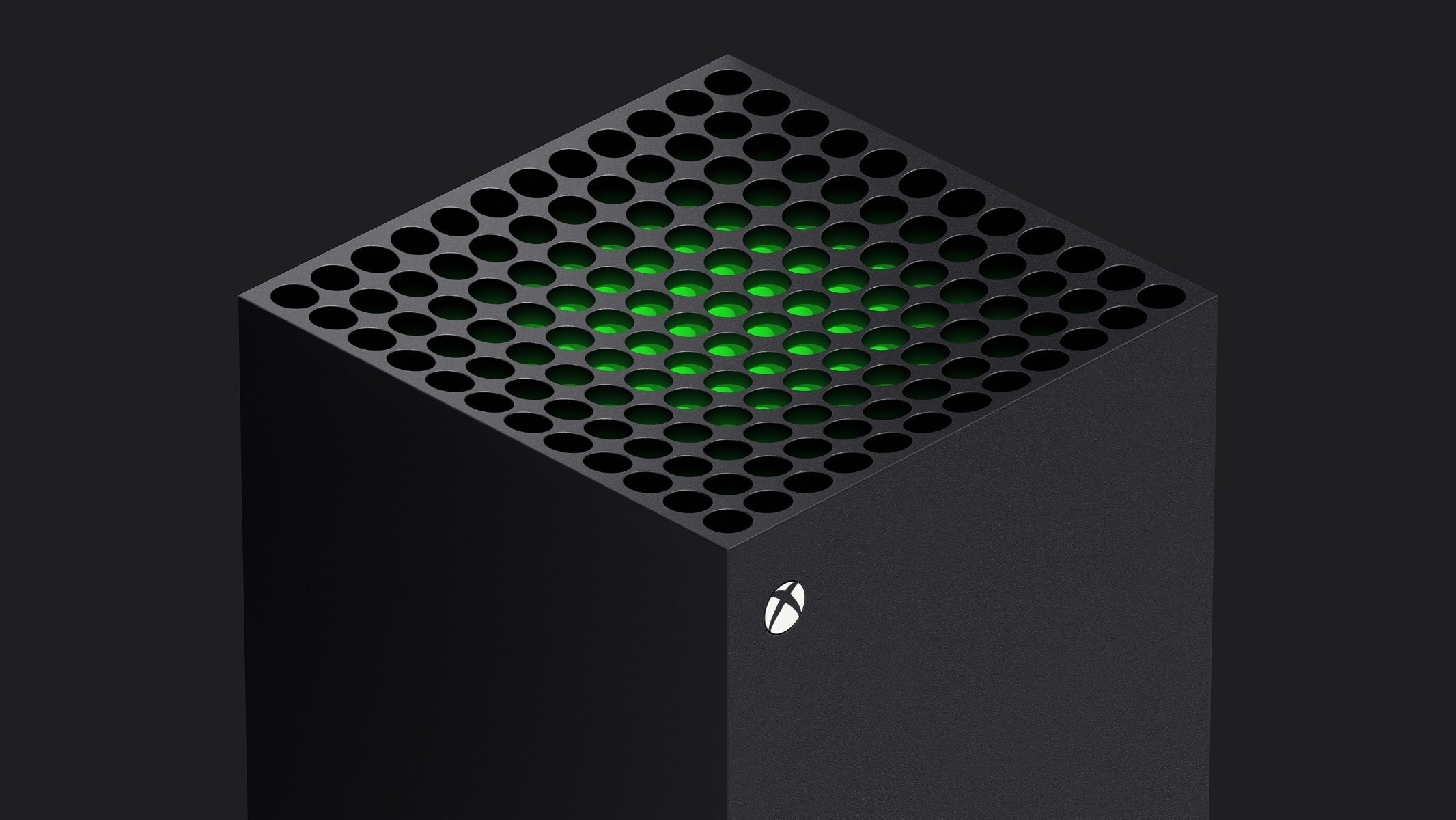
Can we just get a piece of legislation that requires unlimited lifetime access to digital purchases?
Even we did:
In a sane universe, the law would be arranged such that when the rightsholding entity for a piece of media no longer exists and/or is no longer distributing it, copying and redistribution of it for personal and private use (i.e. what the industries have conditioned us to believe is “piracy”) would be legal. Anything out of print, so to speak, should be fair game. Notably this is already how it works with things like trademarks. If a company doesn’t actually exercise their ownership of them, they lose them.
This is more or less the basis of the abandonware movement, the current legality of the situation be damned.
Corpos: “Hey, you can’t copy that. We own it! If you just copy it, we won’t be able to profit from it!!!”
Okay, so sell me one.
Also corpos: “No.”
I’m imagining an actually good piece of legislation that requires companies to provide access beyond the lifetime of their platform. Lifetime in this instance refers to the consumer
What would be the recourse? let’s say, magically, Steam goes out of business. Files Chapter 11, restructures, doesn’t work out, no one buys their IP, closes up shop. servers go offline.
Sure they could have open sourced the servers, removed DRM (the publisher would be the more important one for that though), etc. But if they didn’t, they just went under, ran out of money, and they’re gone. Who are you going to sue? How will you get them to do the above? Why would they care? They no longer have money or resources to make it happen anyway. Can’t squeeze blood from a turnip.
This is a solved problem.
A company going out of business and customers losing access to their IP is a very common concern for software businesses. The common way to deal with this is using an escrow service.
A copy of all the IP (e.g. source code) relevant to a license is stored at the escrow service (and regularly updated if necessary). If the supplier goes bankrupt, the escrow service is authorized to release the IP placed under escrow to the customers.
You could do something similar for Steam. Pay a 3rd party to keep a copy of all content that is authorized to release it if the original company goes out of business.
I’m not a legislator, so I don’t know what enforcement mechanisms should be. But what I do know is that anything that eliminates this blatant theft from consumers would be a good thing.
Sadly, you likely signed off on the EULA that you only own a temporary license and that you wave rights to that under certain circumstances and everything else that means you don’t actually own a copy of the game in perpetuity. which means it’s not actually theft.
But this is why I buy DRM free stuff from places like GoG and back it up myself. (and don’t often buy AAA games, or games with anti-cheat)
I don’t care what a EULA said, it’s still theft. If I signed away my right to be compensated for my labor, it’s still slavery.
Nope, you should be able to play the game on the replacement console, and any future models.
They aren’t likely to do that, these are massive companies.
Highly doubt that such a law would be passed , it would probably be argued against the same way SKG was , just with some of the outright lies being true this time (inf support)
This. Make licenses unrevevocable and guaranteed to be accessible, and transferable (second hand market options).
That would require governments to not be a bunch of bought-out sacks of shit
Ain’t nobody maintaining online services for more than a decade. Servers will always be shutdown and decommissioned at some point.
I take it that if I paid for something I can pirate it. I wont pay for GTA again on PC if I paid on console. If I own a dvd I can pirate it.
I also pirate shit I dont have because fuck all those people anyway