It won’t really affect me, but I understand the appeal of a physical artifact servicing as time game’s license for those who like to lend, sell, trade, library, etc.
And those same benefits are why the corporations can’t wait to do away with it. It’s been quite a while since Microsoft tried the same thing and people freaked out enough that they reversed course.
It’s worth pointing out that Microsoft didn’t try the same thing. Microsoft tried to move to “physical as digital”, where they retained the benefits of physical copies such as resale and loaning.
I specifically remember that their plan was essentially CD Keys. You’d buy a physical game and it would have a code inside, or the discs would have unique identifiers that force linked to your account, or whatever.
So yeah, essentially physical media with a digital license. If you were going to be able to resell your game it was going to have to go through microsoft, or maybe you could lend a friend your disc and that lets them buy their own license for a small discount to play it.
It was keys in a box, but they had a framework to allow physical retailers to remove licenses from Xbox accounts and refresh the license key for resale. They also had a system for you to loan your digital games out to your friends via their gamertag. When you digitally loaned it to them, you could not play it and they could. Iirc it would automatically revert after 30 days if you didn’t extend, but you could choose how long to loan it for.
They abandoned it all after the ridiculous crashouts by people who couldn’t see where the future was heading, and now you get digital with no resale and no loaning.
I’ll just point out that they/we did not have a system like that, but just promises of it from a tech giant. (except of course for whatever they had designed internally up until that time) So even as somebody who doesn’t really sell games, I get why people weren’t thrilled with the idea of microsoft being the ever-present broker in the transactions.
It was a new system, one never done before but not outlandish and easy to see how it would work. People just can’t understand and fear new things. Microsoft are, to their own detriment, too forward thinking. The Intended XB1 digital system was as close to a perfect one as you can get. benefits of both physical and digital wrapped in one.


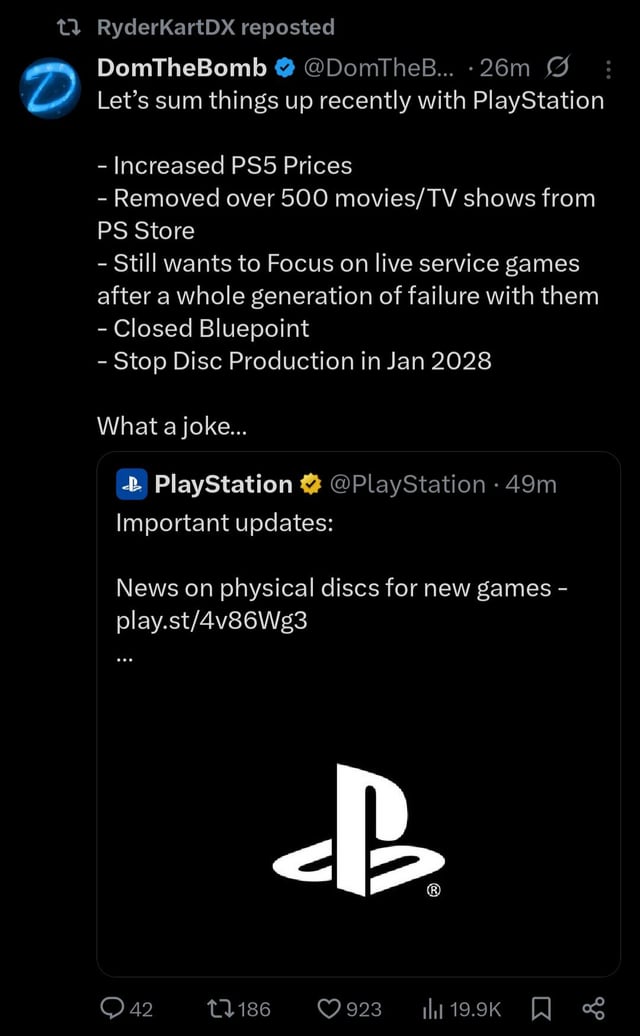
It won’t really affect me, but I understand the appeal of a physical artifact servicing as time game’s license for those who like to lend, sell, trade, library, etc.
And those same benefits are why the corporations can’t wait to do away with it. It’s been quite a while since Microsoft tried the same thing and people freaked out enough that they reversed course.
It’s worth pointing out that Microsoft didn’t try the same thing. Microsoft tried to move to “physical as digital”, where they retained the benefits of physical copies such as resale and loaning.
I specifically remember that their plan was essentially CD Keys. You’d buy a physical game and it would have a code inside, or the discs would have unique identifiers that force linked to your account, or whatever.
So yeah, essentially physical media with a digital license. If you were going to be able to resell your game it was going to have to go through microsoft, or maybe you could lend a friend your disc and that lets them buy their own license for a small discount to play it.
It was keys in a box, but they had a framework to allow physical retailers to remove licenses from Xbox accounts and refresh the license key for resale. They also had a system for you to loan your digital games out to your friends via their gamertag. When you digitally loaned it to them, you could not play it and they could. Iirc it would automatically revert after 30 days if you didn’t extend, but you could choose how long to loan it for.
They abandoned it all after the ridiculous crashouts by people who couldn’t see where the future was heading, and now you get digital with no resale and no loaning.
Useful details, thanks.
I’ll just point out that they/we did not have a system like that, but just promises of it from a tech giant. (except of course for whatever they had designed internally up until that time) So even as somebody who doesn’t really sell games, I get why people weren’t thrilled with the idea of microsoft being the ever-present broker in the transactions.
It was a new system, one never done before but not outlandish and easy to see how it would work. People just can’t understand and fear new things. Microsoft are, to their own detriment, too forward thinking. The Intended XB1 digital system was as close to a perfect one as you can get. benefits of both physical and digital wrapped in one.
It sounds like a lot of good thought and design went into it.
The biggest problem was/is always going to be consumers wary of trusting a tech company not to mess it up because of greed.