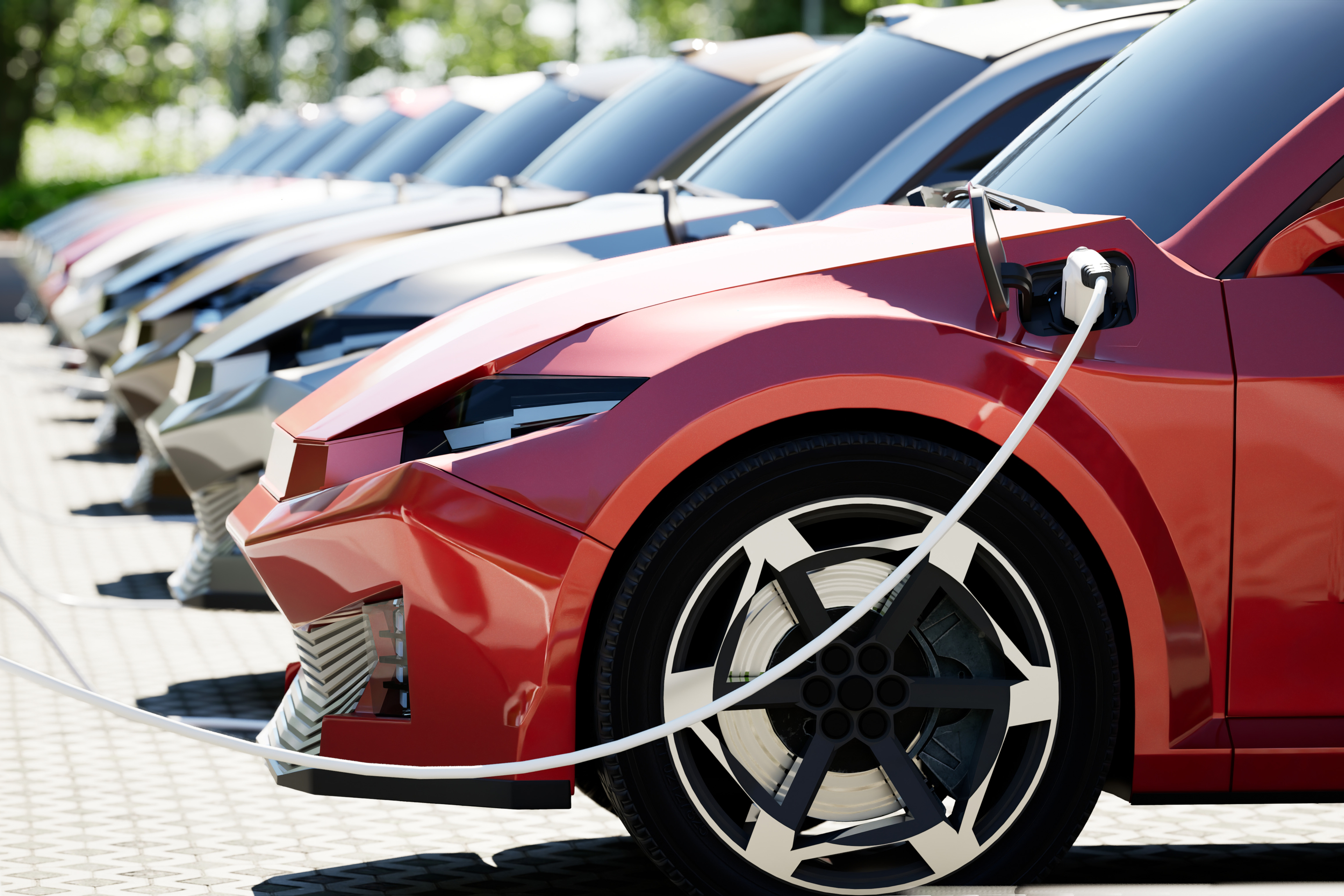
In most U.S. zip codes, electric vehicles are cost-competitive with their gas-powered counterparts, according to a new study. And regarding emissions benefits of EVs, individual driving patterns matter as much as regional factors like the local electricity mix.
So I did a brief search, and while I didn’t dig enough to find a coal fired only plant I found this study that calculated well -to - wheel (includes everything from pulling petrol from the ground to burning it off in the engine) emissions for gas, diesel, and electric. What this shows is that for a clean grid BEV are around 36% in Netherlands where there is hefty use of renewable energy, and as low as 21% in Saudi Arabia where electric is produced largely with petroleum products. Gas ice cars are around 18%, making BEV better by a few points. I can’t help but think if your specific elec plant is only coal fired that it would be a worse efficiency but alas id have to dig more to find a study on that. Interestingly, diesel ICE is around 25% which I did expect a higher number than gasoline but not by that much. Diesel is simply very energy dense. So tl;dr BEV are better in about every case. I can only imagine efficiency if using strictly renewables would be even greater than 36%! Here is study referenced in case interested - https://www.sciencedirect.com/science/article/abs/pii/S0967070X2600051X
First, I want to thank you for taking the time to engage on this topic, and also finding this great research paper. There’s always room for criticism in a source, but overall this is a great analysis done by the paper’s authors within the scope they define. I only have access to the abstract through the link, but may see if I can find the full paper from my library.
Pros of the paper:
the WTW (Well-to-Well) metric the authors use does encompass nearly all of the energy/emissions from using the stated fossil fuel for transpiration. This is a great way to have an apples-to-apples comparison of the various sources of energy with regard to their pollution cost in vehicles of various types which is our core question.
For Diesel the authors factored in emissions including not only CO2, but also Particulate Matter and oxides of Nitrogen which is much worse from diesel emissions than other forms of petroleum compared to gasoline or methane combustion. I appreciate this level of detail from the authors. However, in just the abstract I can’t see the formula for how they define a percentage of pollution on these other to inputs.
Cons of the paper:
the WTW (Well-to-Well) metric starts at the well. There’s no accounting for the exploration pollution associated with fossil fuels (or battery materials for that matter). As an example, the Deepwater Horizon oil disaster was the largest oil spill as well as the largest release of methane in history. Deepwater Horizon was not an active production well. It was an exploration well (which is the step before production). Therefore it wouldn’t be included in the WTW metric, yet represents a huge amount of pollution that would not exist if we weren’t using oil and methane.
Also, to our question about coal derived power for EVs, we may have enough information from the authors to extrapolate the coal figure. Since the paper includes detailed analysis of methane generated power, we can likely get the efficiency and emissions numbers for that power source. This will let us use the author’s methods for defining the percentage of efficiency for comparrison once we get the coal inputs. We can likely get the coal inputs from looking at an existing coal power plant and getting its ingested coal, CO2 cost for extraction of that amount of coal, then the published emissions numbers from the plant for the KWh of electrical energy generated over a set period.
Overall, this paper, and your read of it is a fantastic contribution to the conversation. Thank you!
You write incredibly well! To add a negative to the ev side of things I’m sure there is exploration costs in finding battery materials just as there is in finding oil wells, but at least the battery is a reusable product for some time where the oil is burnt up then gone and another well needs to be found. Exploration costs are no doubt significantly higher for petroleum as we are chewing though it faster than we chew through batteries in a vehicles life span. I also do not think this paper is accounting for the actual oil changes required for a car, or the tires both are consuming. Once the energy density of batteries improved so that BEVs can be lighter there’s no doubt in my mind the efficiency numbers will soar past what they are now! Right now the biggest argument for ICE is energy density of the fuel, which is of particular importance when thinking of 18 wheelers or freight boat/trains. However the inefficiency of the combustion engine requires a transmissions and gears to get the power to the wheels. Every ounce u spin is power lost to the drivetrain before it’s delivered into forward motion!


So I did a brief search, and while I didn’t dig enough to find a coal fired only plant I found this study that calculated well -to - wheel (includes everything from pulling petrol from the ground to burning it off in the engine) emissions for gas, diesel, and electric. What this shows is that for a clean grid BEV are around 36% in Netherlands where there is hefty use of renewable energy, and as low as 21% in Saudi Arabia where electric is produced largely with petroleum products. Gas ice cars are around 18%, making BEV better by a few points. I can’t help but think if your specific elec plant is only coal fired that it would be a worse efficiency but alas id have to dig more to find a study on that. Interestingly, diesel ICE is around 25% which I did expect a higher number than gasoline but not by that much. Diesel is simply very energy dense. So tl;dr BEV are better in about every case. I can only imagine efficiency if using strictly renewables would be even greater than 36%! Here is study referenced in case interested - https://www.sciencedirect.com/science/article/abs/pii/S0967070X2600051X
First, I want to thank you for taking the time to engage on this topic, and also finding this great research paper. There’s always room for criticism in a source, but overall this is a great analysis done by the paper’s authors within the scope they define. I only have access to the abstract through the link, but may see if I can find the full paper from my library.
Pros of the paper:
Cons of the paper:
Also, to our question about coal derived power for EVs, we may have enough information from the authors to extrapolate the coal figure. Since the paper includes detailed analysis of methane generated power, we can likely get the efficiency and emissions numbers for that power source. This will let us use the author’s methods for defining the percentage of efficiency for comparrison once we get the coal inputs. We can likely get the coal inputs from looking at an existing coal power plant and getting its ingested coal, CO2 cost for extraction of that amount of coal, then the published emissions numbers from the plant for the KWh of electrical energy generated over a set period.
Overall, this paper, and your read of it is a fantastic contribution to the conversation. Thank you!
You write incredibly well! To add a negative to the ev side of things I’m sure there is exploration costs in finding battery materials just as there is in finding oil wells, but at least the battery is a reusable product for some time where the oil is burnt up then gone and another well needs to be found. Exploration costs are no doubt significantly higher for petroleum as we are chewing though it faster than we chew through batteries in a vehicles life span. I also do not think this paper is accounting for the actual oil changes required for a car, or the tires both are consuming. Once the energy density of batteries improved so that BEVs can be lighter there’s no doubt in my mind the efficiency numbers will soar past what they are now! Right now the biggest argument for ICE is energy density of the fuel, which is of particular importance when thinking of 18 wheelers or freight boat/trains. However the inefficiency of the combustion engine requires a transmissions and gears to get the power to the wheels. Every ounce u spin is power lost to the drivetrain before it’s delivered into forward motion!