Kind of seems like it’d work better if your PC contained a numeric code. That code would contain everything the update service needs for your specific computer.
For example. If your computer has a display out, it might add 855. And if your display has a touch screen it might add a 99. So now you have 85599. And when your PC sends 85599 to the update service it knows to include all updates with 85599.
But if my pc has a display out, but NOT a touch screen I would only have 855. I would not have 99. So I wouldn’t get the touchscreen updates.
Now do this for every single piece of tech a computer might have an update for. If you have usb 2.0, you might get 122. But if you have usb 3.0 you might get 133. And if you have usb type c, you might have 177. Or maybe you have usb 2.0, 3.0 and type c. So you’d have 122133177.
Yes, the number would be quite long, but you’d never need to see or interact with it. It’s just a small txt file that windows would send to its server to prepare the relevant updates.
I imagine that cutting down useless bloat would be beneficial for everyone. For example, if I’ve never used Turkish language, then I could skip 1.2GB of download for downloading the Turkish dictionary.
However, this doesn’t work in enterprise environments. Companies want to download updates once and then deliver then themselves when and to whom they want. And that means they need to download all of them.
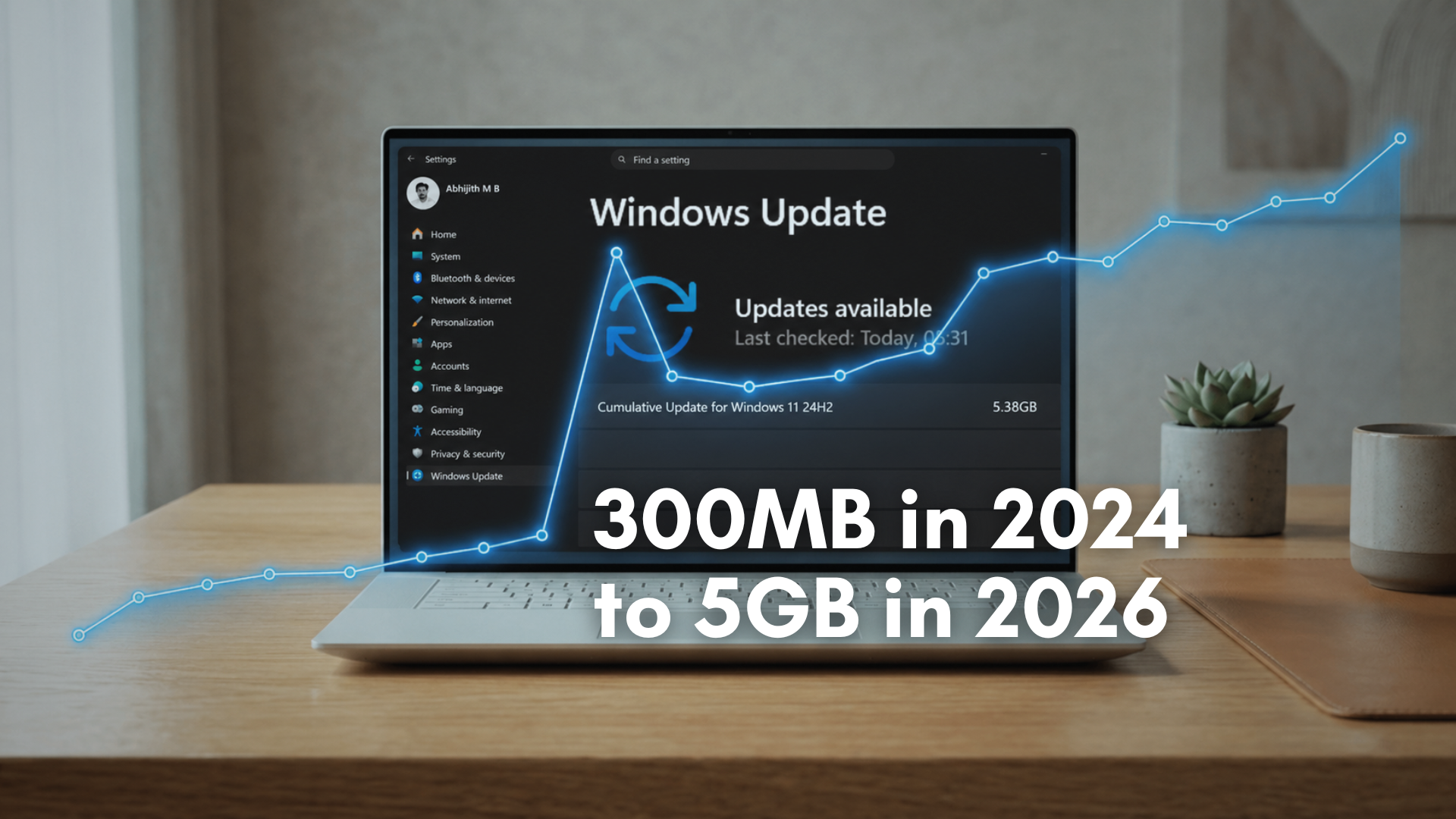
These days they’re all bundled up in one huge package so companies have to devote a of storage for update files that mostly contain the same stuff as last month’s.


Kind of seems like it’d work better if your PC contained a numeric code. That code would contain everything the update service needs for your specific computer.
For example. If your computer has a display out, it might add 855. And if your display has a touch screen it might add a 99. So now you have 85599. And when your PC sends 85599 to the update service it knows to include all updates with 85599.
But if my pc has a display out, but NOT a touch screen I would only have 855. I would not have 99. So I wouldn’t get the touchscreen updates.
Now do this for every single piece of tech a computer might have an update for. If you have usb 2.0, you might get 122. But if you have usb 3.0 you might get 133. And if you have usb type c, you might have 177. Or maybe you have usb 2.0, 3.0 and type c. So you’d have 122133177.
Yes, the number would be quite long, but you’d never need to see or interact with it. It’s just a small txt file that windows would send to its server to prepare the relevant updates.
I imagine that cutting down useless bloat would be beneficial for everyone. For example, if I’ve never used Turkish language, then I could skip 1.2GB of download for downloading the Turkish dictionary.
Why don’t they do it like that?
They do; the article points that out.
However, this doesn’t work in enterprise environments. Companies want to download updates once and then deliver then themselves when and to whom they want. And that means they need to download all of them.
These days they’re all bundled up in one huge package so companies have to devote a of storage for update files that mostly contain the same stuff as last month’s.