OpenAI buying tens of thousands of Macs for AI is the funniest possible plot twist: spend years convincing everyone the cloud is the future, then discover the hottest AI infrastructure is basically a warehouse full of Mac minis. Somewhere, an IT admin is whispering: »I told you so.«
That’s true Linuxaand other tools, etc works better on x86 than arm to this day. Might slowly change if arm gets more popular. But that might take another decade.
I was thinking more about things that are written for Linux and not necessarily ported to macOS. When I’ve tried things in an ARM VM there seems to be a lot less software compiled for ARM.
The translation later is called Rosetta 2 (Rosetta 1 having been for the PowerPC to Intel transition), and it looks like it’s mostly going away next year, so buying a Mac with the intention of using it would probably be a bad idea at this point.
Which really really really sucks, because Rosetta is amazing. it’s extremely performant at running x64 code on Apple Silicon, and I’ll be sad to see it go.
To Apple’s credit, though, they did extend its end of life a full year. Rosetta 2 Support was supposed to end this year with the release of macOS 27 Golden Gate, but due to enough backlash, they extended it to next year. (which they also did with Rosetta 1, back in the day.)
The real thing I’m pissed about is they won’t open-source it, which Apple sometimes does (or, used to do) with its tools.
Fwiw they claim they will support it as a framework into the future, so things Linux VMs can still take advantage of it. The only thing you’re losing is desktop Mac apps which have largely all converted to arm64 at this point, except games which you probably aren’t going to play natively anyway
Well— Apple wants devs to support Apple silicon. Cyberpunk 2077, for example, did very well as a native release. But a lot of that was tied to Steam’s (and GOG’s) “works anywhere“ purchase model.
And as far as “framework for the future“ are concerned, yeah, we’ll get there independently eventually, but nothing compares to Rosetta. It’s just fucking amazing, and it works now.


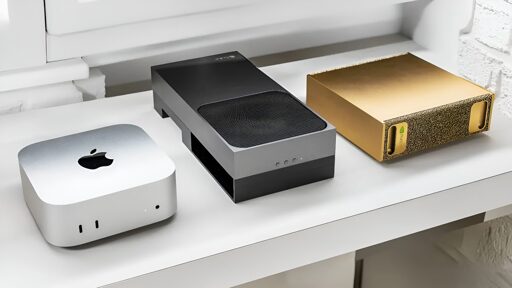
OpenAI buying tens of thousands of Macs for AI is the funniest possible plot twist: spend years convincing everyone the cloud is the future, then discover the hottest AI infrastructure is basically a warehouse full of Mac minis. Somewhere, an IT admin is whispering: »I told you so.«
What exactly do you think a cloud is? It’s built exactly like that, computers connected and orchestrated to run a client’s arbitrary services.
Now the interesting thing here is to choose many different types of smallscale hardware. Must be some fun to administrate.
Exactly. It’s super uncommon to use standard consumer hardware to build a data center.
I’d be interested in buying one as a headless server, but a lot of the FLOSS software I’d like to run seem to prefer x86 processors.
That’s true Linuxaand other tools, etc works better on x86 than arm to this day. Might slowly change if arm gets more popular. But that might take another decade.
Truly? Even with their translation layer? I forgot what’s it called.
I was thinking more about things that are written for Linux and not necessarily ported to macOS. When I’ve tried things in an ARM VM there seems to be a lot less software compiled for ARM.
The shared memory for cpu and gpu was a cost saving thing, now it’s a massive help as nvidia limit consumer gpus to 24gb
The translation later is called Rosetta 2 (Rosetta 1 having been for the PowerPC to Intel transition), and it looks like it’s mostly going away next year, so buying a Mac with the intention of using it would probably be a bad idea at this point.
Which really really really sucks, because Rosetta is amazing. it’s extremely performant at running x64 code on Apple Silicon, and I’ll be sad to see it go.
To Apple’s credit, though, they did extend its end of life a full year. Rosetta 2 Support was supposed to end this year with the release of macOS 27 Golden Gate, but due to enough backlash, they extended it to next year. (which they also did with Rosetta 1, back in the day.)
The real thing I’m pissed about is they won’t open-source it, which Apple sometimes does (or, used to do) with its tools.
Fwiw they claim they will support it as a framework into the future, so things Linux VMs can still take advantage of it. The only thing you’re losing is desktop Mac apps which have largely all converted to arm64 at this point, except games which you probably aren’t going to play natively anyway
Well— Apple wants devs to support Apple silicon. Cyberpunk 2077, for example, did very well as a native release. But a lot of that was tied to Steam’s (and GOG’s) “works anywhere“ purchase model.
And as far as “framework for the future“ are concerned, yeah, we’ll get there independently eventually, but nothing compares to Rosetta. It’s just fucking amazing, and it works now.