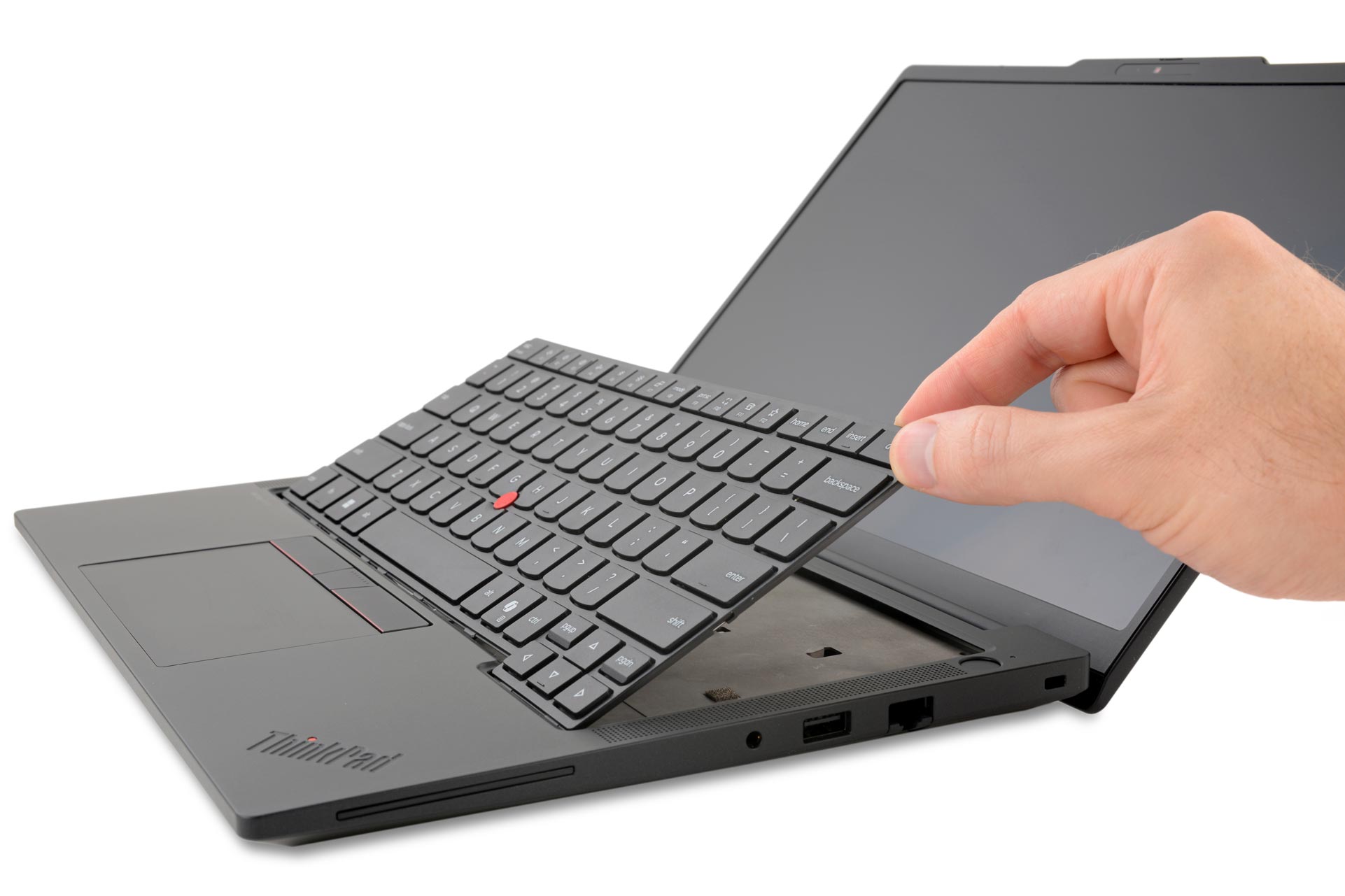
Repair goes mega mainstream with the launch of Lenovo’s new T-series business laptops, which earned our highest honor with a 10/10 repairability score.
That’s his point. It’s similar to framework, but not the same.
Easy repairability is great, truly.
But framework offers more than that, easy repairability AND upgradability, because they offer new upgraded parts with the same compatibility as the old ones, so you can just drop them in.
Lenovo is not yet doing that. Which is fine. Just a noteworthy difference.
I would be curious to see how often people actually upgrade their frameworks.
For me, I’ve upgraded my mainboard to a newer CPU generation for better integrated graphics (old one is in a case as a home server) and I upgraded to their matte screen when they released those.
I got my framework about a year ago, before the tariffs got crazy, and well before ram got crazy (I put 96 gigs in it to play with AI workloads, and for the lulz).
My plan is to ride this thing until it starts showing its age. Which I imagine will be another 3 or 4 years?
Only then can I comment on my actual desire and commitment to upgrading it.
Until then, I’m just banking on the fact that the company will a) live. And b) still have parts for my machine.
I do appreciate what they’re doing, and I like my machine now.
There are definitely people out there who upgrade super frequently, who knows, maybe I’ll be one of them in 1 or 2 years instead of 3 or 4. Hard to say what life will look like then, the way things go these days.
I’ve upgraded my 13 with new mainboards twice. I’ve yet to upgrade my 16 because everything is too expensive now, and upgrading the GPU to the newer nVidia module would require replacing the screen too and fuuuuuck that. Maybe they’ll put out a new AMD module that won’t require replacing a perfectly good screen.
While easy to repair, how does durability compare so you don’t need to repair it in the first place?
While not bad like an HP consumer grade laptop, I have not heard good things about the rigidity of the frameworks. All the modularity takes away space for reinforcement and leaves more points for things to break.
The modularity might be considered almost a gimmick of recessed USB-C accessories, so I would personally be happy with a device that leaves that outside the core chassis, so long as the chassis ports are at least as modular as this ThinkPad concept. No idea if those big empty areas are a serious liability structurally or not…
Even among shitty laptops, it’s always been keyboard, screen, or charging port as the things that break, not sure structural support matters too much on those fronts. I have had boards fail, but not due to physical events.
keyboard, screen, or charging port as the things that break
That’s exactly where structural reinforcement makes a difference. Keyboard less so since usually it’s the switches that break. But ThinkPads have reinforcement not just on the chassis, but the ports too. There’s a plate about 1 inch wide on all the ports of my machine. The less all components flex the less likely things break. From simple insertion cycles to actual physical damage, it all adds up over time.
Ok, my ports break out of use, have had pretty bad luck with USB-C charging ports on the thinkpads… Never been dropped but they just stop working… Then if out of warranty I start using another USB-c port… then that breaks…
Seeing a modular USB-c port is just absolutely fantastic…

That’s his point. It’s similar to framework, but not the same.
Easy repairability is great, truly.
But framework offers more than that, easy repairability AND upgradability, because they offer new upgraded parts with the same compatibility as the old ones, so you can just drop them in.
Lenovo is not yet doing that. Which is fine. Just a noteworthy difference.
I would be curious to see how often people actually upgrade their frameworks.
I agree with their repair stance. It just feels like one of those things people will tell you they want and then never do.
Still maybe the explosion in memory prices will change the incentives and people will start holding things longer. It will be interesting to see.
For me, I’ve upgraded my mainboard to a newer CPU generation for better integrated graphics (old one is in a case as a home server) and I upgraded to their matte screen when they released those.
I got my framework about a year ago, before the tariffs got crazy, and well before ram got crazy (I put 96 gigs in it to play with AI workloads, and for the lulz).
My plan is to ride this thing until it starts showing its age. Which I imagine will be another 3 or 4 years? Only then can I comment on my actual desire and commitment to upgrading it.
Until then, I’m just banking on the fact that the company will a) live. And b) still have parts for my machine.
I do appreciate what they’re doing, and I like my machine now.
There are definitely people out there who upgrade super frequently, who knows, maybe I’ll be one of them in 1 or 2 years instead of 3 or 4. Hard to say what life will look like then, the way things go these days.
It is a bigger deal in business settings, where one laptop can see multiple hands and you’ve got a team dedicated to repair.
Not typically an issue for the individual user, but increasingly an issue for a team of users as the size of the team grows
I’ve upgraded my 13 with new mainboards twice. I’ve yet to upgrade my 16 because everything is too expensive now, and upgrading the GPU to the newer nVidia module would require replacing the screen too and fuuuuuck that. Maybe they’ll put out a new AMD module that won’t require replacing a perfectly good screen.
While easy to repair, how does durability compare so you don’t need to repair it in the first place?
While not bad like an HP consumer grade laptop, I have not heard good things about the rigidity of the frameworks. All the modularity takes away space for reinforcement and leaves more points for things to break.
The modularity might be considered almost a gimmick of recessed USB-C accessories, so I would personally be happy with a device that leaves that outside the core chassis, so long as the chassis ports are at least as modular as this ThinkPad concept. No idea if those big empty areas are a serious liability structurally or not…
Even among shitty laptops, it’s always been keyboard, screen, or charging port as the things that break, not sure structural support matters too much on those fronts. I have had boards fail, but not due to physical events.
That’s exactly where structural reinforcement makes a difference. Keyboard less so since usually it’s the switches that break. But ThinkPads have reinforcement not just on the chassis, but the ports too. There’s a plate about 1 inch wide on all the ports of my machine. The less all components flex the less likely things break. From simple insertion cycles to actual physical damage, it all adds up over time.
Ok, my ports break out of use, have had pretty bad luck with USB-C charging ports on the thinkpads… Never been dropped but they just stop working… Then if out of warranty I start using another USB-c port… then that breaks…
Seeing a modular USB-c port is just absolutely fantastic…