There is one core difference to most other lootboxes, and it’s that the skins you get from them have a tangible real world value. It is actually, in every way, resemblant of a slot machine. Put in money, receive an amount of money that is less than what you put in on average (though I guess it’s never 0).
I’d have far more support for this if we didn’t have something matching this entirely for decades, completely legal for kids, with the only difference being that you get a physical item instead of something digital. Of course, I’m referring to trading cards. By all means regulate both, but regulating the digital version while not touching the physical one is insane.
The implications and nuances of this lawsuit are so incredibly deep and ripple so far, that anybody on here or anywhere else that says they strongly feel one way or the other is either completely full of shit, has an ulterior motive, or has a personal stake somehow.
This lawsuit, when deeply thought about, is the opposite of simple. The more you know, the messier it gets.
Which actually makes in simple to me. They are throwing things at the wall to see what sticks while also muddying the water as if they are trying to hide something.
They are throwing very convoluted logic around for this, and I immediately distrust anyone in government who makes wild leaps to “protecting kids”.
First off, I don’t like loot boxes. Specifically paid loot boxes, because if you don’t signify that something like this could effect any game with random drops.
Second, all the games in question are rated M. They are very much not targeted at kids. Obviously kids still play them, but that is on the parents.
That they also added “violent video games” nonsense that could have come out of the 90s is absurd. Is it about gambling or violent media? If it’s about violent media, why not go after any of the other shooters that are likely going to have way more kids on them. Counterstrike is old enough that I would be surprised if it isn’t a majority of millennials and gen X. At the very least I seriously doubt there are a ton of minors playing.
If it is actually about gambling targeted at kids, The Pokemon trading card game is probably the best example of “gambling aimed at kids”. Sure, digital loot boxes can be more insidious, but that isn’t how they’ve framed this and if you’ve seen how TCG players buy packs it’s very much looks like gambling.
The framing of this is very suspicious because it doesn’t make sense to go after valve exclusively for any of the things they are claiming. And the 3x fine is ridiculous. I’m all for fines actually being based on profits, but you can’t tell me they would do the same for any other company.
And part of me feels this is a strong-arm tactic because valve is not publicly traded which lets them be very pro user/consumer and is the one company that is complying with age verification in a way that still protects user privacy.
I should’ve clarified, with “this” i mean more the general sentiment about regulation of these lootboxes that I’ve seen in other contexts as well - other than the general topic I don’t really have an opinion on the lawsuit other than it seeming a bit ridicous to reimburse every customer in full.
Trading cards are arguably a problem too, but one that becomes much less prevalent due to their comparative inconvenience. The internet can gamify immediacy around them, and the cards of that store will never run out of stock.
Assuming that they are seems like a leap, but since we don’t really know exactly what consciousness is,
Which is no different that trading card games and also not valve’s fault.
I have no love for loot boxes, at least when real money is used to get them, but from what I’ve seen across the board Valve is far from the worst with them. Valve also doesn’t allow you to sell the skins you get for real money, only steam credit. That is still real-world value, but they are also not the only company that does that.
Outside of real-world money for loot boxes, most of the issues with the skin market are not anything Valve did. It was third party sites popping up that allowed people to sell their skins for cash.
Valve have even made changes to their side that crashed the market and caused a ton of “value” to disappear.
The fact is that this lawsuit is pretty obviously not actually about gambling. If it was there are far worse companies they could go after.
And I do want something to be done about them across the board, but this is not going to do that.


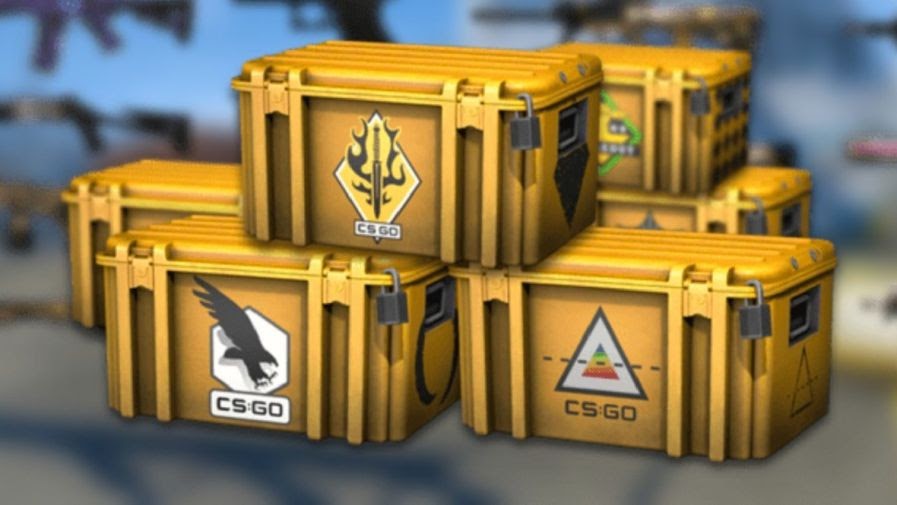
There is one core difference to most other lootboxes, and it’s that the skins you get from them have a tangible real world value. It is actually, in every way, resemblant of a slot machine. Put in money, receive an amount of money that is less than what you put in on average (though I guess it’s never 0).
I’d have far more support for this if we didn’t have something matching this entirely for decades, completely legal for kids, with the only difference being that you get a physical item instead of something digital. Of course, I’m referring to trading cards. By all means regulate both, but regulating the digital version while not touching the physical one is insane.
The implications and nuances of this lawsuit are so incredibly deep and ripple so far, that anybody on here or anywhere else that says they strongly feel one way or the other is either completely full of shit, has an ulterior motive, or has a personal stake somehow.
This lawsuit, when deeply thought about, is the opposite of simple. The more you know, the messier it gets.
Which actually makes in simple to me. They are throwing things at the wall to see what sticks while also muddying the water as if they are trying to hide something.
They are throwing very convoluted logic around for this, and I immediately distrust anyone in government who makes wild leaps to “protecting kids”.
First off, I don’t like loot boxes. Specifically paid loot boxes, because if you don’t signify that something like this could effect any game with random drops.
Second, all the games in question are rated M. They are very much not targeted at kids. Obviously kids still play them, but that is on the parents.
That they also added “violent video games” nonsense that could have come out of the 90s is absurd. Is it about gambling or violent media? If it’s about violent media, why not go after any of the other shooters that are likely going to have way more kids on them. Counterstrike is old enough that I would be surprised if it isn’t a majority of millennials and gen X. At the very least I seriously doubt there are a ton of minors playing.
If it is actually about gambling targeted at kids, The Pokemon trading card game is probably the best example of “gambling aimed at kids”. Sure, digital loot boxes can be more insidious, but that isn’t how they’ve framed this and if you’ve seen how TCG players buy packs it’s very much looks like gambling.
The framing of this is very suspicious because it doesn’t make sense to go after valve exclusively for any of the things they are claiming. And the 3x fine is ridiculous. I’m all for fines actually being based on profits, but you can’t tell me they would do the same for any other company.
And part of me feels this is a strong-arm tactic because valve is not publicly traded which lets them be very pro user/consumer and is the one company that is complying with age verification in a way that still protects user privacy.
I should’ve clarified, with “this” i mean more the general sentiment about regulation of these lootboxes that I’ve seen in other contexts as well - other than the general topic I don’t really have an opinion on the lawsuit other than it seeming a bit ridicous to reimburse every customer in full.
Trading cards are arguably a problem too, but one that becomes much less prevalent due to their comparative inconvenience. The internet can gamify immediacy around them, and the cards of that store will never run out of stock.
Which is no different that trading card games and also not valve’s fault.
I have no love for loot boxes, at least when real money is used to get them, but from what I’ve seen across the board Valve is far from the worst with them. Valve also doesn’t allow you to sell the skins you get for real money, only steam credit. That is still real-world value, but they are also not the only company that does that.
Outside of real-world money for loot boxes, most of the issues with the skin market are not anything Valve did. It was third party sites popping up that allowed people to sell their skins for cash.
Valve have even made changes to their side that crashed the market and caused a ton of “value” to disappear.
The fact is that this lawsuit is pretty obviously not actually about gambling. If it was there are far worse companies they could go after.
And I do want something to be done about them across the board, but this is not going to do that.