

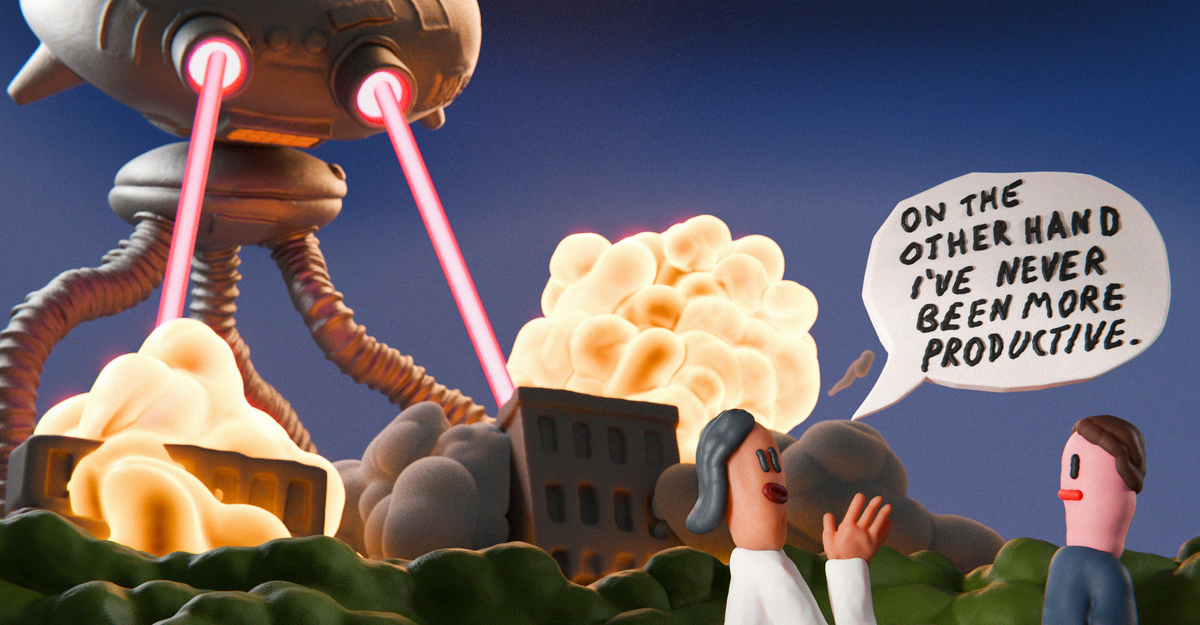
When people ask me what artificial intelligence is going to do to jobs, they’re usually hoping for a clean answer: catastrophe or overhype, mass unemployment or business as usual. What I found after months of reporting is that the truth is harder to pin down—and that our difficulty predicting it may be the most important part of
In 1869, a group of Massachusetts reformers persuaded the state to try a simple idea: counting.
The Second Industrial Revolution was belching its way through New England, teaching mill and factory owners a lesson most M.B.A. students now learn in their first semester: that efficiency gains tend to come from somewhere, and that somewhere is usually somebody else. The new machines weren’t just spinning cotton or shaping steel. They were operating at speeds that the human body—an elegant piece of engineering designed over millions of years for entirely different purposes—simply wasn’t built to match. The owners knew this, just as they knew that there’s a limit to how much misery people are willing to tolerate before they start setting fire to things.
Still, the machines pressed on.
…
Whos that