

- cross-posted to:
- [email protected]

- cross-posted to:
- [email protected]
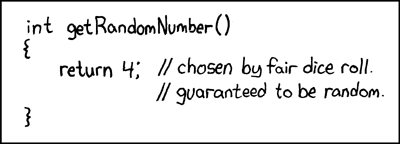
Astonishingly, the private keys were 4, 56, 66, 115, 155, 156, 230, 237.
exploiting compromised certificates requires an active adversary-in-the-middle attack, meaning the attacker must act as a proxy between two TLS parties and receive encrypted traffic, decrypt it, reencrypt it, and send it to the other party. Such capabilities, in some cases, are usually limited to only the most well-resourced attackers. People with control of a local network—at a coffee shop, university, or other organization—face much less of a challenge.
https://emudhra.we-have-a-problem.com/
As nice as DANE is, it just shifts the burden of trust to your DNS provider. Like if you hop on Wi-Fi at a coffee shop, said network can simply MITM connections and supply their own certs via re-writing the DNS.
You can encrypt DNS to prevent that, but now you need a way to ensure your DNS client already trusts the desired DNS server, etc.
As much as people dislike CAs, they’re a proven solution to a problem that’s already implemented in nearly every device on the planet.