

The skies of Oklahoma City roared for six months in 1964 as military aircraft intentionally rattled the population below with a daily barrage of thunderous sonic booms. It was a controversial test — the consequences of which have lingered to this day.
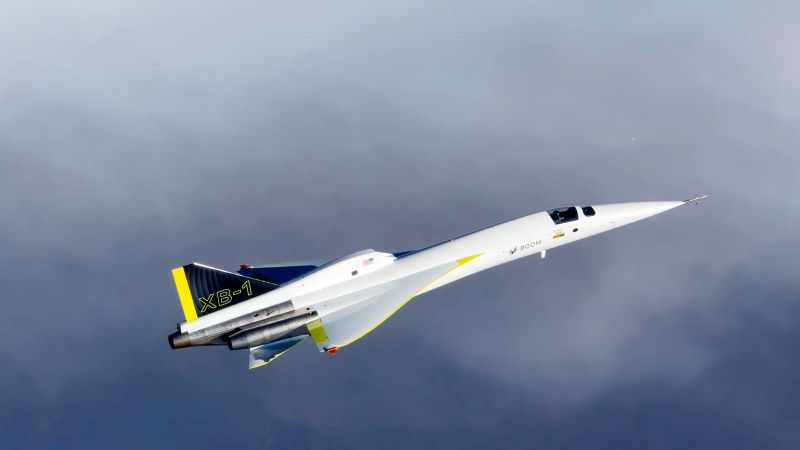
Two approaches in the works could revolutionize air travel by making future supersonic passenger planes compliant with the FAA’s new noise rules: Colorado-based company Boom Supersonic, which is specifically mentioned in the FAA proposal, plans to use physics to prevent sonic booms from ever reaching the ground, regardless of plane design. NASA, on the other hand, is flying an experimental plane called X-59 that is specifically designed to reduce the intensity of the boom.
Might as well say flying is convenience for the rich and privileged. Because in the 1950s, it was. If you were poor, you still went on a boat. It could be we all do transatlantic trips on a plane like this in the future.
I mean it kinda is but the reality is people aren’t going to go backwards. However, that doesn’t mean we need to make the problem dramatically worse. I seriously doubt we’ll all be traveling this way but if we are it’s because we decided to value our convenience over the lives of the young and the poor.
The renewable transition cannot be stopped because it’s simply now cheaper to generate solar and wind. You install them once every few decades and only do basic maintenance to get power and store that into batteries. It could be that we have so much oil left over it won’t be expensive