

The skies of Oklahoma City roared for six months in 1964 as military aircraft intentionally rattled the population below with a daily barrage of thunderous sonic booms. It was a controversial test — the consequences of which have lingered to this day.
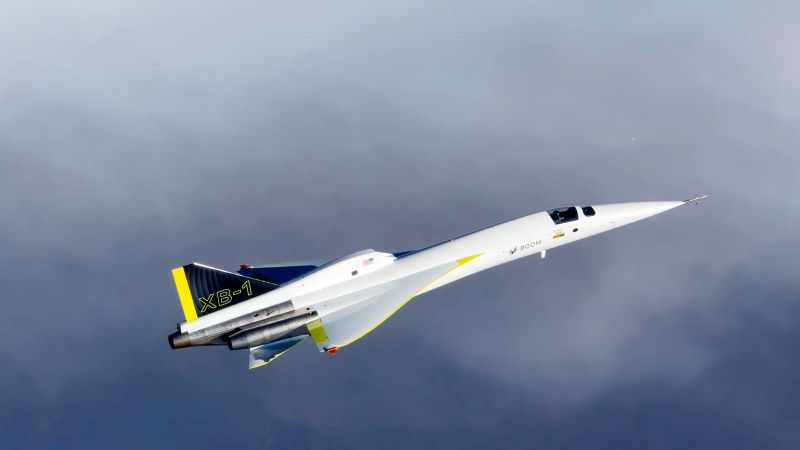
Two approaches in the works could revolutionize air travel by making future supersonic passenger planes compliant with the FAA’s new noise rules: Colorado-based company Boom Supersonic, which is specifically mentioned in the FAA proposal, plans to use physics to prevent sonic booms from ever reaching the ground, regardless of plane design. NASA, on the other hand, is flying an experimental plane called X-59 that is specifically designed to reduce the intensity of the boom.
There are legitimate materials science, atmospheric sound propagation physics, and climate science modeling questions that are being answered by these tests. I believe it extremely short sighted to think the application of this technology and enhanced fluid dynamics to be limited to “rich people fuck the planet faster”.
I’m not saying that it is never fair to criticize a scientific endeavor, but enhancing our understanding of quickly transporting things through a dense atmosphere is not a bad thing.
I don’t really see how this could be used for anything else but even then it’s hard to see how the benefits would outweigh the harms of enabling climate arson.
If we can reduce the shockwave from sonic booms that could directly lead to more efficient plane engines. The main current impediment they have is the tips of the turbine blades can only get so close to the speed of sound before they explode from the forces they’re experiencing.
Which could have knock-on effects for anything involving an airfoil moving through a fluid. Helicopters, boats, wind turbines, hydro-power, etc.
Better understanding and control of the physics / materials science at the sound barrier would be very good news.
Then they should study that directly rather than how to better waste huge amounts of fuel making the lives of the rich more convenient at the expense of everyone else’s survival.