I know I’m weird, but my camera is with me 99% of the time, in the backpack or strapped to my shoulder strap of the backpack for impromptu moments. I go into panic mode when I leave any building without my backpack.
The article completely missed the point of CCD vs CMOS sensors. CCD tends to leak when there is a high contrast. Combined with a harsh flash it gives a distinct look for night time party photos.
That one is a more traditional film photo, not CCD bloom. But fair point.
It’s just that I have found myself in situations where groups of drunk 20-somethings ask me to take their photo with a vintage digicam. And having seen the results I get why they’re fun, the flash is strong and it makes things pop up so differently.
I guess it could be simulated, but I doubt they had the latest iPhone in their pocket and taking the photo wouldn’t have been as fun anyway. Also that flash would be difficult to make it work realistically.
Yes, I had a really nice canon slr and a rollei compact with the good zeiss glass, but went on a long cycle trip and grams counted, so I reused a disposable camera: plastic fixed lens, single speed, reloading it inside the sleeping bag at night and sealing it up with duck tape. Developed at whatever one-hour available at the small towns we passed through.
Turned out okay, but great shots. I sold many of those photos. Because I had any camera at all.
The old point and shoot cameras didn’t really have better, or larger sensors. Phones are mediocre cameras compared to a DSLR or mirrorless camera in the hands of a skilled user. But I’d wager that most people would actually take better pictures with their phone than pro equipment.
This can be true, but ultimately it’s up to the target user group. Smartphone cameras are more than fine for the general consumer, and classic cameras have bulky size to accomodate the proper hardware for pros. The average consumer wants to both take photos at any given moment, and in parallel never carry bulky hardware for pro-level photos.


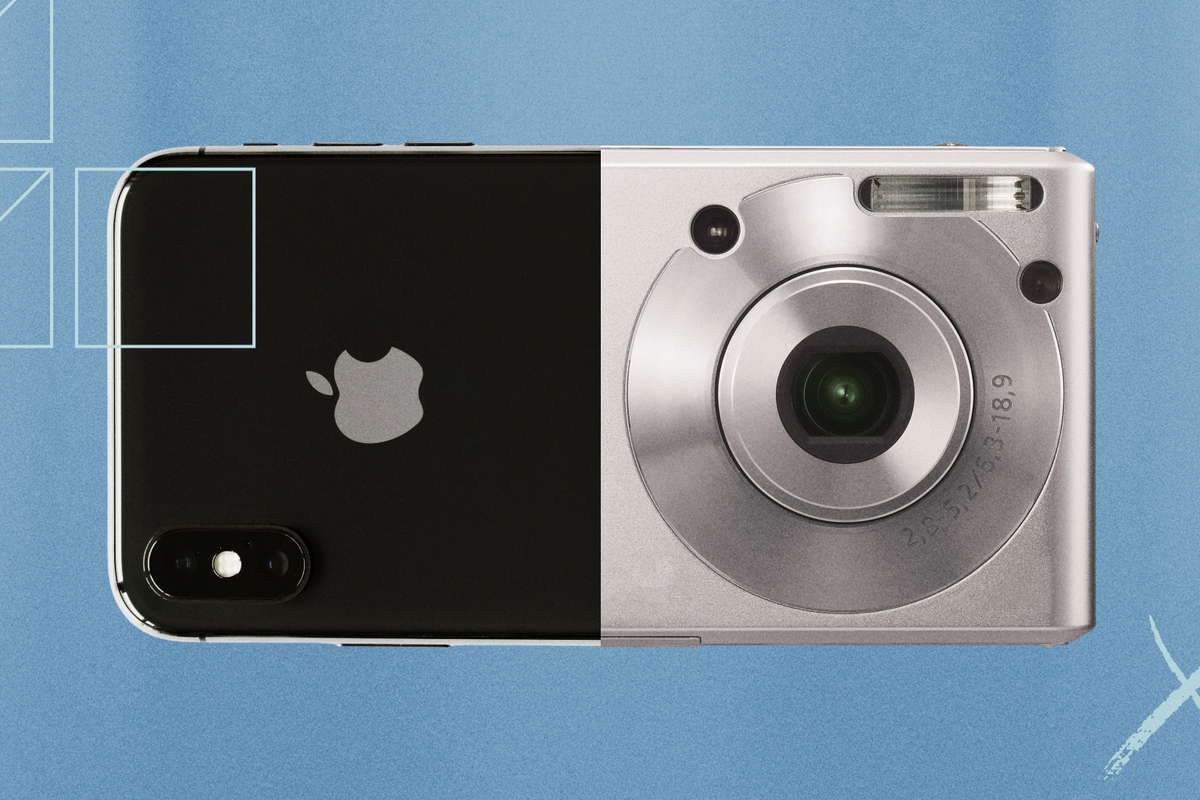
No, the size of the sensor matters, and phones are mediocre cameras. I will die on this hill.
The phone is always with you though, unlike the camera which got left at home.
I know I’m weird, but my camera is with me 99% of the time, in the backpack or strapped to my shoulder strap of the backpack for impromptu moments. I go into panic mode when I leave any building without my backpack.
the point is that 2000s digital cameras are even more mediocre (except the high-end kind it mentions at the end that aren’t seeing a revival)
The article completely missed the point of CCD vs CMOS sensors. CCD tends to leak when there is a high contrast. Combined with a harsh flash it gives a distinct look for night time party photos.
https://en.wikipedia.org/wiki/List_of_digital_cameras_with_CCD_sensors
the article does address the “distinct look” part:
here’s a photo from their review linked there:
That one is a more traditional film photo, not CCD bloom. But fair point.
It’s just that I have found myself in situations where groups of drunk 20-somethings ask me to take their photo with a vintage digicam. And having seen the results I get why they’re fun, the flash is strong and it makes things pop up so differently.
I guess it could be simulated, but I doubt they had the latest iPhone in their pocket and taking the photo wouldn’t have been as fun anyway. Also that flash would be difficult to make it work realistically.
The best camera is the one you have with you…
Yes, I had a really nice canon slr and a rollei compact with the good zeiss glass, but went on a long cycle trip and grams counted, so I reused a disposable camera: plastic fixed lens, single speed, reloading it inside the sleeping bag at night and sealing it up with duck tape. Developed at whatever one-hour available at the small towns we passed through.
Turned out okay, but great shots. I sold many of those photos. Because I had any camera at all.
The old point and shoot cameras didn’t really have better, or larger sensors. Phones are mediocre cameras compared to a DSLR or mirrorless camera in the hands of a skilled user. But I’d wager that most people would actually take better pictures with their phone than pro equipment.
This can be true, but ultimately it’s up to the target user group. Smartphone cameras are more than fine for the general consumer, and classic cameras have bulky size to accomodate the proper hardware for pros. The average consumer wants to both take photos at any given moment, and in parallel never carry bulky hardware for pro-level photos.