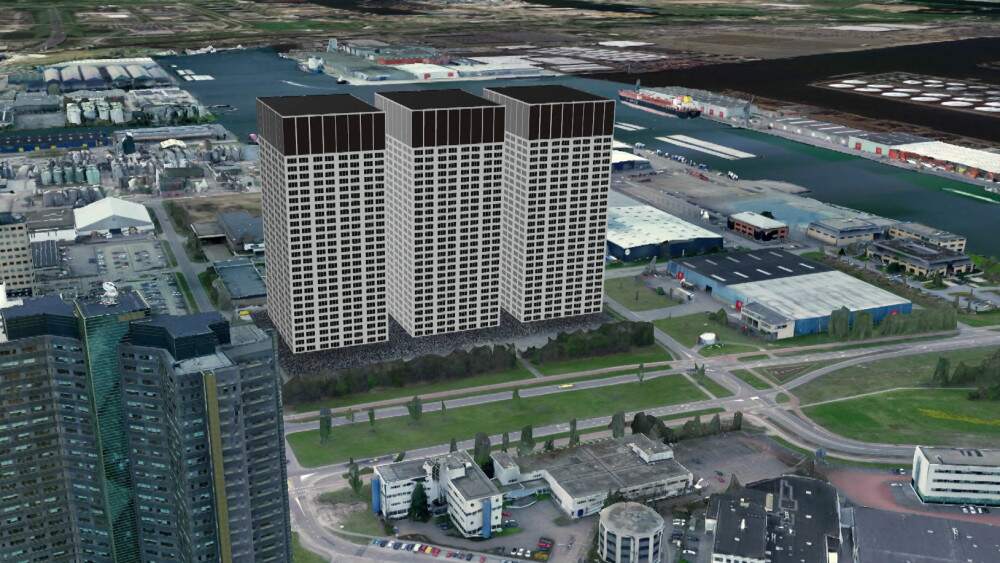
Climate action group Extinction Rebellion attacks Microsoft data centre construction site, amid growing worker opposition to AI facilities in the Netherlands.
Only if it is uncoated iron rebar. There are also coated rebar, galvanized rebar, stainless steel rebar, or fiberglass rebar.
Iron is the most popular rebar among workers for its ability to be shaped by hand and easily cut, but it’s lacking in longevity due to its chemical vulnerability.
Galvanized is also weak to chemical attacks but from Alkaline attacks.
coated rebar isn’t, it’ll always get dinged somewhere. stainless is expensive and the real available scalable option is either galvanized or sometimes basalt fiber, or glass fiber but i’ve not heard about it too much. the most important factor in slowing down corrosion is how thick concrete layer is on top of rebar, because concrete is very slightly porous and will let oxygen in, but the thicker that layer is, the slower oxygen gets to rebar, then the slower corrosion is, and this means it takes longer for rust layer to grow enough for concrete around rebar to fail due to swelling, because rust takes more volume than corroding steel
a bit of vinegar might strip zinc layer, but won’t do too much and definitely it won’t matter long term until most of zinc layer is gone. salt also promotes corrosion but this also depends on oxygen availability and won’t be too fast, it would only matter if there’s salt in concrete in large amounts


these things can corrode rebar slightly
Only if it is uncoated iron rebar. There are also coated rebar, galvanized rebar, stainless steel rebar, or fiberglass rebar.
Iron is the most popular rebar among workers for its ability to be shaped by hand and easily cut, but it’s lacking in longevity due to its chemical vulnerability.
Galvanized is also weak to chemical attacks but from Alkaline attacks.
coated rebar isn’t, it’ll always get dinged somewhere. stainless is expensive and the real available scalable option is either galvanized or sometimes basalt fiber, or glass fiber but i’ve not heard about it too much. the most important factor in slowing down corrosion is how thick concrete layer is on top of rebar, because concrete is very slightly porous and will let oxygen in, but the thicker that layer is, the slower oxygen gets to rebar, then the slower corrosion is, and this means it takes longer for rust layer to grow enough for concrete around rebar to fail due to swelling, because rust takes more volume than corroding steel
a bit of vinegar might strip zinc layer, but won’t do too much and definitely it won’t matter long term until most of zinc layer is gone. salt also promotes corrosion but this also depends on oxygen availability and won’t be too fast, it would only matter if there’s salt in concrete in large amounts