Even at $100, it’s still cheaper than games of yesteryear. If you take an average PS1 game, most sold for $50 in 1996, so $110 today. Games themselves are cheaper than ever, and consoles still have major advantages of just hooking it into a TV, and it simply works.
That whole “adjusted for inflation” thing is BS because the average wages haven’t kept up.
consoles still have major advantages of just hooking it into a TV, and it simply works.
That’s part of the “game just works” thing. It’s not worth the higher cost of games and playing online to me, but you do usually have to have some tech-savvy to use a PC that way.
Depends on how you take it, but wage growth has matched for core services and grown. Now if you are talking about education or housing costs, then no, they have went beyond wage growth. But electronics and energy? Wages have outpaces their costs and inflation quite a lot.


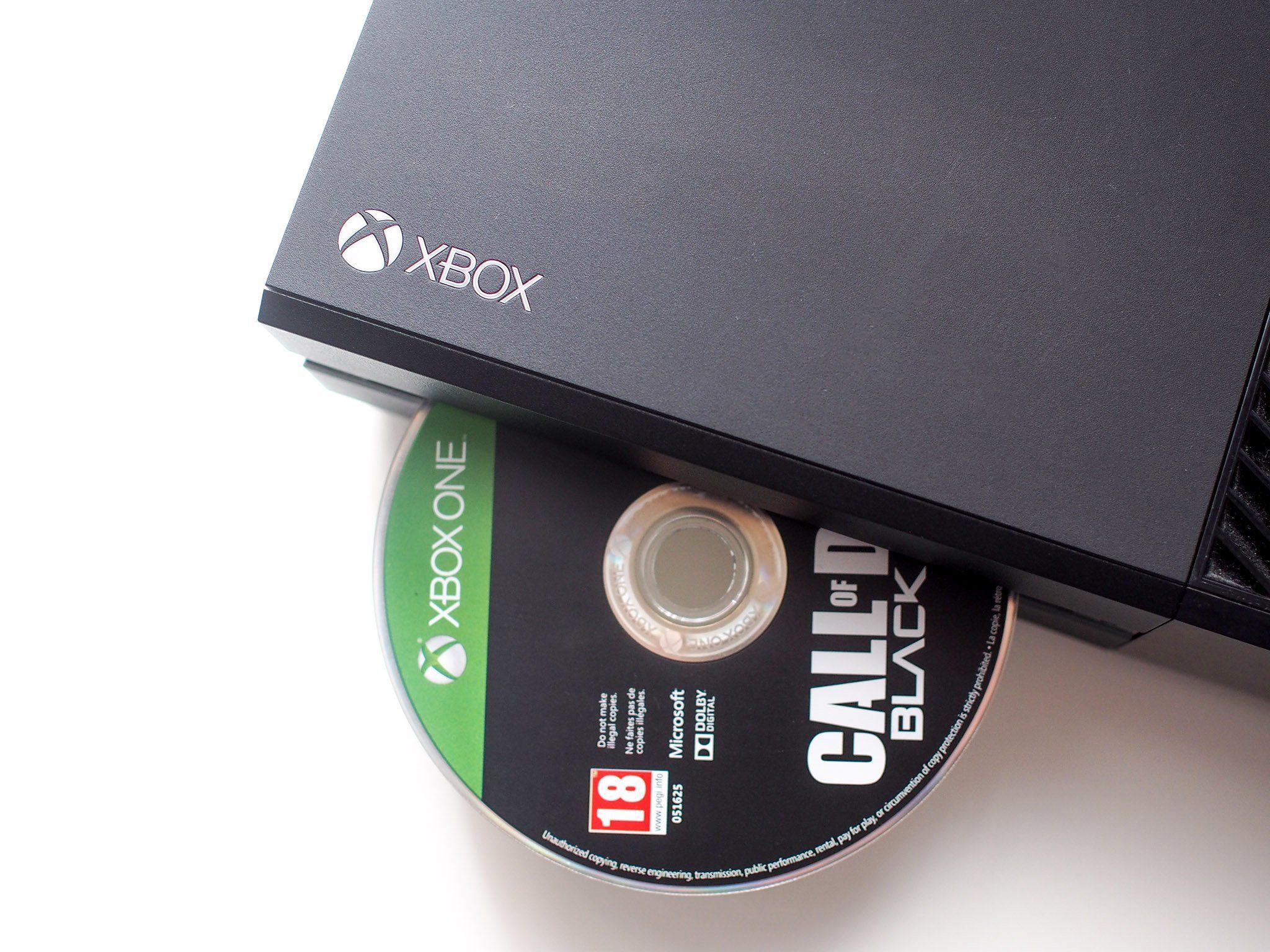
Even at $100, it’s still cheaper than games of yesteryear. If you take an average PS1 game, most sold for $50 in 1996, so $110 today. Games themselves are cheaper than ever, and consoles still have major advantages of just hooking it into a TV, and it simply works.
That whole “adjusted for inflation” thing is BS because the average wages haven’t kept up.
That’s part of the “game just works” thing. It’s not worth the higher cost of games and playing online to me, but you do usually have to have some tech-savvy to use a PC that way.
Depends on how you take it, but wage growth has matched for core services and grown. Now if you are talking about education or housing costs, then no, they have went beyond wage growth. But electronics and energy? Wages have outpaces their costs and inflation quite a lot.
Okay, general cost of living, then. How much the average person can afford to buy has not kept up.
Depends on what you are talking about again, because in general Americans are able to afford more ‘stuff’ than they ever have.
Actually, most of them were sold when they dropped the price to $20 or less a few months later. Only the hard-core fomo crowd bought at full price.