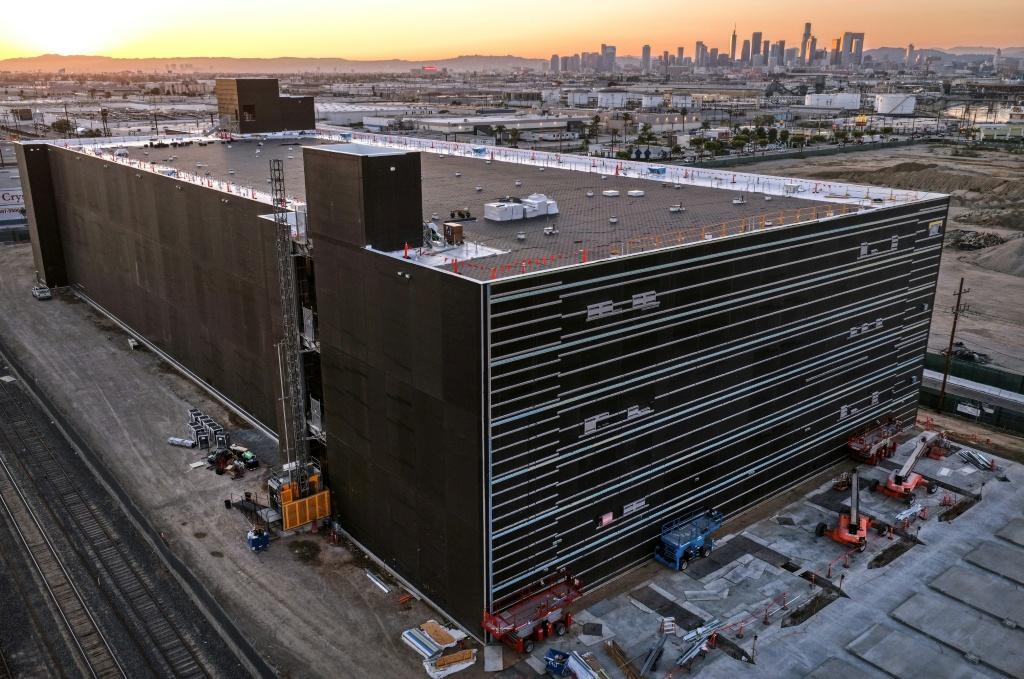
Data centers, whose expansion is being fueled dramatically by the artificial intelligence boom, have a far bigger carbon footprint than previously estimated, according to a new study. The sprawling, power-hungry sites, used to store critical IT infrastructure like servers, are being built worldwide by companies and countries as AI applications…


How many customers do this?
At least here in the Bay Area, hard drives and SSDs get destroyed, but a lot of the other equipment goes to e-waste recyclers who end up refurbishing it and selling it on marketplaces like eBay.
A lot of homelabbers get their equipment from eBay, and the source of that equipment is almost always second-hand data center equipment.
Everyone.
Its not worth it to them. They are making money hand over fist with these services and they right them off. So there is zero incentive to keep the gear.
Sometimes we buy the entire system for a dollar if we can use it on our network. Meaning we built these data centers for our systems. If there is space in them we allow colocation of other companies gear. Its better than empty racks and we charge a lot.
And I would be interested on how they are referbing the equipment and selling for a profit. When its devalued to zero it gets messy w/ the tax code. Not throwing shade, I would rather go this way then the landfill but this is what I was told by the executives. Also liability, someone illegally dumps them and the DNR runs the serial numbers they come back to you.
I got in a ton of trouble when I recycled (for no money, I raged on this point) a pile of battery bank cells and didnt require the scrap dealer to list all the SN on the invoice.
My understanding is that an e-waste recycling company is contracted to take all the old equipment. The original company can say they’ve recycled it, record it as such, and doesn’t care what’s done with the equipment after that - whether that be reselling it, recycling it, whatever. The e-waste company is the one that handles finding the useful stuff and refurbishing it.
Interesting, maybe w/ my company they just don’t want to risk it w/ 3rd party (customers) equipment. Or more likely we don’t have the authority to tell the recycler that because its not our gear?
I know with our gear we ship it back to depot when its no longer in use as we have other centers that can use it. Or the repair group will part it out for future repairs.
I will say it chaps my ass seeing a roll away taken away w/ 5-10 million dollars of gear to be crushed.
Same w/ the cardboard, I asked for a bailer, too dangerous, denied. Asked for a cardboard only dumpster, again denied. We had a local charity picking it up as they made a few bucks off it. That got nixed for liability concerns… I gave up at that point.
The big issue is that there’s no risk and hardly any cost to the landfill, while there’s a bit of work and thinking required for reuse, with not much more benefit than that it’s doing the right thing.
And you don’t get to become a capitalist overlord for doing the right thing.
It’s high time that tax codes and regulation make dumping e-waste and unsorted trash extremely expensive.
I agree on the risk aspect and that was the driving force. I had more examples I got from the exec’s like “What if one of these old servers burn a house down? Who you think they are going to sue”.
Also on the recycling side that there are checks in place that if say my company says “no” to refurb that they shred the servers up and recycle the bits they can.
But something has to give, over my career I have seen so much just be carted off to the landfill it would make you sick. And I worked small data centers. Nothing like what they are proposing now.
Yeah, that’s mostly a regulation/legal incentives situation, combined with lack of education on the side of the execs.
It is possible to sell devices as “defective”, even if they aren’t defective. That way you don’t have warranty or other legal obligations.
Similar story with the “Scrap the whole device for data privacy reasons”. That’s not a thing. Scrapping the storage media, sure, totally. Scrapping the mainboard, case and power supply? That’s crap.
But the main issue is that there’s no incentive for companies to reuse devices versus scrapping them. So they scrap the whole thing without regards to anything else, because it’s a single decision that requires no further thought und it’s cheap enough that it doesn’t matter.
If they’d have to pay for full recycling cost, so the cost for actually turning 100% of the device back into usable raw components, then they will instantly start giving those away for free.