"It really seems like anyone with some renders and a white paper written by someone being gassed up by an overly agreeable AI can get VC funding these days."
No. In the vacuum of space there is no convection. The only maintenance free(ish) method of discharging waste heat is to radiate it as infrared, which is not terribly effective compared to terrestrial heat management systems where we have the benefit of a big old atmosphere to dump heat into.
Radiative cooling into space is seriously weaksauce. The amount of heat an object can dissipate in such a manner is described by the Stefan-Boltzmann Law. It would take nearly a square meter (0.84 m2 according to my admittedly possibly shaky math) of perfectly ideal thermally conductive black body radiator material to dissipate the 640 watts of waste heat from just one datacenter style GPU at 70° C.
A square meter of heatsink. For one GPU.
Your radiator heat sink can’t be shaped like a terrestrial one, either, with stacked fins providing a high surface area in a small volume. That’s because a black body radiator is not only an ideal emitter of heat into a vacuum, such as it is, but also an ideal receiver. Your heat sinks will have to be wide and flat so they don’t radiate most of their heat right back into other parts of themselves, and this also precludes putting your equipment near other pieces of equipment so they don’t radiate their heat into each other.
A single server rack in an AI data center will consume and thus have to dissipate something like 80 killowatts, i.e. 80,000 watts, which even if you had access to some type of physics-experiment-land totally ideal radiator material with an emissivity of exactly 1 would require a 102 square meter radiator just to dissipate that same 70° C. And no part of it could be baking in the sun, nor be influenced thermally by any adjacent servers. In reality it’d have to be even larger, because such a perfectly ideal material does not exist.
TL;DR: Getting rid of heat in space is extremely difficult and in fact is one of the biggest challenges of spacecraft design. Thus putting massive heat generating computers in space is a self-evidently moronic idea as cooling them would be effectively impossible.
And do what with it? You can’t use heat to do work without there being temperature differential in the system. Maintaining that differential requires keeping your cold side cold, which means it still must dissipate its heat. In space you would have exactly the same problem doing that as just radiating that heat in the first place. Once your system reaches equilibrium between its hot and cold sides, no work could be done with that heat energy. It’s just a radiator with extra steps.
If capturing heat energy to do something with it did not require sinking the waste heat from that selfsame process someplace, every satellite in orbit would already be covered in Peltiers or similar.
You can warm your hands until you reach thermal equilibrium, and/or use the boiling water to cool your system by allowing the water vapor to escape into space!


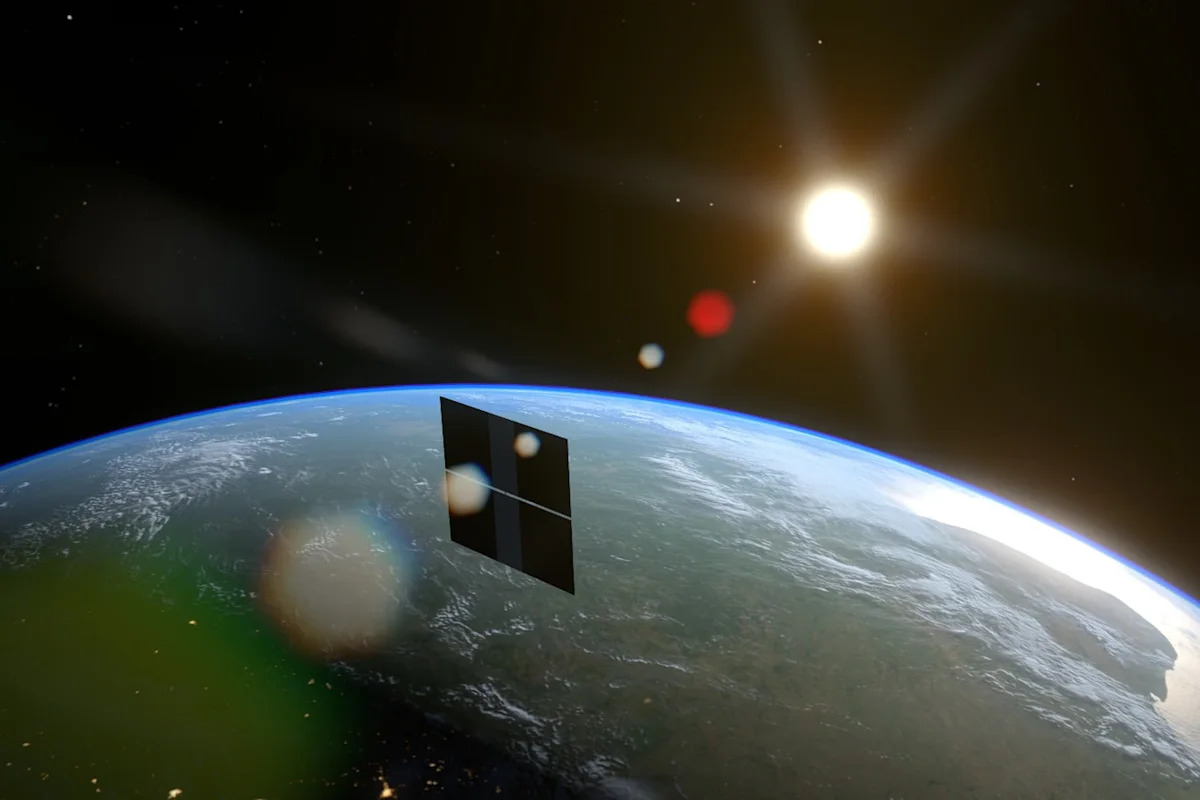
No. In the vacuum of space there is no convection. The only maintenance free(ish) method of discharging waste heat is to radiate it as infrared, which is not terribly effective compared to terrestrial heat management systems where we have the benefit of a big old atmosphere to dump heat into.
Radiative cooling into space is seriously weaksauce. The amount of heat an object can dissipate in such a manner is described by the Stefan-Boltzmann Law. It would take nearly a square meter (0.84 m2 according to my admittedly possibly shaky math) of perfectly ideal thermally conductive black body radiator material to dissipate the 640 watts of waste heat from just one datacenter style GPU at 70° C.
A square meter of heatsink. For one GPU.
Your radiator heat sink can’t be shaped like a terrestrial one, either, with stacked fins providing a high surface area in a small volume. That’s because a black body radiator is not only an ideal emitter of heat into a vacuum, such as it is, but also an ideal receiver. Your heat sinks will have to be wide and flat so they don’t radiate most of their heat right back into other parts of themselves, and this also precludes putting your equipment near other pieces of equipment so they don’t radiate their heat into each other.
A single server rack in an AI data center will consume and thus have to dissipate something like 80 killowatts, i.e. 80,000 watts, which even if you had access to some type of physics-experiment-land totally ideal radiator material with an emissivity of exactly 1 would require a 102 square meter radiator just to dissipate that same 70° C. And no part of it could be baking in the sun, nor be influenced thermally by any adjacent servers. In reality it’d have to be even larger, because such a perfectly ideal material does not exist.
TL;DR: Getting rid of heat in space is extremely difficult and in fact is one of the biggest challenges of spacecraft design. Thus putting massive heat generating computers in space is a self-evidently moronic idea as cooling them would be effectively impossible.
Thanks for the thorough answer. I guess I’ll just scrap this orbital data centre I was building.
One day we will figure out how to capture and store waste heat more effectively.
No idea when tho
And do what with it? You can’t use heat to do work without there being temperature differential in the system. Maintaining that differential requires keeping your cold side cold, which means it still must dissipate its heat. In space you would have exactly the same problem doing that as just radiating that heat in the first place. Once your system reaches equilibrium between its hot and cold sides, no work could be done with that heat energy. It’s just a radiator with extra steps.
If capturing heat energy to do something with it did not require sinking the waste heat from that selfsame process someplace, every satellite in orbit would already be covered in Peltiers or similar.
What if i just want to warm my hands or boil water
You can warm your hands until you reach thermal equilibrium, and/or use the boiling water to cool your system by allowing the water vapor to escape into space!
*Rocket fuel and other launch costs not included.
Just wanna boil pasta duh