"It really seems like anyone with some renders and a white paper written by someone being gassed up by an overly agreeable AI can get VC funding these days."
Other people have already explained the topic in sufficient detail, so I’ll just leave a quote from a former NASA engineer and a link to their article.
Taking the NVIDIA H200 as a reference, the per-GPU-device power requirements are on the order of 0.7kW per chip. These won’t work on their own, and power conversion isn’t 100% efficient, so in practice 1kW per GPU might be a better baseline. A huge, ISS-sized, array could therefore power roughly 200 GPUs. This sounds like a lot, but lets keep some perspective: OpenAI’s upcoming Norway datacenter is intending to house 100,000 GPUs, probably each more power hungry than the H200. To equal this capacity, you’d need to launch 500 ISS-sized satellites. In contrast, a single server rack (as sold by NVIDIA preconfigured) will house 72 GPUs, so each monster satellite is only equivalent to roughly three racks.


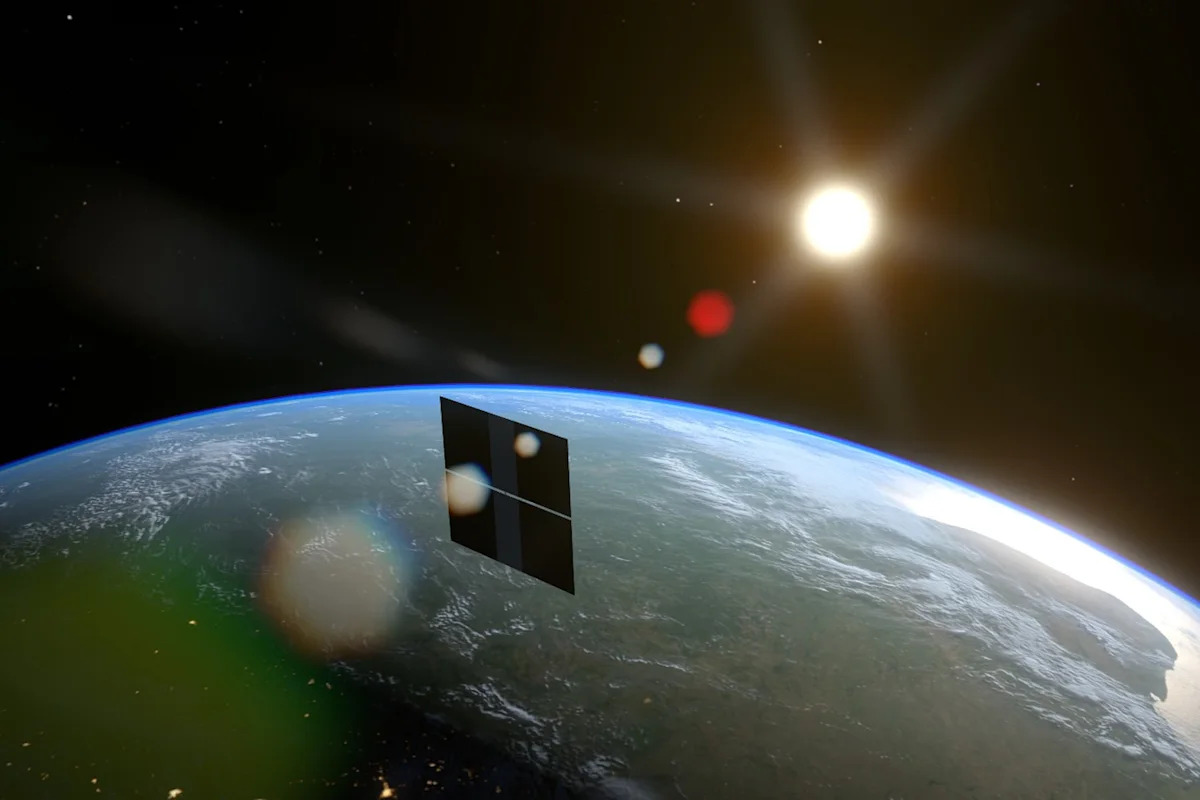
Other people have already explained the topic in sufficient detail, so I’ll just leave a quote from a former NASA engineer and a link to their article.
Source: Datacenters in space are a terrible, horrible, no good idea.
It all comes down to $/kg of payload. There’s infinite space up there.
How is this a rational argument? With infinite money we could put the Empire State building on Venus but it would be really fucking stupid.
It’s rational because the payload cost is coming down and down and down with SpaceX. Reusable rockets was a massive step.
Once it’s affordable, why wouldn’t they do it?