"It really seems like anyone with some renders and a white paper written by someone being gassed up by an overly agreeable AI can get VC funding these days."
Self landing rockets were practically impossible not that long ago
Technically, they still are.
Self driving cars were practically impossible not that long ago.
There have been implementations of a sell-driving vehicle since the 1980s, and we’re still far away from “true” full self diving.
Both of these examples demonstrate the adage of “the first 90% of the work takes 10% of the effort, and the last 10% work takes 90% of the effort”.
The main factor against it is the $/kg of payload into space.
Oh my lord no. Although, technically yes but not for the reason you think.
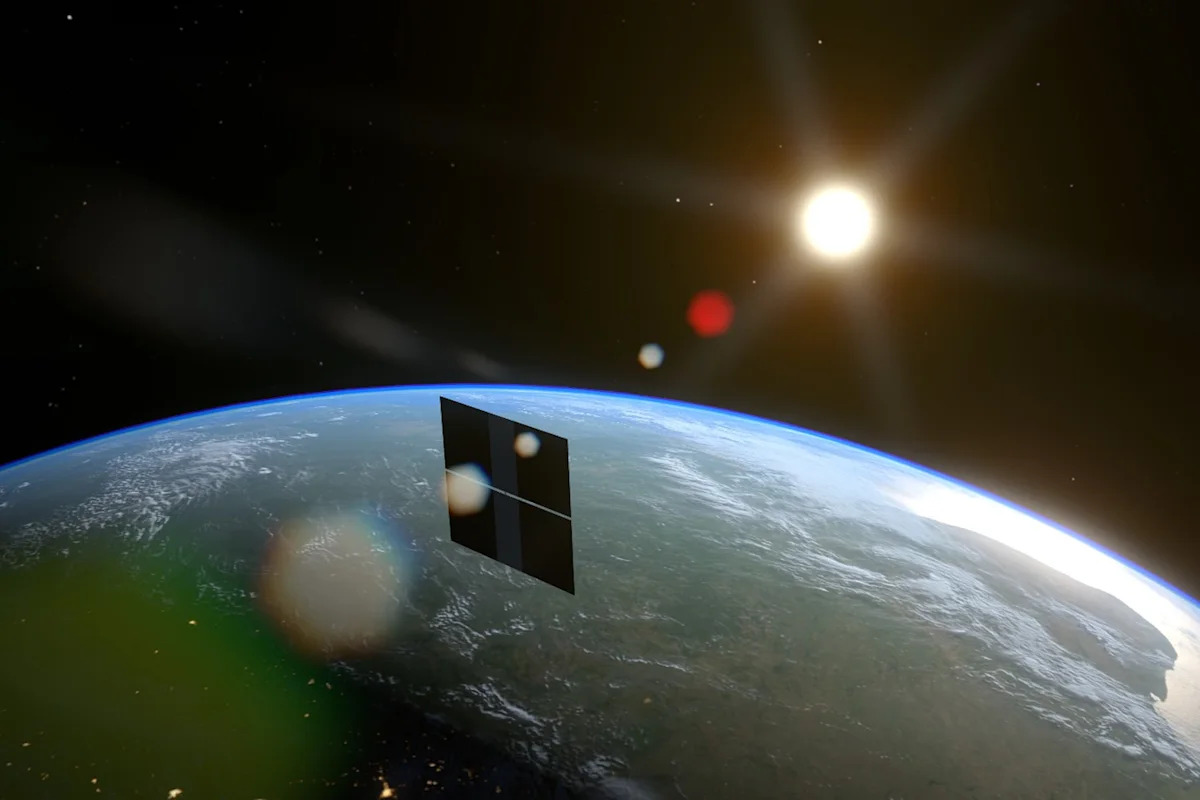
The number one issue is heat dissipation. To radiate the heat from one DC satellite (at the power levels needed to run AI workloads) would need a football sized dissipation array. Even if Space X can invent some magical new physics and cut that down to a quarter of that size (hint: they can’t), we’re still talking about an order of magnitude increase in payload per satellite.
Next on the list is volume. We’re currently at around 14k man-made objects in low earth orbit. As it is, satellites (including the ISS) have to perform collision avoidance maneuvers every so often. The calculated limit of satellites we can put up to low earth orbit before orbital collision maneuvers start to become unmanageable is 100k. Basically after that amount we enter into a state where several corrections for each satellite are made regularly, and a single collision at the 100k limit would result in a cascading series of collisions that will render low earth orbit impossible to use. Basically after that anything you put up will get shredded by the insane amounts of debris.
Space X wants to put up a MILLION massive satellites that will require extremely large structures to dissipate the heat from the very power hungry AI chips.
They fully know the impossibility, and when challenged about the over crowding issue during an interview, an engineer brushed it off as “it’s not a problem”. People who speak that way about science and engineering issues are not serious people.
That’s one of the many issues SpaceX is working to solve, and there’s nothing to suggest they won’t get there.
There are countless engineering and physics reasons why they won’t. Stop sniffing Elon’s farts. They’re not good for your brain.
Edit: all of this is to say: space datacentres are the dumbest idea yet to come out of that idiots face hole. And he’s said a lot of really really dumb things.
I suspect Musk is trying to ensure his satellites are up before anyone else’s, so when the inevitable legislation is enacted to control who launches what, he already “owns” the lion’s share of “orbital real estate”.
They’re not going to put up these satellites, because they won’t be close to usable or affordable. Either the workloads will be miniscule, or the cost to put them into orbit is prohibitive.
The whole pitch was a cool sounding “space age” solution to a problem with AI datacentres that everyone is aware of. It was just a snakeoil salesman’s promise just so he could con investors out of money for his sweet 1.7 trillion.
So like you said, I’m correct. The only issue with thermal radiation is $/kg of payload. Again, this is an issue that they’re working to solve via methods like reusable rockets.
So like you said, I’m correct. The only issue with thermal radiation is $/kg of payload.
That’s not what you said. You implied the only limiting factor is a reasonable payload that can be resolved by the current incremental improvements to rocket tech.
What I said is that even with massive improvements to rocket tech, it will still be a near impossibility to get as many AI (or even regular datacentre) satellites into space.
The other issue is that the thermal dissipation problem is not solved for such a large amount of heat in space. It’s quite hard to dump large amounts of heat in space, and it needs to be done rapidly with computing. And the larger you make your dissipators the more you run into “how do I move that heat from the source and out towards the edge of the dissipators?” Because you need to utilize ALL of the dissipator if you want to keep your server parts cool. But moving that heat around a massive array is not trivial. If you’re using a fluid and moving it with pumps, then now your adding even more heat with the pumps.
And then there’s the issue with long term investment. These server components are going to be obsolete in a few years (and nevermind failures). And IIRC, they have plans to regularly de-orbit these things every number of years, which means even more launches at a regular basis to keep the swarm numbers constant.
And none of that matters in the face of the low earth orbit crowding issue that IS a massive problem.


Technically, they still are.
There have been implementations of a sell-driving vehicle since the 1980s, and we’re still far away from “true” full self diving.
Both of these examples demonstrate the adage of “the first 90% of the work takes 10% of the effort, and the last 10% work takes 90% of the effort”.
Oh my lord no. Although, technically yes but not for the reason you think.
The number one issue is heat dissipation. To radiate the heat from one DC satellite (at the power levels needed to run AI workloads) would need a football sized dissipation array. Even if Space X can invent some magical new physics and cut that down to a quarter of that size (hint: they can’t), we’re still talking about an order of magnitude increase in payload per satellite.
Next on the list is volume. We’re currently at around 14k man-made objects in low earth orbit. As it is, satellites (including the ISS) have to perform collision avoidance maneuvers every so often. The calculated limit of satellites we can put up to low earth orbit before orbital collision maneuvers start to become unmanageable is 100k. Basically after that amount we enter into a state where several corrections for each satellite are made regularly, and a single collision at the 100k limit would result in a cascading series of collisions that will render low earth orbit impossible to use. Basically after that anything you put up will get shredded by the insane amounts of debris.
Space X wants to put up a MILLION massive satellites that will require extremely large structures to dissipate the heat from the very power hungry AI chips.
They fully know the impossibility, and when challenged about the over crowding issue during an interview, an engineer brushed it off as “it’s not a problem”. People who speak that way about science and engineering issues are not serious people.
There are countless engineering and physics reasons why they won’t. Stop sniffing Elon’s farts. They’re not good for your brain.
Edit: all of this is to say: space datacentres are the dumbest idea yet to come out of that idiots face hole. And he’s said a lot of really really dumb things.
I suspect Musk is trying to ensure his satellites are up before anyone else’s, so when the inevitable legislation is enacted to control who launches what, he already “owns” the lion’s share of “orbital real estate”.
They’re not going to put up these satellites, because they won’t be close to usable or affordable. Either the workloads will be miniscule, or the cost to put them into orbit is prohibitive.
The whole pitch was a cool sounding “space age” solution to a problem with AI datacentres that everyone is aware of. It was just a snakeoil salesman’s promise just so he could con investors out of money for his sweet 1.7 trillion.
So like you said, I’m correct. The only issue with thermal radiation is $/kg of payload. Again, this is an issue that they’re working to solve via methods like reusable rockets.
That’s not what you said. You implied the only limiting factor is a reasonable payload that can be resolved by the current incremental improvements to rocket tech.
What I said is that even with massive improvements to rocket tech, it will still be a near impossibility to get as many AI (or even regular datacentre) satellites into space.
The other issue is that the thermal dissipation problem is not solved for such a large amount of heat in space. It’s quite hard to dump large amounts of heat in space, and it needs to be done rapidly with computing. And the larger you make your dissipators the more you run into “how do I move that heat from the source and out towards the edge of the dissipators?” Because you need to utilize ALL of the dissipator if you want to keep your server parts cool. But moving that heat around a massive array is not trivial. If you’re using a fluid and moving it with pumps, then now your adding even more heat with the pumps.
And then there’s the issue with long term investment. These server components are going to be obsolete in a few years (and nevermind failures). And IIRC, they have plans to regularly de-orbit these things every number of years, which means even more launches at a regular basis to keep the swarm numbers constant.
And none of that matters in the face of the low earth orbit crowding issue that IS a massive problem.