Personally, I think this is just another chapter in the conflict the DOJ is having against Anthropic because they refused to let their tools be used for war.
They did allow them to be used for war. Anthropic’s only red lines were autonomous weapons (technically still a ways off) and domestic surveillance (it was this one where a ‘No’ would have been relevant right now).
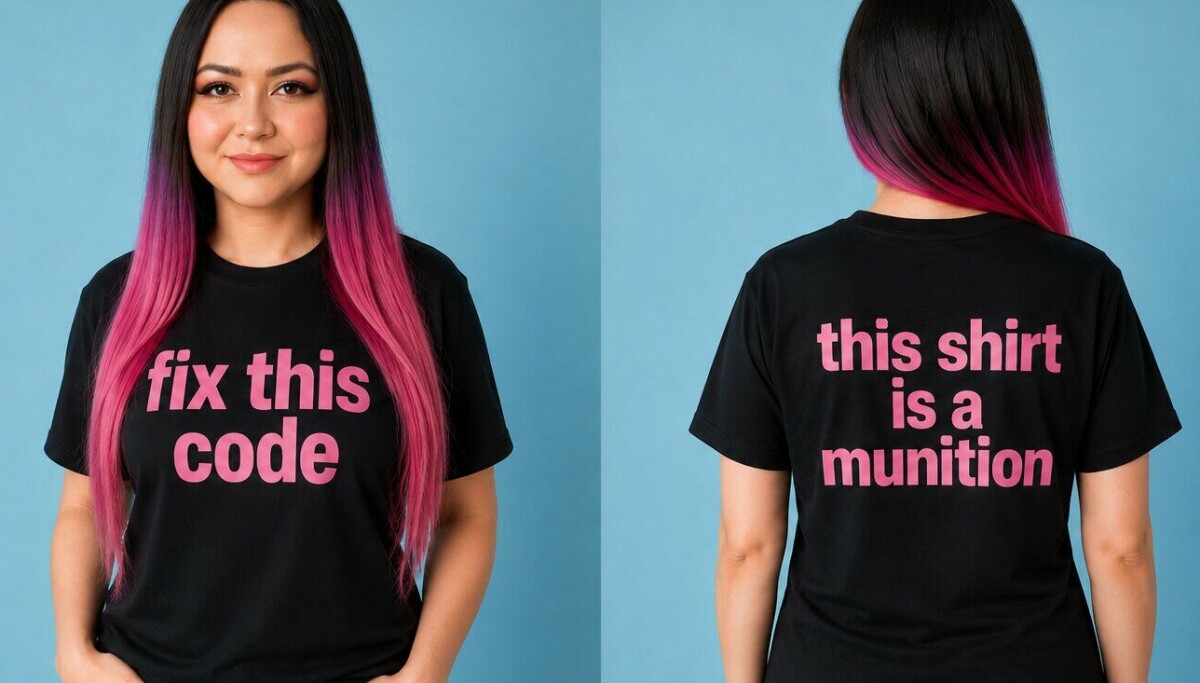
It should really alarm everyone that the US gov is using things like the first ever declaration of an American company as a supply chain risk or calling “fix this insecure code” something requiring export control and IDs to verify citizenship of usage as a way to warn other companies to comply with their illegal usage requests.
You’re mostly right but I have a small correction (after getting the “red lines” burned into my retinas):
Anthropic only drew the line at fully autonomous weapons - aka the ones where the launch order would be their responsibility. Semi-autonomous ones (e.g. with a soldier hitting the “go” button at the end) were still a-ok
And they only refused mass domestic surveillance, i.e. targeted surveillance of locals (and of course mass surveillance of people abroad) was still on the table


Personally, I think this is just another chapter in the conflict the DOJ is having against Anthropic because they refused to let their tools be used for war.
They did allow them to be used for war. Anthropic’s only red lines were autonomous weapons (technically still a ways off) and domestic surveillance (it was this one where a ‘No’ would have been relevant right now).
It should really alarm everyone that the US gov is using things like the first ever declaration of an American company as a supply chain risk or calling “fix this insecure code” something requiring export control and IDs to verify citizenship of usage as a way to warn other companies to comply with their illegal usage requests.
Ah, my bad. Thanks for the correction.
You’re mostly right but I have a small correction (after getting the “red lines” burned into my retinas):