

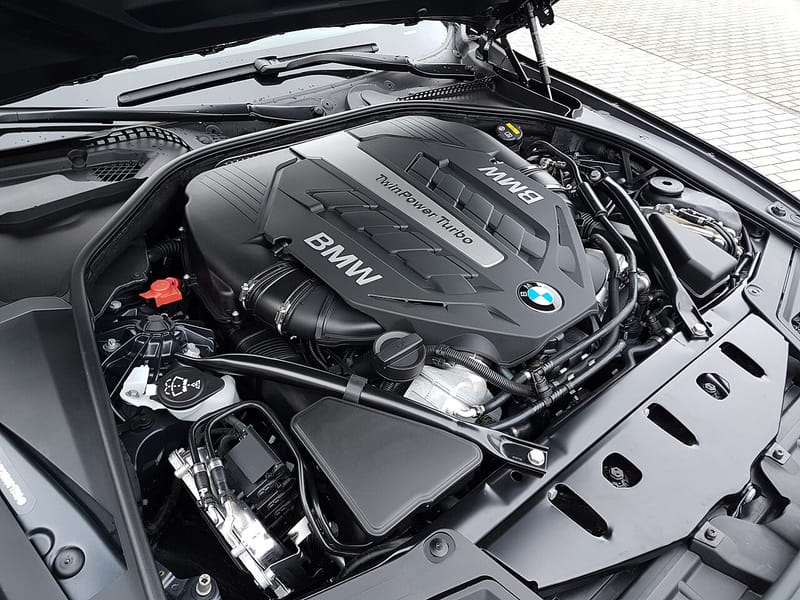
The modern automobile is safer, cleaner, more efficient, and more technologically advanced than anything that came before it. Yet those improvements have come at a cost. For many owners, mechanics, and independent repair shops, that cost is repairability.
Would be an interesting court case… If I’m not even shown or given a method to see a disclaimer, can it disclaim anything (is that even good English? You know what I mean but there must be a way to say it)?
Part of me says no. The company should make safe devices, a lamp is certified by ul and a car us way more dangerous.
Part of me say yes. People are really stupid sometimes. Companies shouldn’t need to design everything with bubble wrap and people need to know not to slam their head into a coffee mug.
The sad part is this will/has gone to court and the first case will determine the future. Like someone is like “Nissan video recorded me buying lunch at McDonald’s and saw my pin code” court says there was no damage since you can change your pin and no record of fraudulent charges. From then on there is legal precedent they can take your pin code. Year 2056, you see a Ford employee emptied your bank account by buying door dash, court states “Sorry, 30 years ago these other people said someone seeing your bank account data with your car camera is fine, just deal with your empty bank account.”
I honestly think they are banking on it never having to go to court. Most people don’t read contract terms, EULAs and TOS’s, and for the most part all three are written in legalese so most people have a harder time understanding them. If nobody knows it’s there they don’t have to worry about people taking them to court over it. So they think it’s better to beg forgiveness (or the court) than to ask permission (follow what few privacy laws we have).
I think that’s why people were so scandalized when Mozilla made their report about the data car companies collect on drivers and passengers and so on. A lot of car features that spy on people are marketed as safety and convenience features.
Onstar started the whole “if you’re ever in a crash or the car becomes disabled” etc thing and car companies decided that was a brilliant idea and they have been collecting data about everything they can ever since.
About the same time they decided that the less maintenance a person could do on the vehicle the more they could make for repairs (locking in parts distribution with certified labor at dealerships). And then they realized cars that are expensive to fix and that people can’t fix themselves sort of snowballed into people can (and will) just buy new cars so we can sell more cars etc etc.
So it’s all a whole interconnected plot of convenience, safety, telemetry data, data collection, and fixability leveraged against buying new cars every few years. And car companies have already proven to us again and again that they’ll bet against our knowing enough to know we’re being taken advantage of so they figure it’s cheaper to do it this way and fight the few lawsuits that do crop up.
Partially you are right. My only disagreement is while most people don’t read those documents, 1 lawyer who is bored and sees a pay day is all that’s needed. Like someone has a law degree but can’t find a practice to hire them so they go to a dealership, test drive a vehicle, sit down to sign paperwork, read everything and are like “hold up… Can you give me a copy of this?.. Thanks, tell your boss to expect a letter from me.”
It’s like general computer security, you can block 500 bugs and security flaws but if 501st is discovered it’s a really bad day.