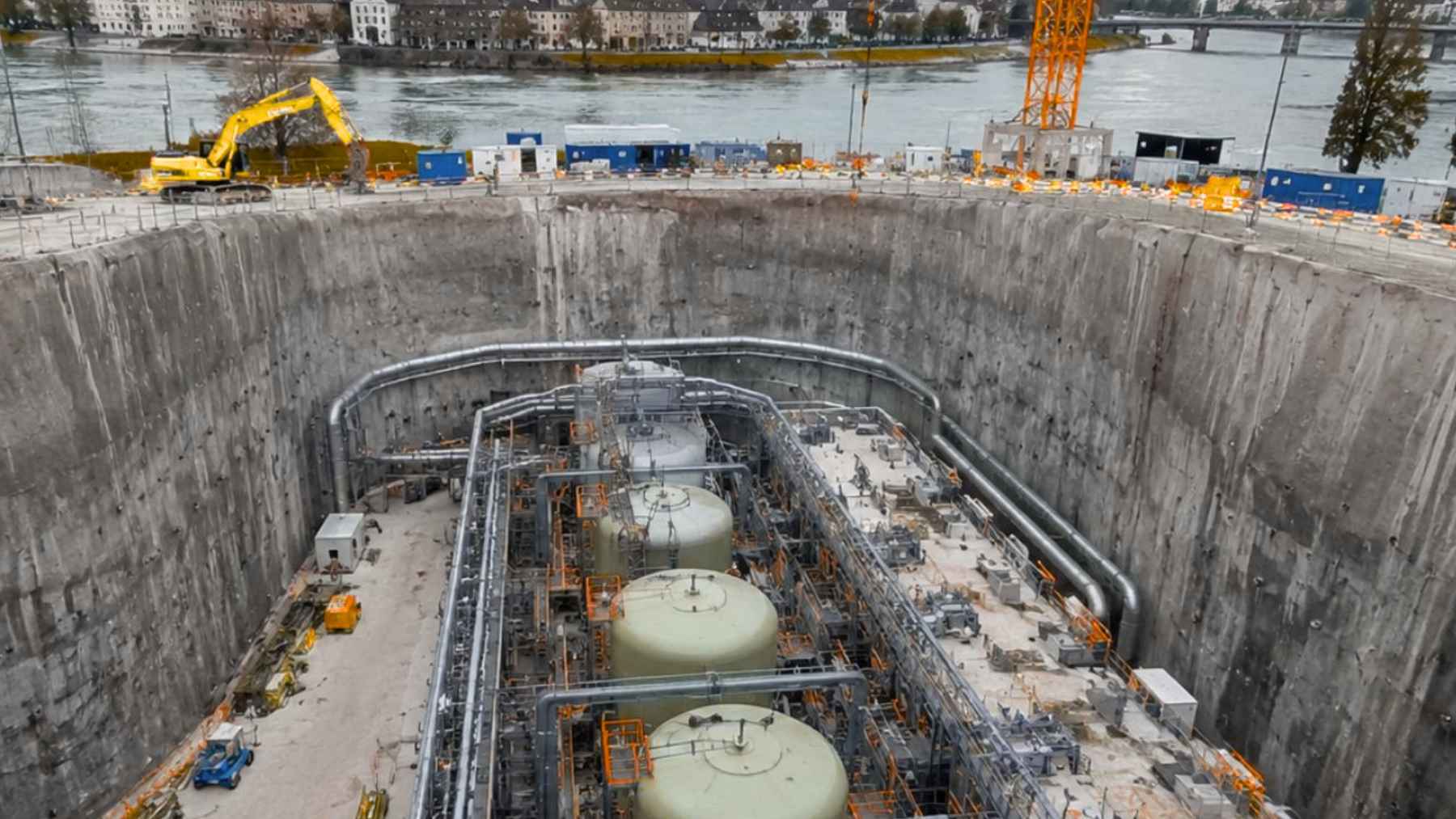
Gsus4@mander.xyz to Technology@lemmy.worldEnglish · edit-22 months agoSwitzerland dug a hole the size of two soccer fields to install the world’s most powerful underground battery, able to output 1.2 GW within milliseconds.www.ecoticias.comexternal-linkmessage-square133fedilinkarrow-up1499arrow-down19
arrow-up1490arrow-down1external-linkSwitzerland dug a hole the size of two soccer fields to install the world’s most powerful underground battery, able to output 1.2 GW within milliseconds.www.ecoticias.comGsus4@mander.xyz to Technology@lemmy.worldEnglish · edit-22 months agomessage-square133fedilink
minus-squareImperious_melange@lemmy.worldlinkfedilinkEnglisharrow-up39·edit-22 months agodeleted by creator
minus-squareNihilsineNefas@slrpnk.netlinkfedilinkEnglisharrow-up7·2 months agoCheers for putting the legwork in, they’re even cooler than I thought
minus-squareOrygin@sh.itjust.workslinkfedilinkEnglisharrow-up4·2 months agoI think that’s the same kind of battery technology as explained in this video. Most certainly not the same chemistry used, but same in principle
minus-squareteyrnon@sh.itjust.workslinkfedilinkEnglisharrow-up1arrow-down1·2 months agoI read some years back about I think the first big heavy industrial vanadium battery being built for some washington state company if I recall.


deleted by creator
Cheers for putting the legwork in, they’re even cooler than I thought
I think that’s the same kind of battery technology as explained in this video. Most certainly not the same chemistry used, but same in principle
I read some years back about I think the first big heavy industrial vanadium battery being built for some washington state company if I recall.