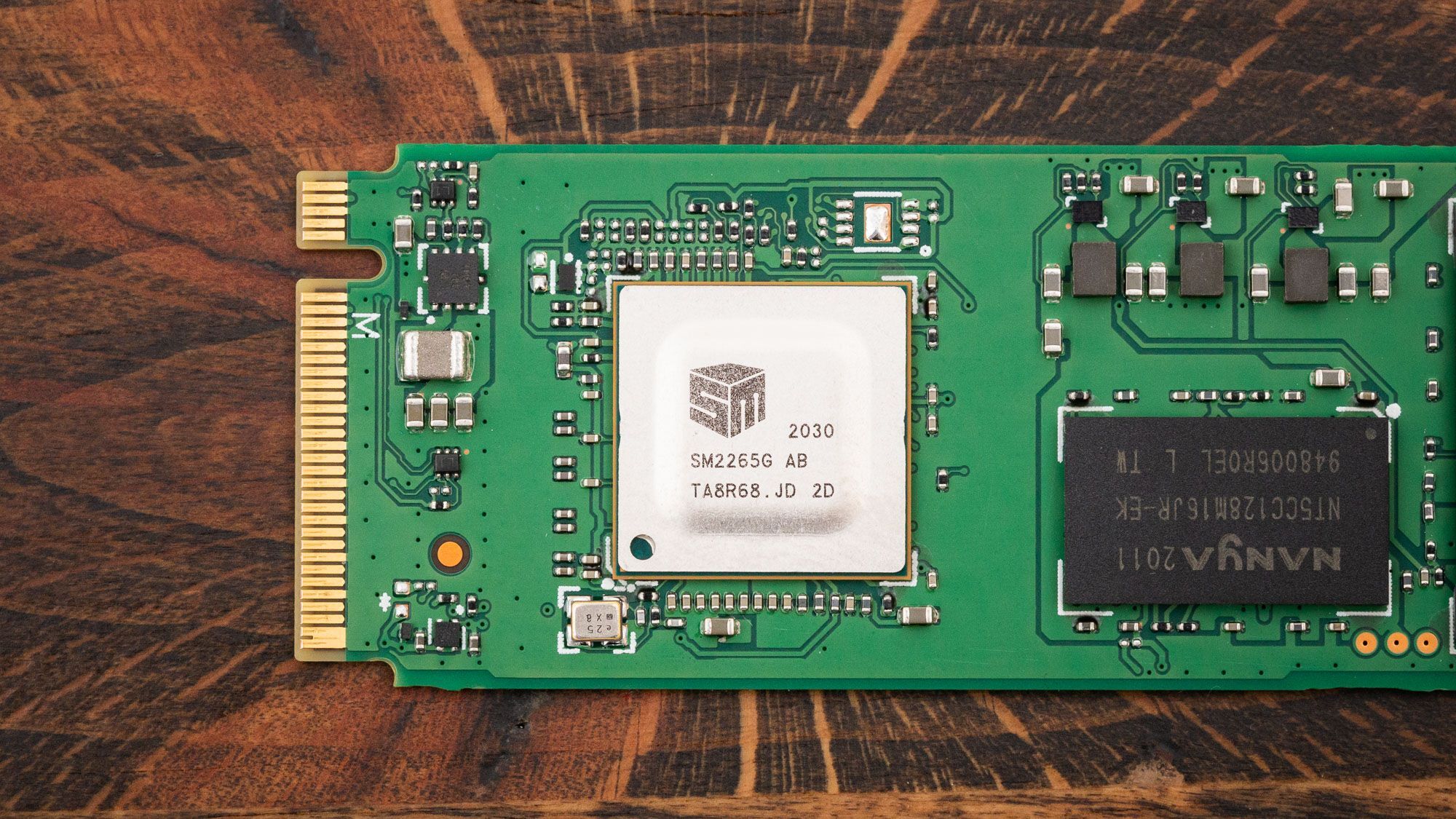
The attack creates a large OPFS file on the victim’s SSD, with both Chrome and Safari allowing a website to claim up to 60% of total disk space through OPFS, which on a 256GB drive is over 150GB.
Am I reading this right? 60% of all your disk space can be confiscated by some random web site? I gotta figure out how to get my browser cache onto some tiny partition.
I’ve done it with some apps/games by placing the folder in question on a separate drive/partition and using junction points (I use Junction Link Magic, but you can do it manually from command prompt) to basically create a ghost of the folder in the original location that routes everything to the new location.
You could create a small hidden partition just for the browser cache folder to reside on using this method.


Am I reading this right? 60% of all your disk space can be confiscated by some random web site? I gotta figure out how to get my browser cache onto some tiny partition.
I’ve done it with some apps/games by placing the folder in question on a separate drive/partition and using junction points (I use Junction Link Magic, but you can do it manually from command prompt) to basically create a ghost of the folder in the original location that routes everything to the new location.
You could create a small hidden partition just for the browser cache folder to reside on using this method.
Replicating this on Linux would be as simple as ln -s to make a symbolic link
Symbolic links for the win!