Yes normally speaking that would be logical. But today nobody is producing any products anymore for consumers.
Hack even one of the 3 chip products, Micron, just said fk consumers. We only focus on businesses (Ai datacenters). Since we can earn more that way. In the short term at least.
They’ll just stop making them and shift toward parts that sell with a x100 markup fueled by batshit insane speculation. They’ll become a niche product in high demand thus prices will ultimately rise.
No, sales are going down because prices are going up. If you have a fixed inventory and sales go down, you lower prices to increase demand and move the product and keep your revenue stream. But in this case, they’re moving supply away from this market (consumer hardware) to a different market (AI data centers). So the supply is going down with (previously) fixed demand, driving prices up. The “motherboard sales are collapsing” headline comes from looking at the consumer hardware slice of the computing hardware market. If you look at total sales from each manufacturer, so include the AI data center sales in the analysis, they’re not having any trouble moving inventory nor keeping up their revenue stream overall.
Unlike DRAM, which is quite universal, most manufacturers of motherboards specialise in a specific direction. Asus, MSI, etc., hell, most of the consumer market players, have specialised in gaming oriented motherboards.
Do you know what a server motherboard doesn’t need?
4 different RGB headers
various gamer crap baked into the motherboard
gamer branding all over the place
what they need is:
specially formatted motherboards with built in IPMI or similar remote management systems
dual CPU sockets in most cases
tons of PCIe lanes available for interconnect fabric, GPUs, and so on
the two markets simply don’t mesh. Asus losing 25-30% of its market practically overnight because people can’t afford to buy RAM, SSD, etc. does not negate the fact they need sales to survive, so what they’ll do is drop prices, lowering their profit margin, just so they’re not sitting on unsellable stock.


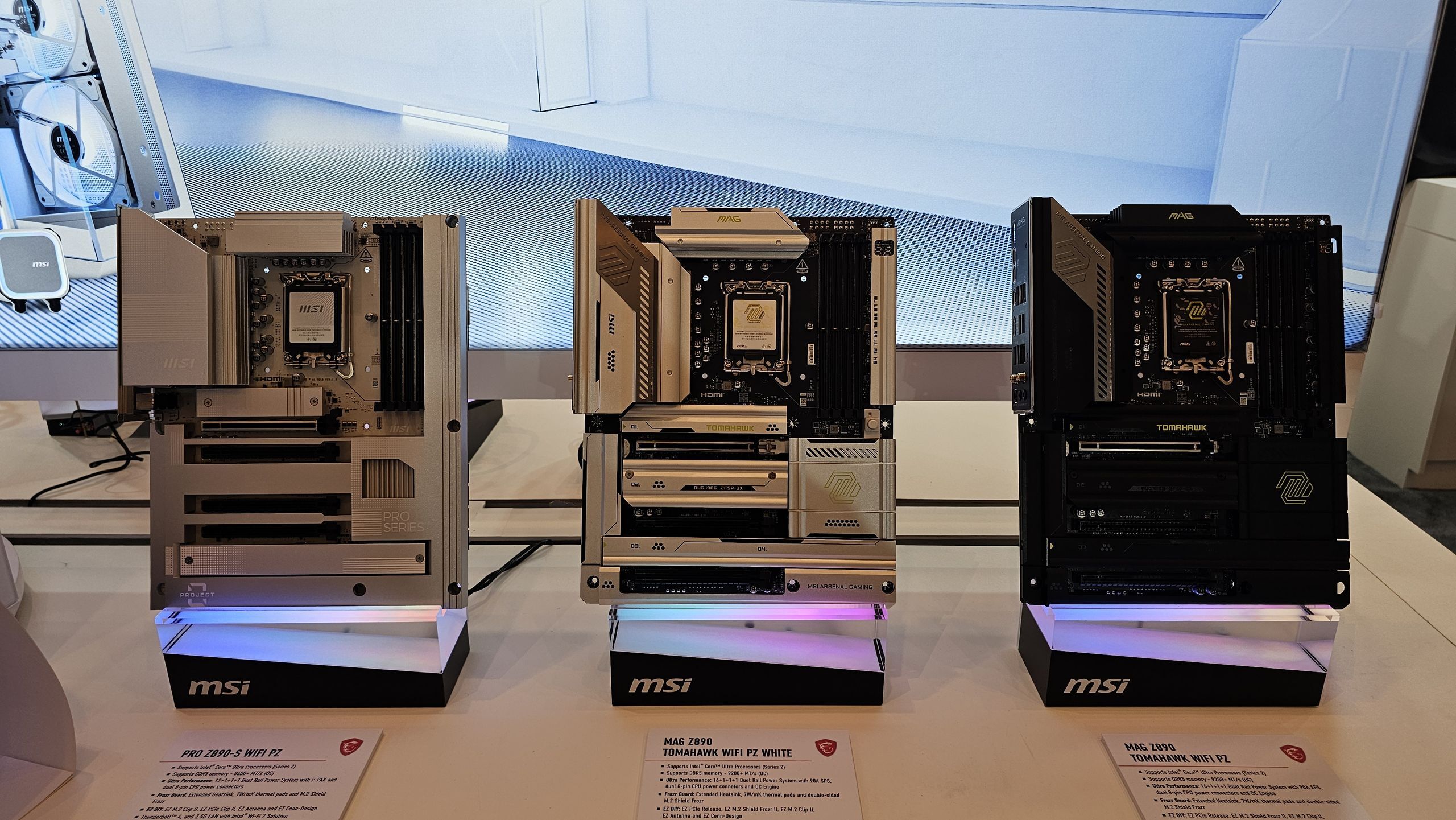
It’s actually the other way around, prices should go down as mobo sales are low.
“Should” 😆
Yes normally speaking that would be logical. But today nobody is producing any products anymore for consumers.
Hack even one of the 3 chip products, Micron, just said fk consumers. We only focus on businesses (Ai datacenters). Since we can earn more that way. In the short term at least.
Tell me, what other market will pick up those gamer oriented motherboards?
They’ll just stop making them and shift toward parts that sell with a x100 markup fueled by batshit insane speculation. They’ll become a niche product in high demand thus prices will ultimately rise.
No, sales are going down because prices are going up. If you have a fixed inventory and sales go down, you lower prices to increase demand and move the product and keep your revenue stream. But in this case, they’re moving supply away from this market (consumer hardware) to a different market (AI data centers). So the supply is going down with (previously) fixed demand, driving prices up. The “motherboard sales are collapsing” headline comes from looking at the consumer hardware slice of the computing hardware market. If you look at total sales from each manufacturer, so include the AI data center sales in the analysis, they’re not having any trouble moving inventory nor keeping up their revenue stream overall.
There’s no components available to plug into a new motherboard. Demand has dropped.
Unlike DRAM, which is quite universal, most manufacturers of motherboards specialise in a specific direction. Asus, MSI, etc., hell, most of the consumer market players, have specialised in gaming oriented motherboards.
Do you know what a server motherboard doesn’t need?
what they need is:
the two markets simply don’t mesh. Asus losing 25-30% of its market practically overnight because people can’t afford to buy RAM, SSD, etc. does not negate the fact they need sales to survive, so what they’ll do is drop prices, lowering their profit margin, just so they’re not sitting on unsellable stock.