In the US there is a “right of publicity” that is based on state law, typically for commercial uses. There are also some laws depending on locality criminalizing deepfakes for revenge porn. Some countries use copyright law to the same end.
The “doppelganger problem” is really why this is not an easy issue to answer. If someone gets exclusive rights to a specific face, who is to say another person naturally having a similar face isn’t being wronged? How close is too close? What about similar names? And should that really be protected after death (which copyright and trademark and some publicity laws allow)?
You can be as close as you want, as long as you don’t exploit it or cause confusion. For example, Apple Computer and Apple Records coexisted for decades because they operated in separate industries. It only became a problem when Apple Computer started Apple Music.
Its gonna have to be case specific. -which as you said, is why it’s not so easy to make law.
If a Taylor Swift doppelganger started claiming to be Taylor Swift and making a scene, then sure the real one should be able to shut that down.
If the doppelganger started her own music career with her own name and music, then Taylor Swift can’t do shit.
If the doppelganger is somehow artificially created (computer generated or elaborate makeup/costume) than it does not have the same rights, and can be shutdown (unless its falls into the parody category, but even then it should be obviously not real).
The “doppelganger problem” is really why this is not an easy issue to answer. If someone gets exclusive rights to a specific face, who is to say another person naturally having a similar face isn’t being wronged? How close is too close?
At what point is Natalie Portman allowed to sue Keira Knightley?
The “doppelganger problem” is really why this is not an easy issue to answer
I wouldn’t agree. Sure, Taylor Swift would own her likeness. But so would her doppleganger.
This could be done on a nonsensical basis such as first-dibs or whose ever is the most well-known, but the only logical option is that both are protected.
So if our Taylor doppleganger goes around just looking and existing with an appearance closely matching Taylor’s, she’s protected under her own likeness.
If she goes on to claim of being Taylor Swift and swindles people, that’s a seperate issue dealt with impersonation statutes.
Even cosplaying as they did with Dolly Parton would be protected under free speech/expression.
Since these protections already exist, a right to likeness only really stops the deepfakes, which is exactly the point.


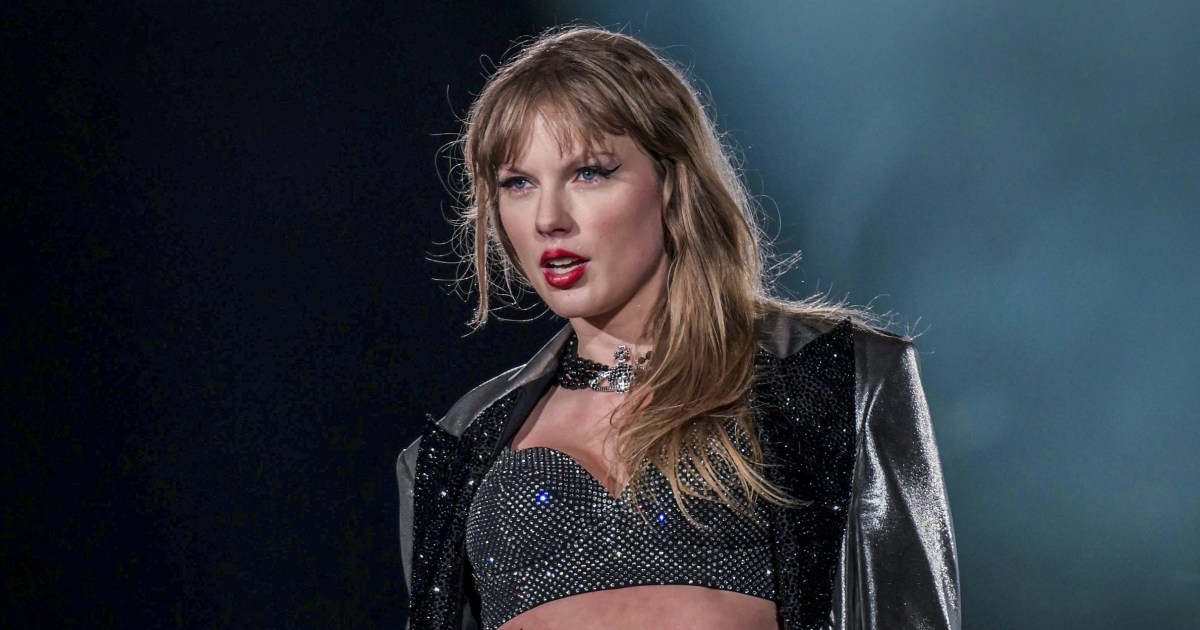
In the US there is a “right of publicity” that is based on state law, typically for commercial uses. There are also some laws depending on locality criminalizing deepfakes for revenge porn. Some countries use copyright law to the same end.
The “doppelganger problem” is really why this is not an easy issue to answer. If someone gets exclusive rights to a specific face, who is to say another person naturally having a similar face isn’t being wronged? How close is too close? What about similar names? And should that really be protected after death (which copyright and trademark and some publicity laws allow)?
You can be as close as you want, as long as you don’t exploit it or cause confusion. For example, Apple Computer and Apple Records coexisted for decades because they operated in separate industries. It only became a problem when Apple Computer started Apple Music.
Do we need a spoiler alert for who won that battle?
It was Apple.
Its gonna have to be case specific. -which as you said, is why it’s not so easy to make law.
If a Taylor Swift doppelganger started claiming to be Taylor Swift and making a scene, then sure the real one should be able to shut that down.
If the doppelganger started her own music career with her own name and music, then Taylor Swift can’t do shit.
If the doppelganger is somehow artificially created (computer generated or elaborate makeup/costume) than it does not have the same rights, and can be shutdown (unless its falls into the parody category, but even then it should be obviously not real).
At what point is Natalie Portman allowed to sue Keira Knightley?
I wouldn’t agree. Sure, Taylor Swift would own her likeness. But so would her doppleganger.
This could be done on a nonsensical basis such as first-dibs or whose ever is the most well-known, but the only logical option is that both are protected.
So if our Taylor doppleganger goes around just looking and existing with an appearance closely matching Taylor’s, she’s protected under her own likeness.
If she goes on to claim of being Taylor Swift and swindles people, that’s a seperate issue dealt with impersonation statutes.
Even cosplaying as they did with Dolly Parton would be protected under free speech/expression.
Since these protections already exist, a right to likeness only really stops the deepfakes, which is exactly the point.