That’s fair. That’s honestly the optimal use case. But with how fast technology tends to advance I suspect this will get marketed as “everyone should get one and you’re basically Amish if you don’t” before you know it (even if China’s socialist government has regulations on how companies can market stuff, we Westerners don’t and it’s a matter of time until some Western techbro company contracts this into the next gadget people will judge you for not having.)
People already judge me for being in the tech industry and refusing to use whatever latest app/service that’s going viral because I know how easily untrusted software can fuck you over.
Assistive technology as a back door to normalizing use for able bodied people is a pretty common playbook at this point. AirPods use a ton of tech pioneered in the hearing aid, for example, and a lot of consumers were put off by them initially, but 10 years later they’ve become incredibly normalized.
So as much as I agree with you that people with paralysis are an optimal case, it’s good to be careful about allowing public perception to slowly morph over time
There are hearing aids that look identical to wireless earbuds. I sometimes wonder if people using them get judged because everyone assumes they’re talking to them with earbuds in.


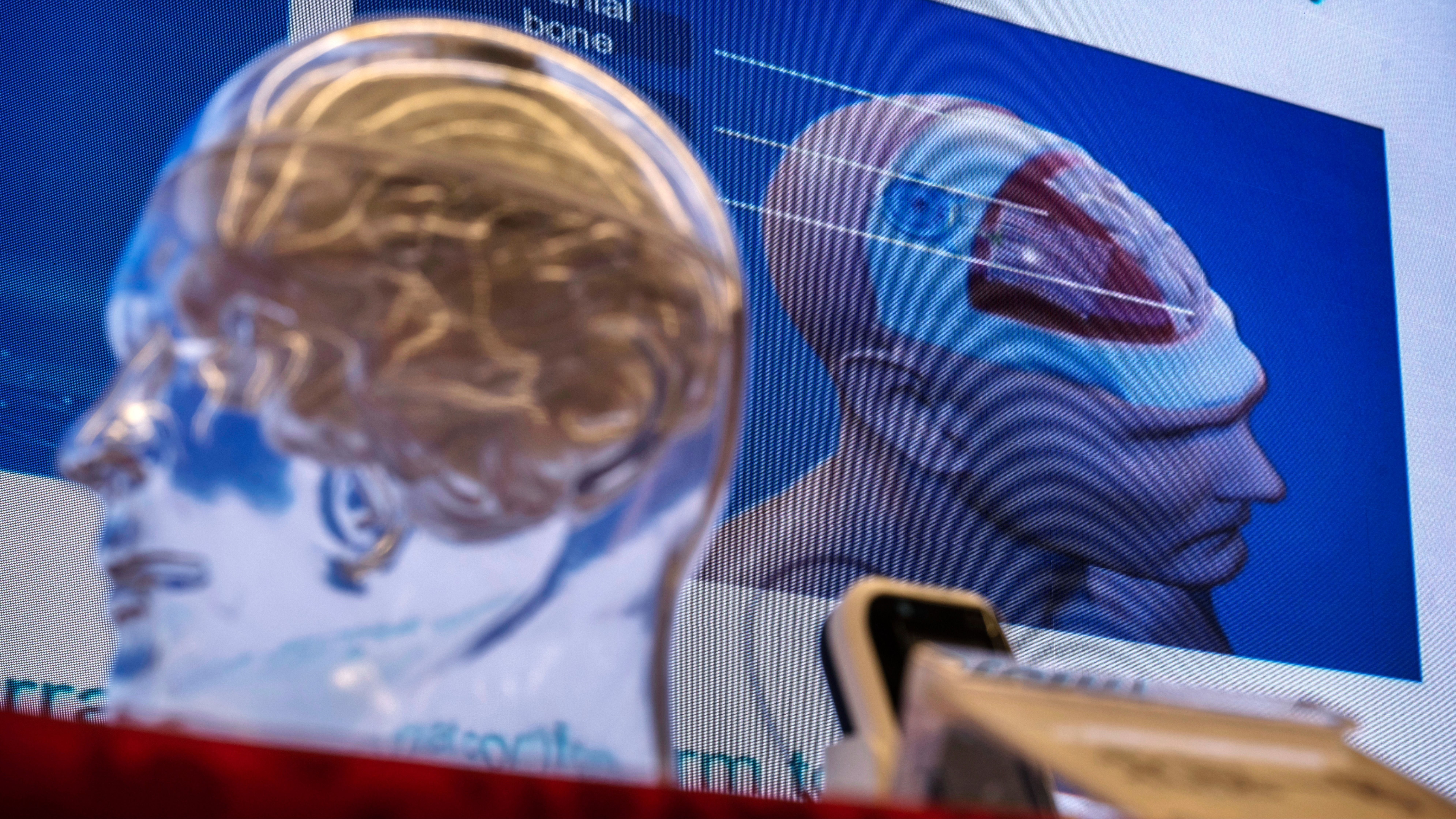
That’s fair. That’s honestly the optimal use case. But with how fast technology tends to advance I suspect this will get marketed as “everyone should get one and you’re basically Amish if you don’t” before you know it (even if China’s socialist government has regulations on how companies can market stuff, we Westerners don’t and it’s a matter of time until some Western techbro company contracts this into the next gadget people will judge you for not having.)
People already judge me for being in the tech industry and refusing to use whatever latest app/service that’s going viral because I know how easily untrusted software can fuck you over.
Assistive technology as a back door to normalizing use for able bodied people is a pretty common playbook at this point. AirPods use a ton of tech pioneered in the hearing aid, for example, and a lot of consumers were put off by them initially, but 10 years later they’ve become incredibly normalized.
So as much as I agree with you that people with paralysis are an optimal case, it’s good to be careful about allowing public perception to slowly morph over time
There are hearing aids that look identical to wireless earbuds. I sometimes wonder if people using them get judged because everyone assumes they’re talking to them with earbuds in.
Yeah, I expect it’s going to be rolled out a lot more sanely in China than it will be in the west.