

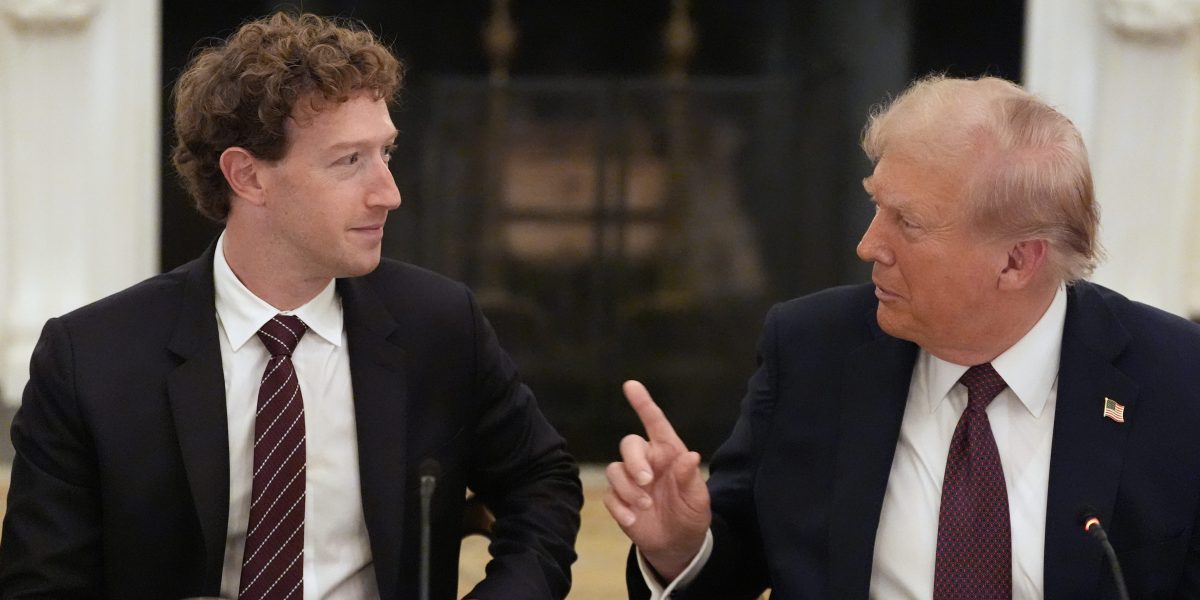
The policy change follows years of Meta and its chief executive Mark Zuckerberg’s pivot of political convenience toward President Donald Trump and his base. Following Trump’s second electoral victory, Meta quickly changed its speech rules to allow for anti-transgender slurs and dehumanization of immigrants, The Intercept previously reported, aligning the company with longtime MAGA culture war grievances.
Asked about the new restrictions on the word “antifa,” Meta spokesperson Erica Sackin pointed to a March transparency report that noted the company would “remove QAnon and Antifa content when combined with content-level threat signals.” The report does not explain what those signals are. Meta did not respond when asked if the company had discussed its antifa speech rules with the Trump administration.
Meta largely outsources the enforcement of its Community Standards rules to low-paid contractors whose interpretation and application of the policies can vary. The company’s automated, algorithmic content moderation systems are also famously glitchy. This combination can result in erratic censorship, particularly when political ideology is classified as violent or terroristic.
tl;dr this new policy is dumb and bad. References to specific things like Antifa make no logical sense as a grounds for censorship, because there were already reasonable rules in place to handle actual problems.
It’s difficult to believe any intellectual discussion would happen on Facebook, but this rule further cements the suppression of it.
deleted by creator